Monthly Archives: June 2012

The Gift of Love – John Lennon


We’ve got this gift of Love, but Love is like a precious plant. You can’t just accept it and leave it in the cupboard or just think it’s going to get on by itself. You’ve got to keep watering it. You’ve got to really look after it and nurture it.

~John Lennon

Paradox in Nature

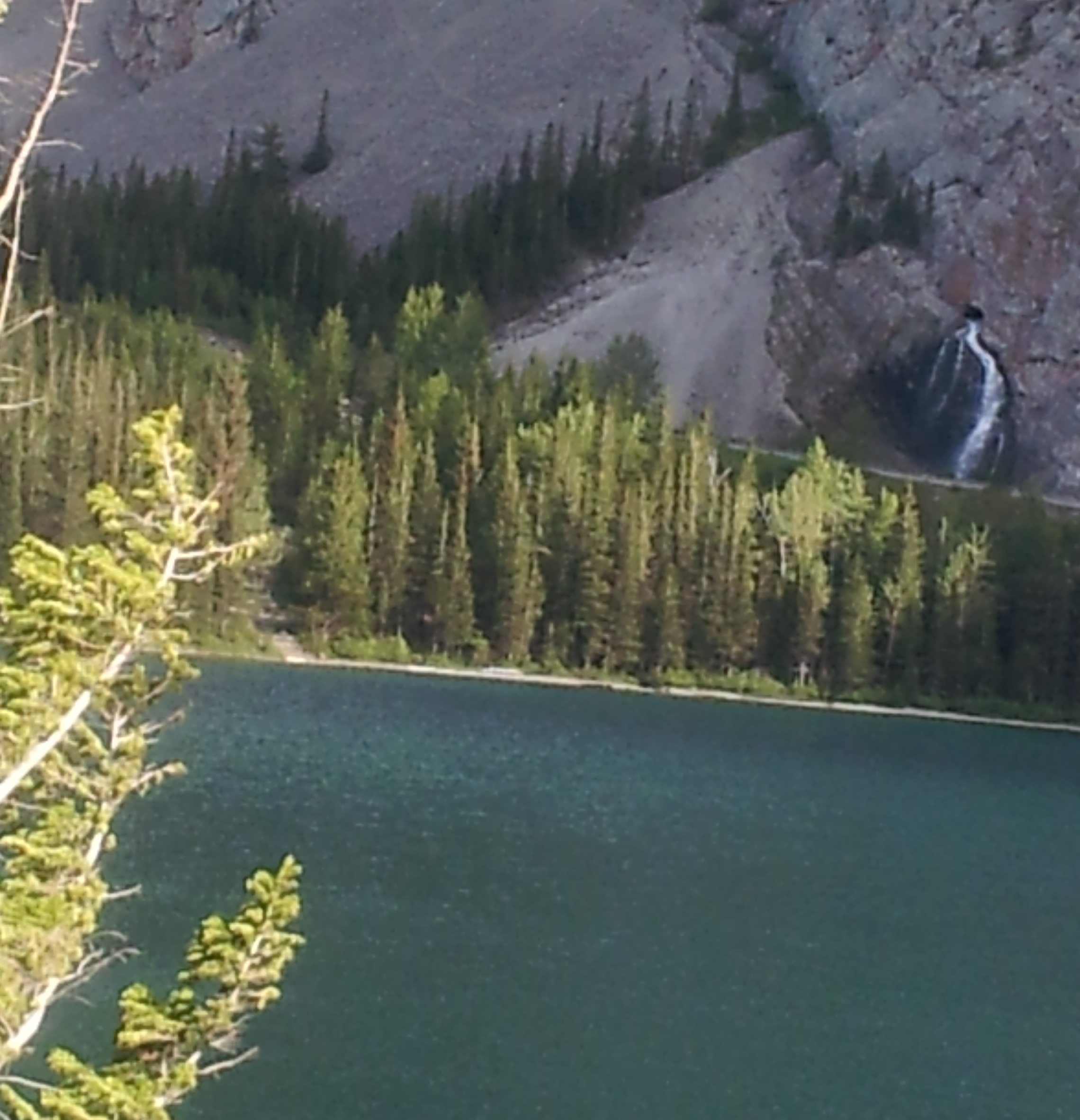
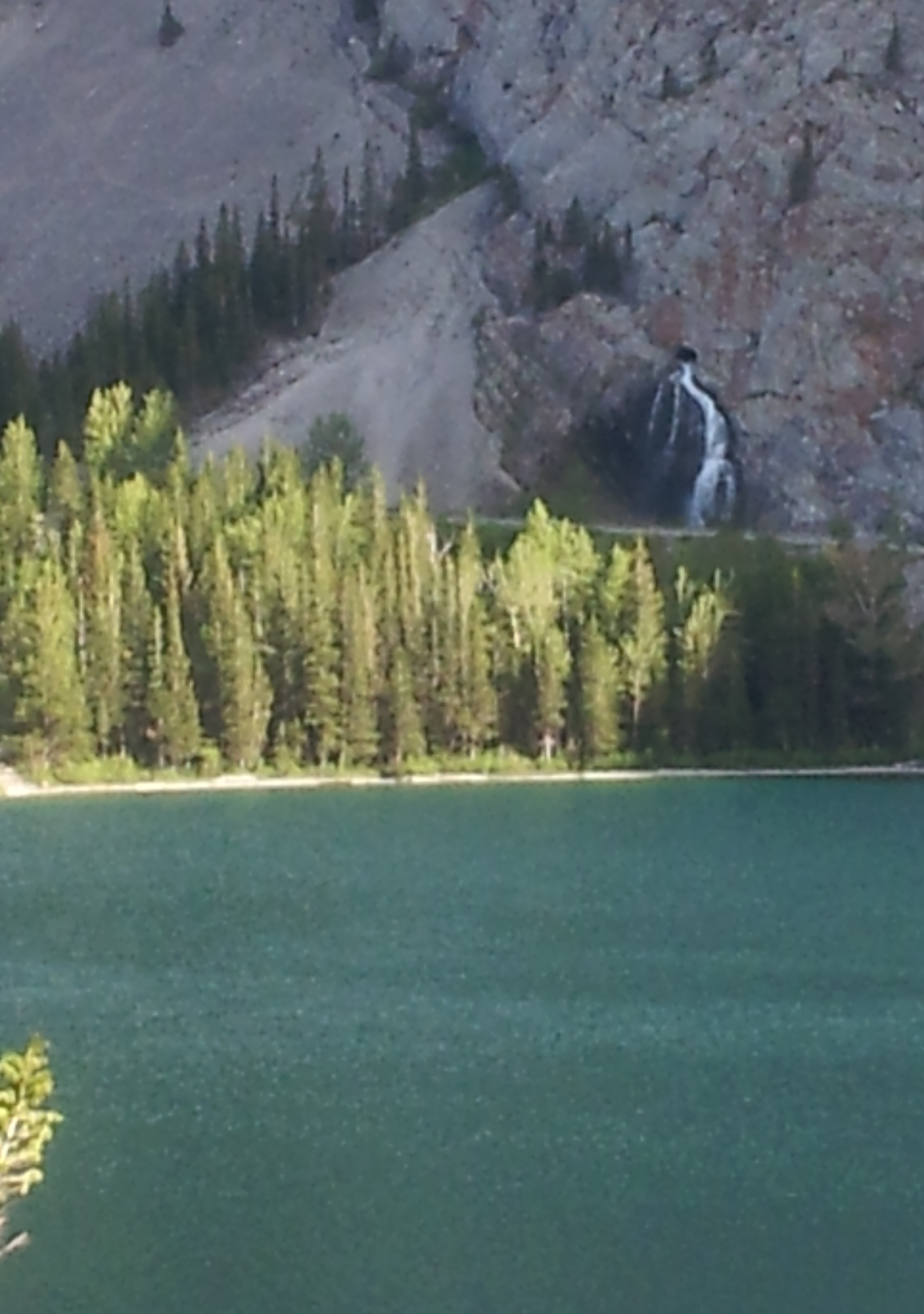
I found these picture of a small lake in the Crowsnest Pass when I was looking at the pictures I posted at A Time to Listen. Nature is a spectacular and paradoxical part of creation and I hope this is revealed in the following.

Green, aqua, granite

Nature draws from her palette

Drawing me to her.

Water cascading

Suddenly appears out of rock

Disappears again.

Calmness and chaos

Nature speaks in paradox

Harmony emerges.

This is two amazing pictures and wonderful poetry to accompany. Thank you.

A Time to Listen – Visually and Poetry

Kathy and I travel. We spend time during the summer touring Alberta, British Columbia, Saskatchewan, and adjoining American states. This summer we are revisiting Waterton Lakes National Park as part of my rehab. We travel through this area regularly and it brings back great memories.

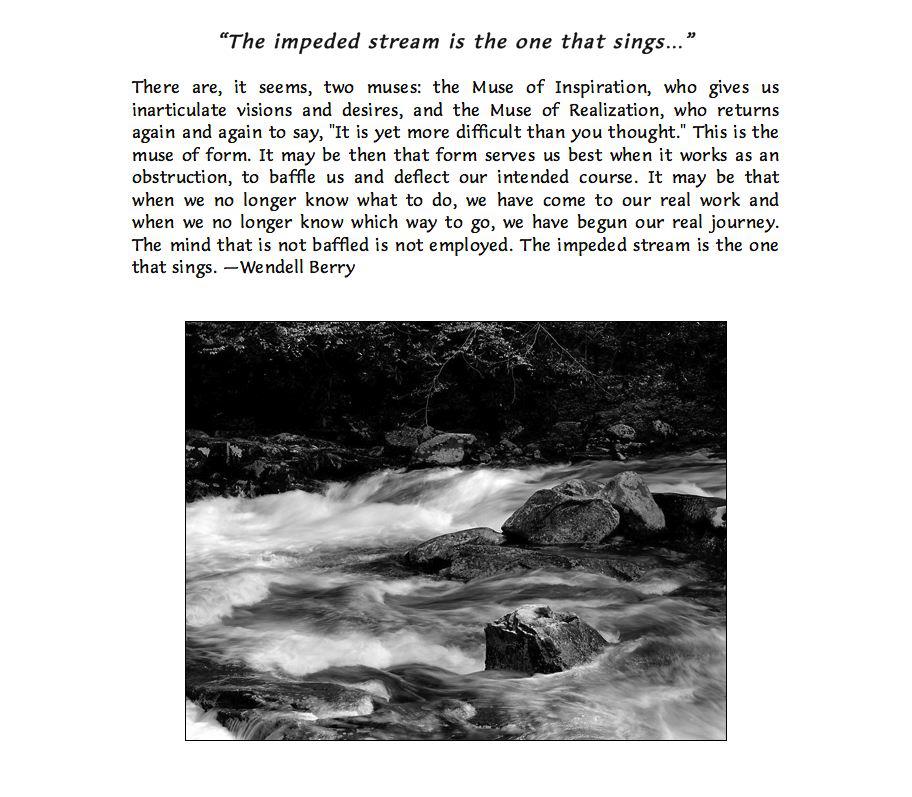
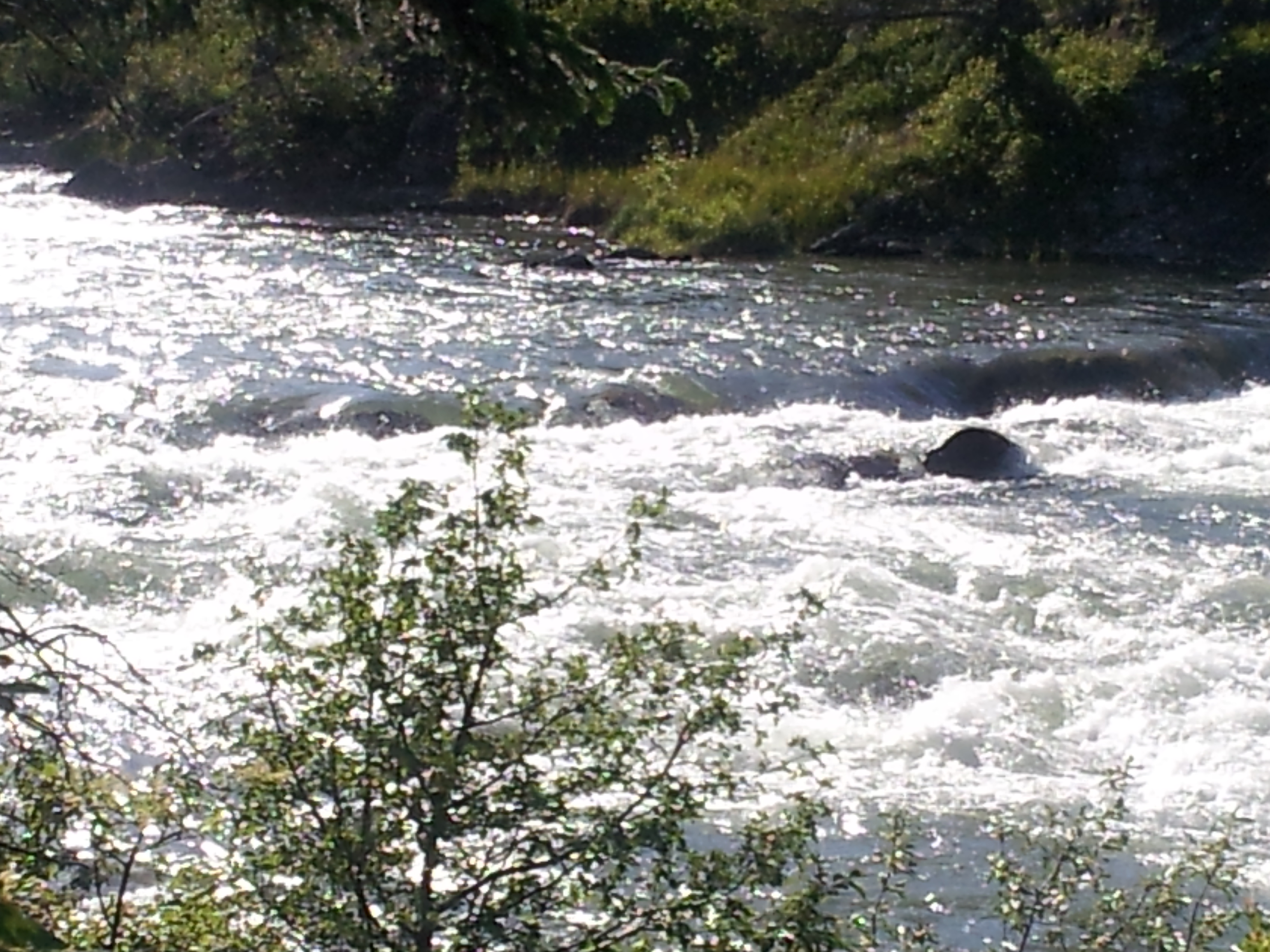
On one trip, we stopped at a provincial park just above Lundbreck Falls. Recently, I went through pictures of the Crowsnest River downstream and it reminded of what I notice and don’t notice in life. Wendell Berry wrote a beautiful piece: The Impeded Stream is the One that Sings. I realized I  heard the river before I saw it. I recalled the life around the river: cottonwood fluff flying, flowering wild rose, insects pollinating, and a musky smell perhaps of a bear recently by. The river is a living instrument sharing a song to others forming a web of life.

I read Wendell Berry’s words while reliving the picture and was inspired to write a Haiku.

Observe life’s current

Pausing, listening, caring

Present with my self.

Autobiography in Five Short Chapters by Portia Nelson

A medical practitioner I visit once a week to try resolve some issues with chronic, physical pain was the source of this wonderful, insightful poem. Whether physical, emotional, spiritual, or intellectual, I fall into habits and absolve my self of responsibility f or my actions.
Autobiography in Five Short Chapters
Chapter 1
I walk down the street.
There is a deep hole in the sidewalk.
I fall in.
I am lost … I am helpless.
It isn’t my fault.
It takes forever to find a way out.
Chapter 2
I walk down the same street.
There is a deep hole in the sidewalk.
I pretend I don’t see it.
I fall in again.
I can’t believe I am in the same place.
But it isn’t my fault.
It still takes a long time to get out.
Chapter 3
I walk down the same street.
There is a deep hole in the sidewalk.
I see it is there.
I still fall in … it’s a habit.
My eyes are open.
I know where I am.
It is my fault.
I get out immediately.
Chapter 4
I walk down the same street.
There is a deep hole in the sidewalk.
I walk around it.
Chapter 5
I walk down another street.
 
~ Portia Nelson ~

This post provides excellent advice in a short and understandable manner. Great wisdom takes few words.

compassioninpolitics's avatarCompassion in Politics: Christian Social Entrepreneurship, Education Innovation, & Base of the Pyramid/BOP Solutions

Determinists take an outward appearance of reality & based on a reductionist understanding of how the world works. However, this misses a larger picture. Here are 3 commonly agreed aspects of reality which they warp or fundamentally misunderstand–which are at the basis of their argument.

1) Life is a learning experience
2) Life is additive–with one activity building on the next
3) Life has ripple effects. Life has consequences

They take a dynamic and vibrant process, which has some laws and principles guiding it–but a) overlook the above b) overdetermine the role in which the aspects they describe underlie reality or its appearances.

Do you have other ideas about the shortcomings or assumptions of determinism?

View original post

Human Being Instead of Human Doing

Many days I wonder about what other are doing, what causes them to do it, and what I can do to control their behaviours. I used the word do a lot in that first sentence. When I wonder that way, I become angry, frustrated, and hurt. I become a human doing instead of a human being. Being present and living each moment mindfully is part of this being.

Some words and an image to help us be today. Happy summer solstice.

The art of life isn’t controlling what happens, which is impossible; it’s using what happens.

~Gloria Steinem

Who else would like to be a flower? Thank you to lijuin for an inspiring thought.

lijiun's avatarlijiun

Imagine if we see a heap of garbage, it’s so stinky & smelly.

What we are going to do?

Find a way to get rid of it, right?

Do you know what is the expectation from Buddha towards His Disciples?

To be a flower that can grow in the heap of garbage, use the garbage as fertilizer and shine out the environment without changing the nature of garbage.

Turn the garbage to be a garden full of flower.

Are you the shinning flower?

Normally, human nature hope to change others or the environment but not OURSELVES.

Based on the Buddha teaching, we need to look inward for purification before we are asking others to make any changes in life.

Be the flower that can evolve from the garbage!

People will notice once you’ve transform, showing the wholesome characters-compassion, gratitude, generosity, selfless, metta, wisdom and others. 

Let’s show a life example…

View original post 24 more words

Teachers as Storytellers

Think of the people we call teachers, not just in classrooms but in every facet of our lives. A quality they share is storytelling. They connect with our hearts and minds. We laugh, cry, yell, and carry on in every imaginable way with them. We remember them not because of what they taught us, but what they revealed about themselves and helped us discover about our self.

The best teachers are the best storytellers. We learn in the form of stories.

~Frank Smith

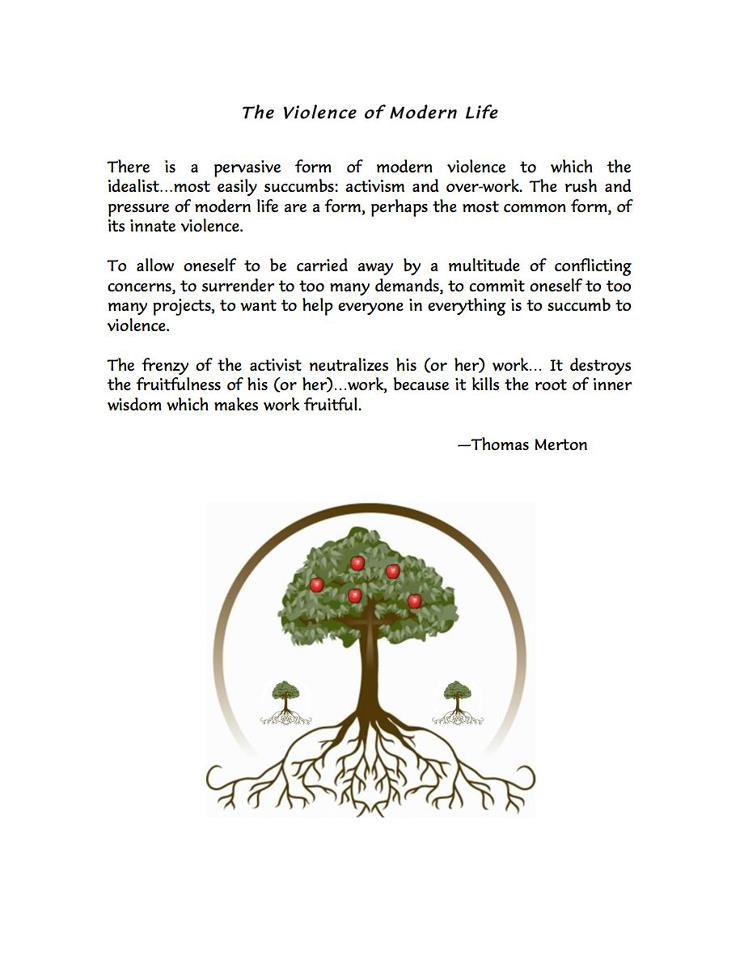
The Violence of Modern Life

Thomas Merton is one of my favourite authors and spiritual thinkers. He offered a radical definition of violence. This sounds like the opposite of multi-tasking, single-tasking. I hope I can do better as I move forward and take time to listen to the inner teacher and its wisdom.

Parker Palmer shared this with those of us who follow him on Facebook.