This fell into my world yesterday and I thought it might be a good share. It is certainly something to reflect on as we begin each day in our various roles of learning and teaching.
This fell into my world yesterday and I thought it might be a good share. It is certainly something to reflect on as we begin each day in our various roles of learning and teaching.
I arrived home, tired, and feeling uninspired, unsure what I would write. Several ideas are running around, but they required more percolation time. I broke from routine and checked Facebook first A colleague from the Circle of Trust retreat in Seattle shared an inspiring, heart warming article: “A teacher, a student and a 39-year-long lesson in forgiveness.”
One line that resonated was “the beauty of an apology is that everyone wins because it reveals not only who we are, but who we hope we are.” An apology is transformational rather than transactional. It takes the form of acts and words offered with compassion, care, and integrity.
Please take a moment to read.
When I was in Seattle, several people mentioned I looked like Jerry Garcia. This was a first and might be a Canadian thing. Does Jerry Garcia and the Grateful Dead have the following here as in the US. I told my students about the comparison and within minutes they had gone on the Internet and found images of Jerry Garcia to compare. Today, I played some Grateful Dead and students watched videos. I mentioned, “I don’t see the similarity,” but several students disagreed.
I will leave it to you to offer a definitive answer. Here is an image of Jerry Garcia and the other of me. The Garcia image came from a Forbes article comparing the leadership of Steve Jobs and Jerry Garcia and the article is a good read.
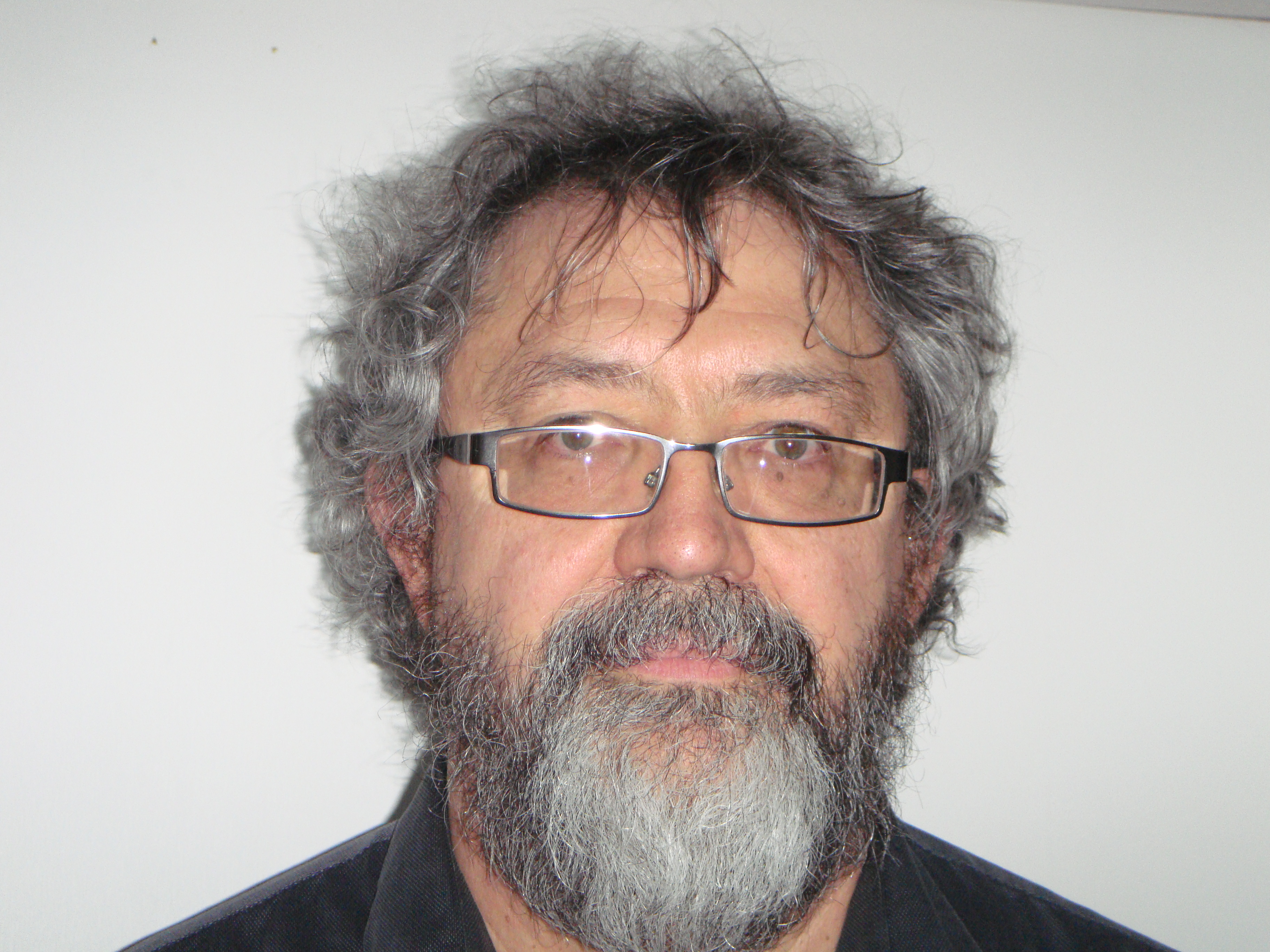
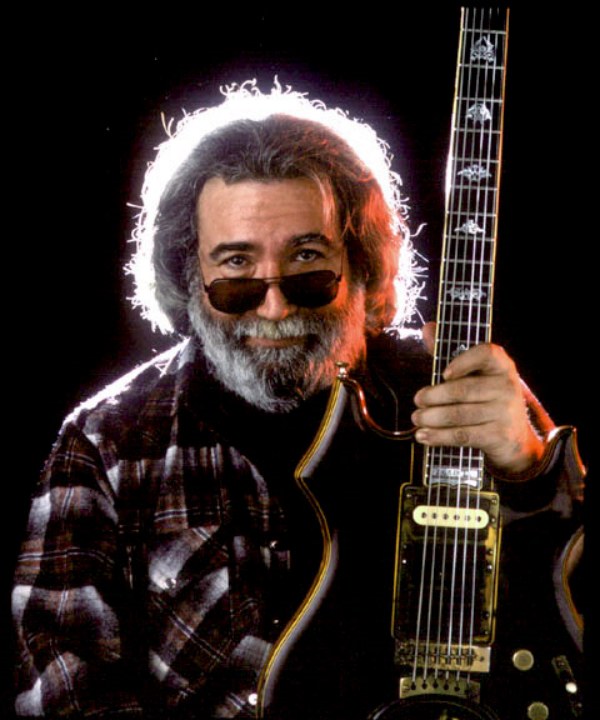
Personally, I don’t see it.
I discovered quickly teaching was about learning more than it was about teaching. Teaching and learning form a paradox. I taught a Grade 4 class for the first four months of my teaching career. What did I learn in those four months?
Students want adults to care about them. This came about in an odd fashion. I wanted students to learn and insisted they complete homework. One particular student rarely did. The result was he stayed after school for a 1/2 hour for help. It only took a few minutes and he would ask for help. He would stand by the desk where he remained for the duration. Once there, he rarely needed my help. What he seemed to need was the feeling an adult cared enough to take time, help him, and, more importantly, be there specifically for him.
Students want adults to know them and eagerly share their stories. When I told them I coached and played various sports, they seized the opportunity and recounted their exploits and activities. I listened during lunch, at recess on the playground, and during class while they shared about their lives. I learned about their families, vacations, and pets. Part of caring was letting them tell me their stories knowing they were heard.
Students wanted to know who I was. My father-in-law passed away that year after a long illness. When I knew I would be away, I sat down with the students, told them about my loss, and I would be away, but I was coming back. The last point was important to them. I was someone important to them, they wanted to know I was coming back, and that I was OK. They wanted to care about adults too, and my story helped made that possible.
Students want to have fun. One day I noticed two large rocks on a classroom counter and asked what they were doing there. A student informed me they were for the rocks and minerals unit in the Science. I returned to my instruction, but after a few minutes, I paused and asked, “Has anyone seen the Rolling Stones?” No one had, but I insisted I had and could produce them live at that very moment. The students doubted me. I picked up the rocks, rolled them across the floor, and proudly proclaimed, “There are the Rolling Stones!” Every time an adult came in the room, the students insisted I produce the Rolling Stones for our visitors. They loved coming to school. It was fun.
I wonder how often teachers sit down and recall the ways children taught them? I try now and then. I come away feeling good about what we can learn from the ones we teach.
A colleague from Gonzaga sent me this video and fit the World Cafe conversations about learning, the best environment for learning to occur within, and the changing face of education in the 21st Century.
The video is Heart of a Teacher. I apologize for using a link and not the video upload, but I did not have the latter uploaded yet and wanted to get this out there.
I need to add this is another first; there are three postings today.
Community has been a recurring theme throughout the World Café conversations and events, with many descriptors alluding to communal practices and relationships needed for learning to happen. Reciprocity, connection, supportive, affirmation, and other words expressing interactions suggest community. The summary posters of the March 17, 2012 World Café Event confirmed this recurring theme of community and the table posters, to be posted, also bear this out. The theme of community is important not just in learning, but in life itself. Without community, can life and learning be as meaningful?
Parker Palmer recently shared in a Facebook posting: “Community does not mean living face-to-face with others—it means never losing the awareness that we are connected with each other…” This link is to a short video of Dr. Palmer discussing the Myth of the Individual.
The servant-leadership conference I attended in Portland reinforced that, although community continually evolves, as a value it can remain intact. Here are some examples.
Professor Shann Ferch, from Gonzaga University, spoke about the “beloved community” that the late Martin Luther King so eloquently referred to. It is the necessity to see each other, including oppressors and those who have done harm to us, as human. Dr. Ferch also quoted Viktor Frankl: “We are made to turn outward, toward another human being to whom we can love and give ourselves. … Only when in service of another does a person truly know his or her humanity.”
We easily dismiss these references to community as the extreme and needed actions and words of those in different settings. After all, Dr. King led the Civil Rights movement in its halcyon days and paid the ultimate sacrifice. Dr. Frankl survived the atrocities of concentration camps during World War II. What do their experiences have to do with simply getting through the day?
Kirk Young, a colleague from Gonzaga, elaborated on what could be understood as community in the form of a value. The communities we choose to belong to share one common ingredient: intimacy. Ferdinand Tonnies, a German sociologist, used the word gemeinschaft and described this form of community as “a tighter and more cohesive social entity. [It is] exemplified in family and kinship” suggesting when humans gather in community, intimate experiences can be shared. Members share the good, the bad, and grow together towards common purposes, thus are mission driven. Values and mission serve as glue for community.
John Dear, a Jesuit priest, proposed in The Rebel Jesus, a second, mostly unnoticed miracle occurred during the Sermon on the Mount: the forming of community. Community allowed people to see the human nature of each other as Jesus instructed those closest to him to organize the large group (some believe well over 5,000 people) into small, more intimate groupings of about 50 people each. Father Dear suggested that in these small communities, people interacted differently and shared as they made connections with those now close to them. People were no longer strangers; whereas moments before they were simply part of a large and increasingly hungry throng. In contemporary parlance, they were statistics.
By witnessing the humanity in each other, we are better able to form community and share intimacy without fear. Our humanity is the one thing we can claim to share with others and in this, we find purpose to gather and form community around the universality of human values.


 ivonprefontaine
 Teacher as Transformer