Tag Archives: teacher as transformer

Oki from Crowsnest Pass

Oki is the Niitsítapi word that approximates hello. It recognizes the humanness of each other in greeting and is like Ubuntu used in several African languages.

Yesterday, we headed back to the Crowsnest Pass and revisited the Frank Slide Interpretive Centre. We were there Thursday, but soggy weather and low clouds prevented a hike through the slide area and good picture-taking of Turtle Mountain. The weather was better and we joined a group tour led by a geologist, Dr. Wilhelm, who brought the hike to life. We hiked for almost 2.5 hours instead of the hour the hike normally takes

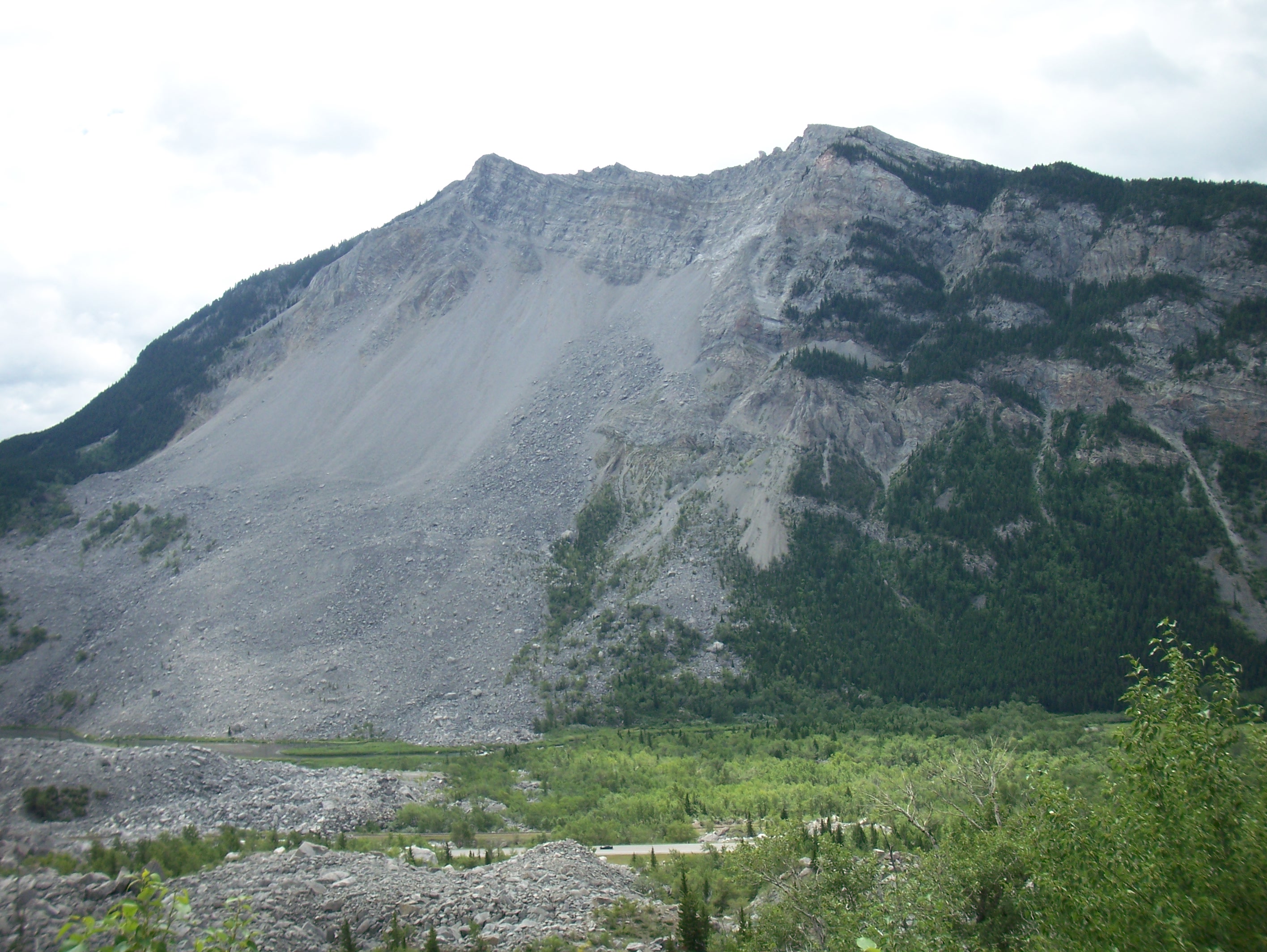
This is Turtle Mountain’s north face where the 1903 slide occurred. The resulting slide is the deadliest rock slide in Canadian history with over 82 million tonnes of rock burying part of the town of Frank and killing over 100 people.  The mountain is still unstable and the question is not if there will be another slide but when.
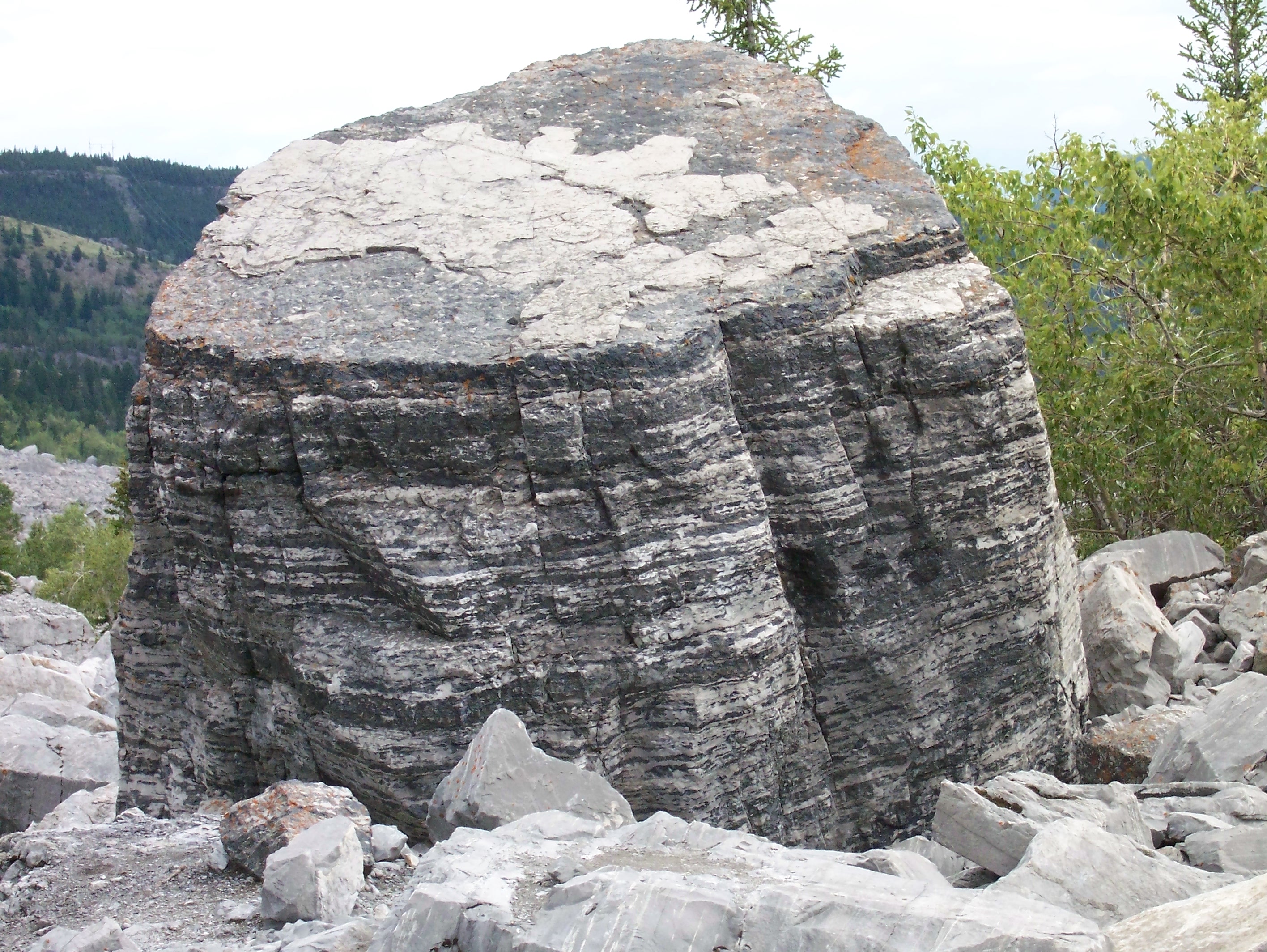
We saw this rock during the 1.5 km walk through the slide area. It is about the size of the cab of semi-truck. Most of the rock in the area is limestone, but there is also granite, feldspar, and quartz.
We had a great view to the west through the pass part way through the walk. This is Mount Tecumseh.
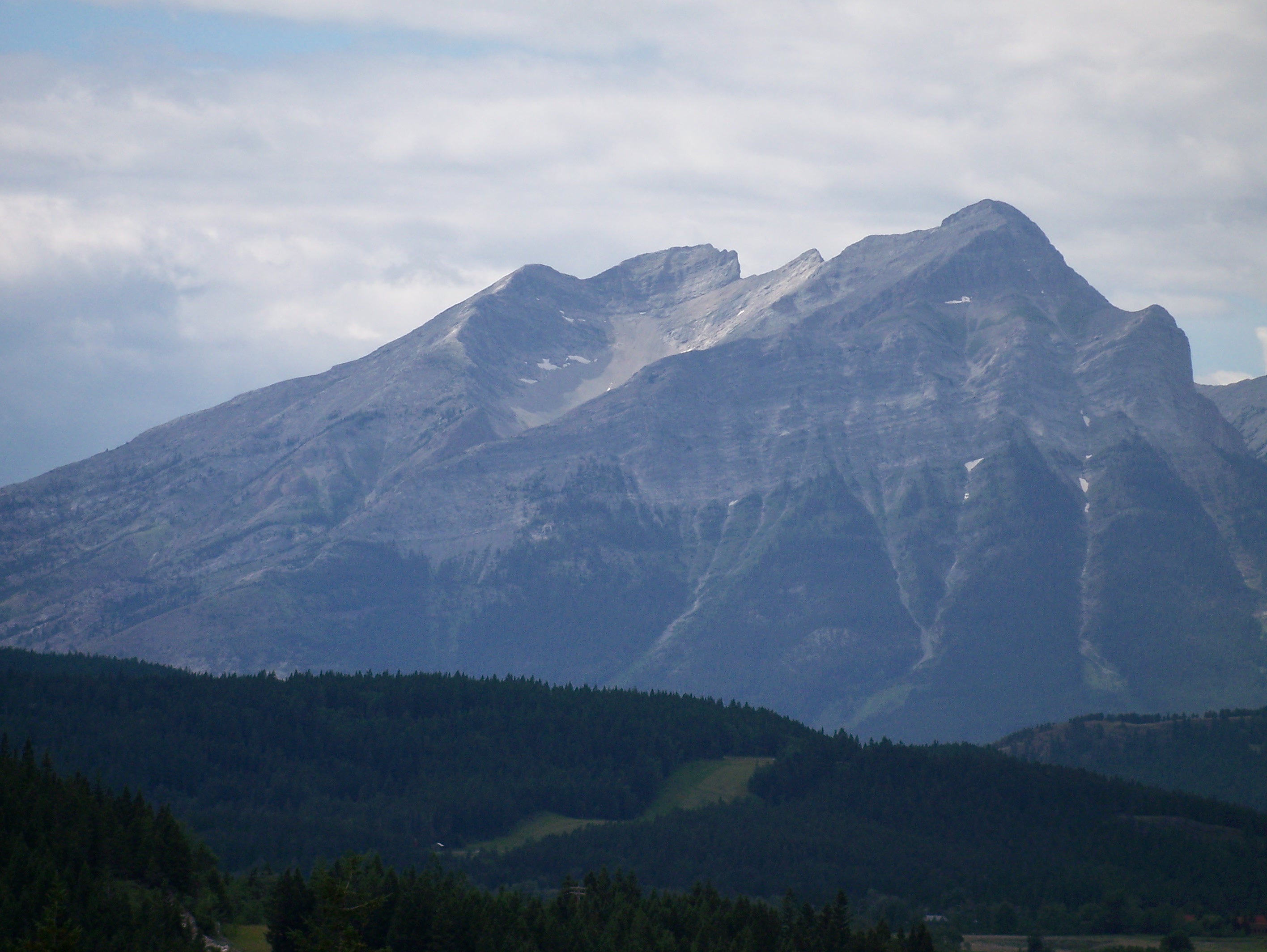
This picture is Crowsnest Mountain as you look west through the pass.
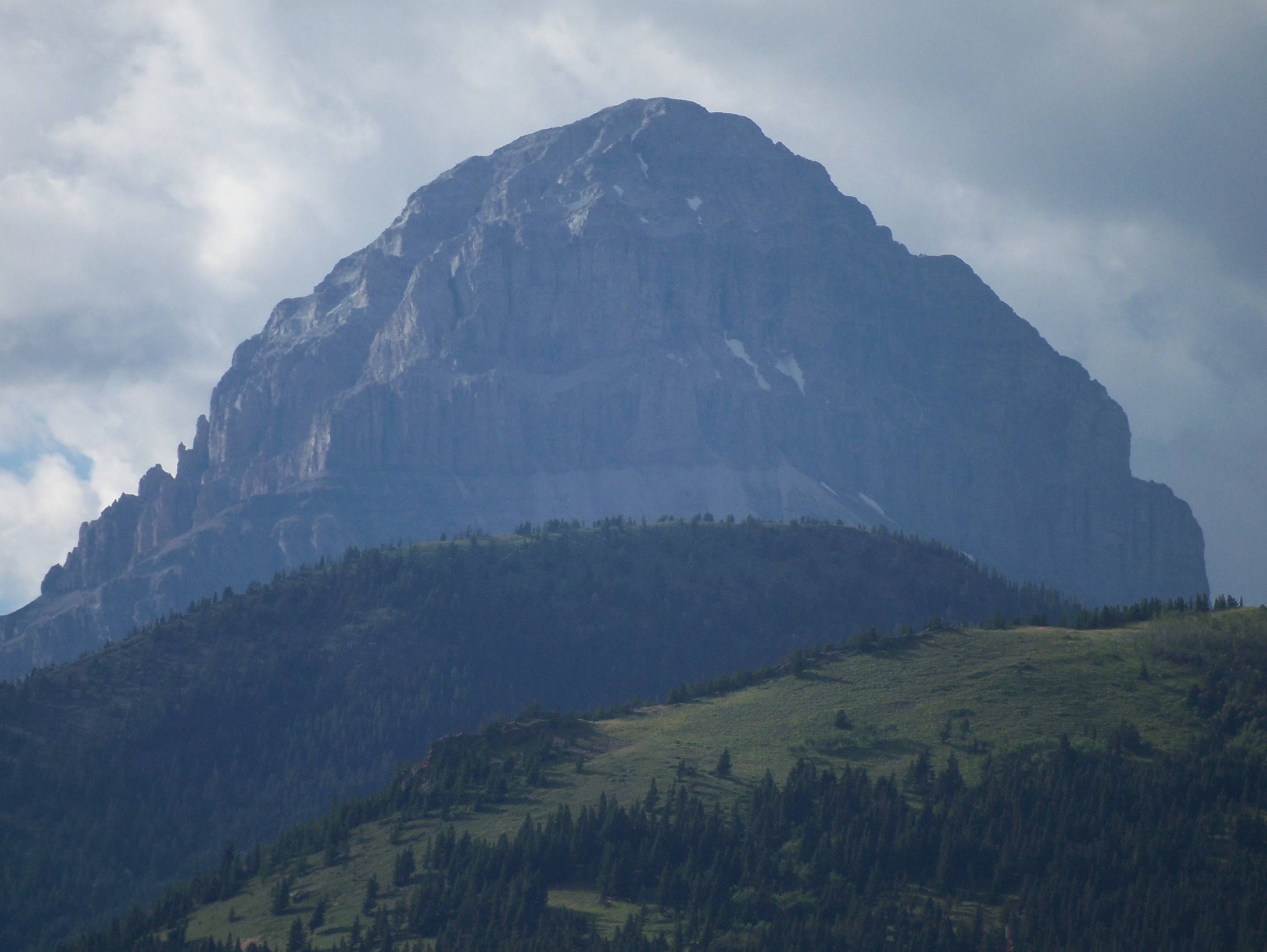
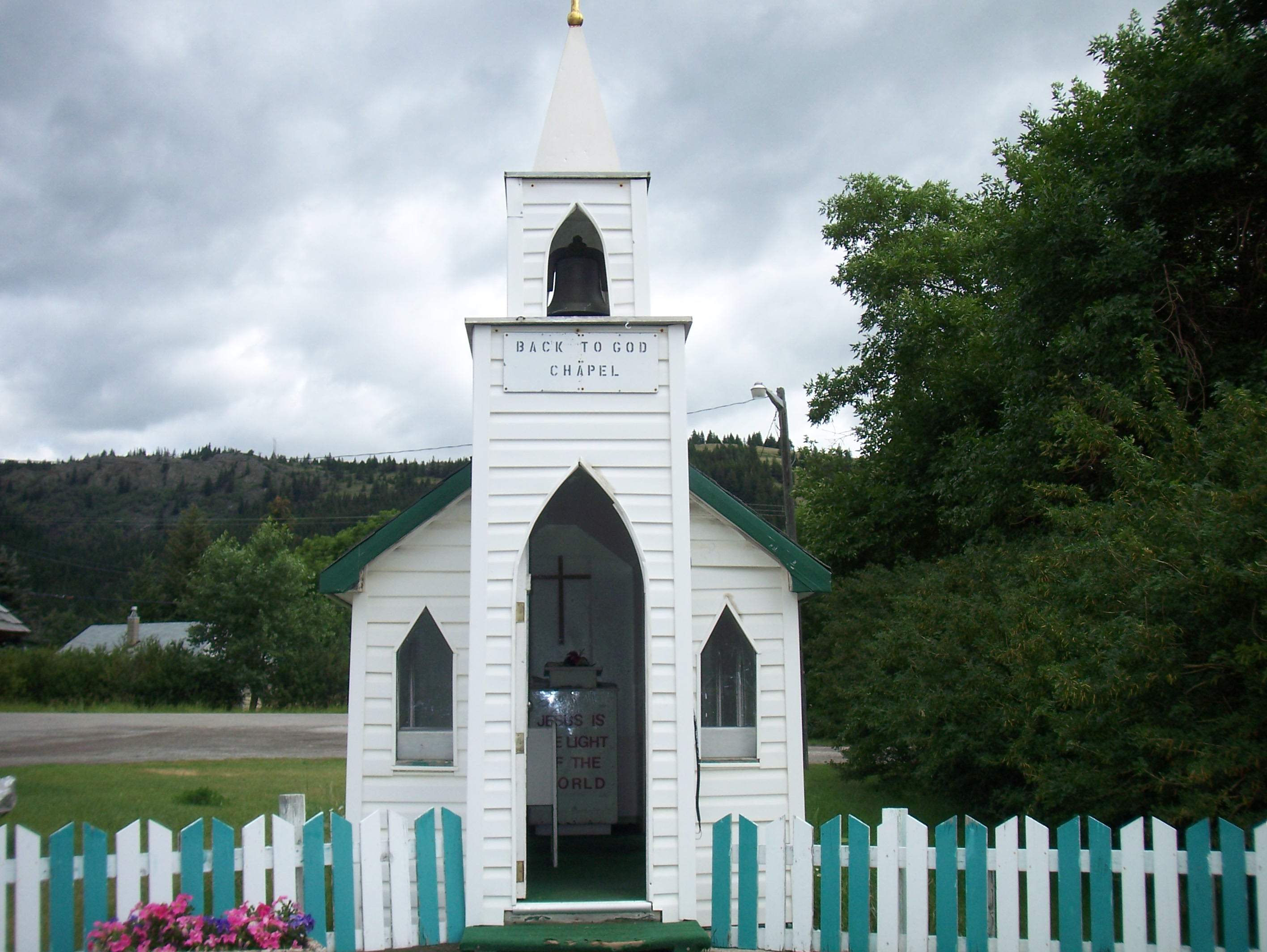
This is the Back to God Chapel and seats about 12 people.
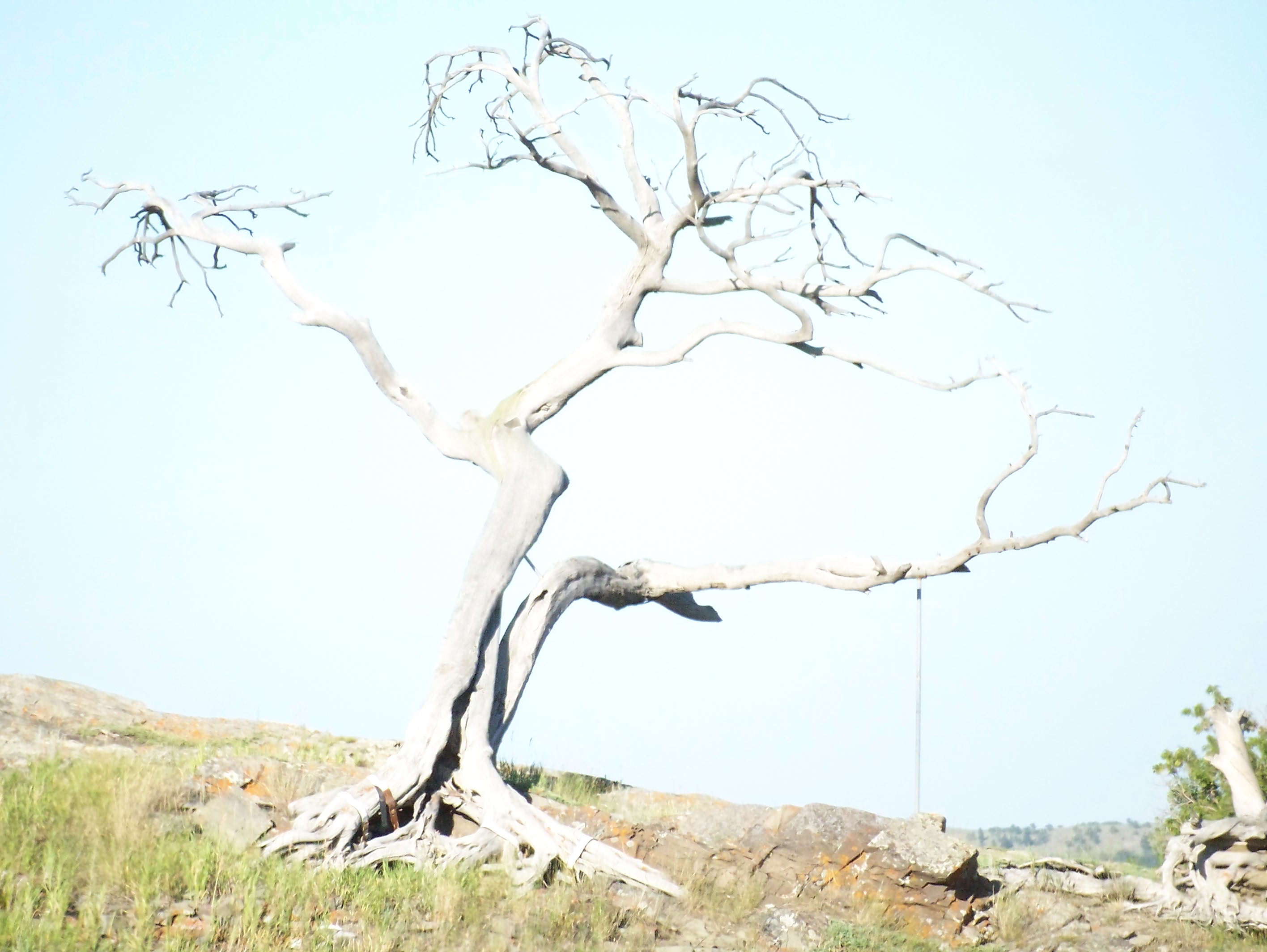
This is the Burmis Tree and is the most photographed tree in Alberta. It is at the east entrance to the Crowsnest Pass. It is a Limber Pine which died in about 1978 and it was 300 to 700 years old when it died. The town of Burmis, like the tree, is dead. It was a coal town and, when the coal expired, so did the town.
Another Day in Paradise

It was a less eventful day today with no bear sightings. We saw some deer late in the day, but they were in a hurry to get somewhere so did stop for pictures. What I have are some pictures of the natural beauty of Waterton Lakes National Park.

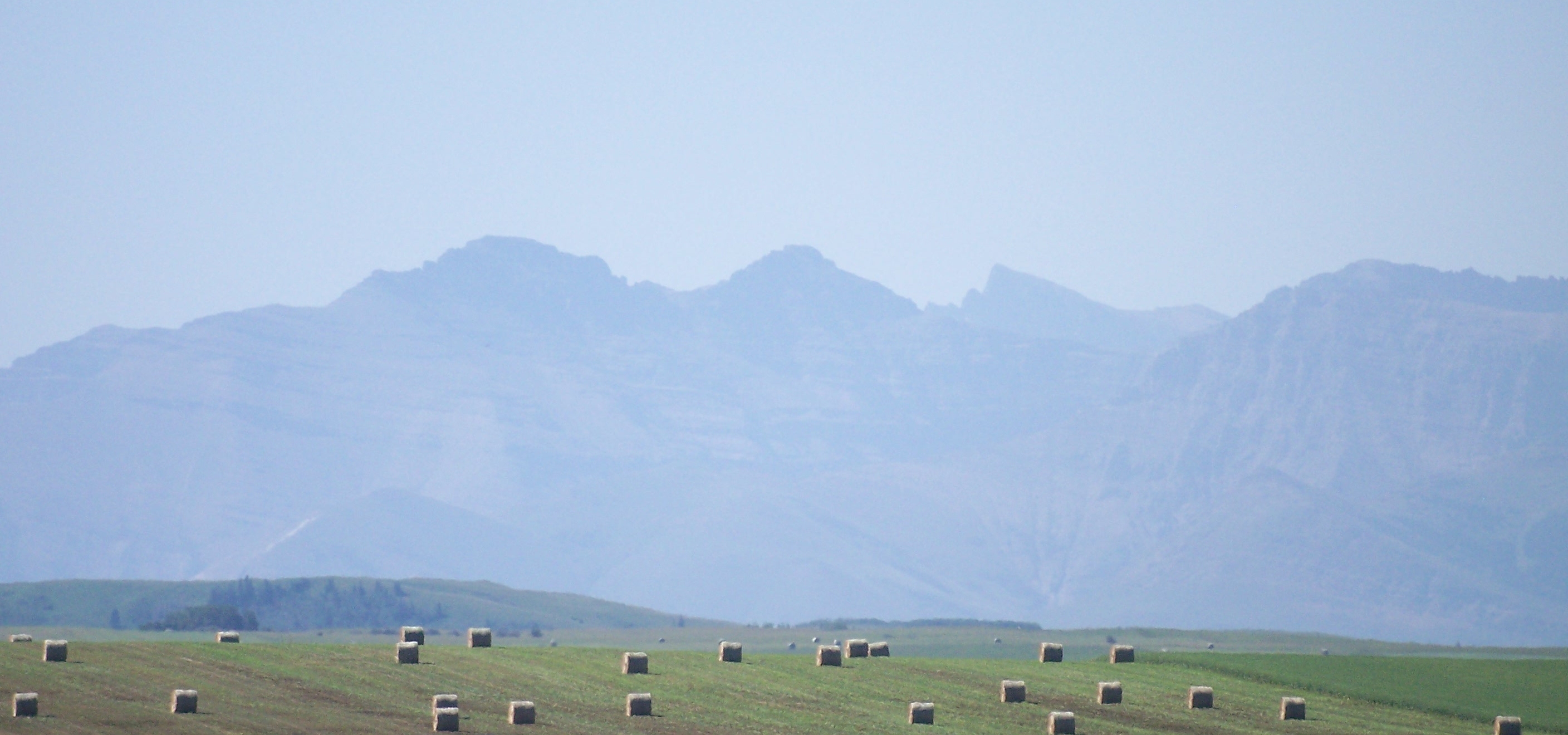
As we drove south from Pincher Creek, this is the view of the mountains before a person drives into them. The sign says, “Where prairie meets the mountains” and they do.


This was a similar view, without the bales, later the same day just before sunset.

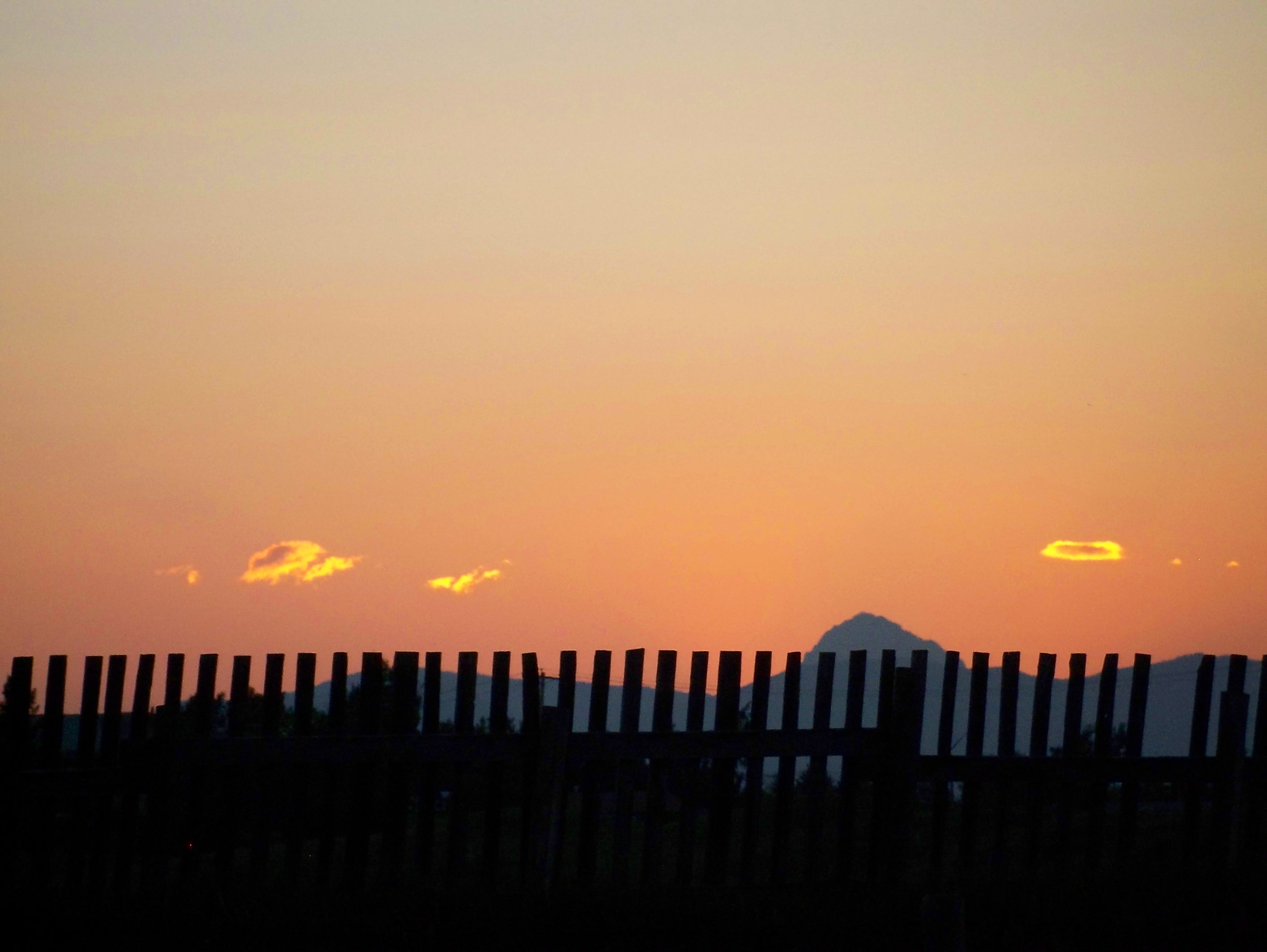
And, if you give it a few minutes, this is what it looks like.

Sun embraces mountains

The sky in peaceful fury

Signals the day’s end.

This is the view from the beach at the town site of Mount Vimy. Can you imagine waking up to this every day? It would be pretty intense, but 88 people do everyday. According to Stats Can that is the official year round population of Waterton.

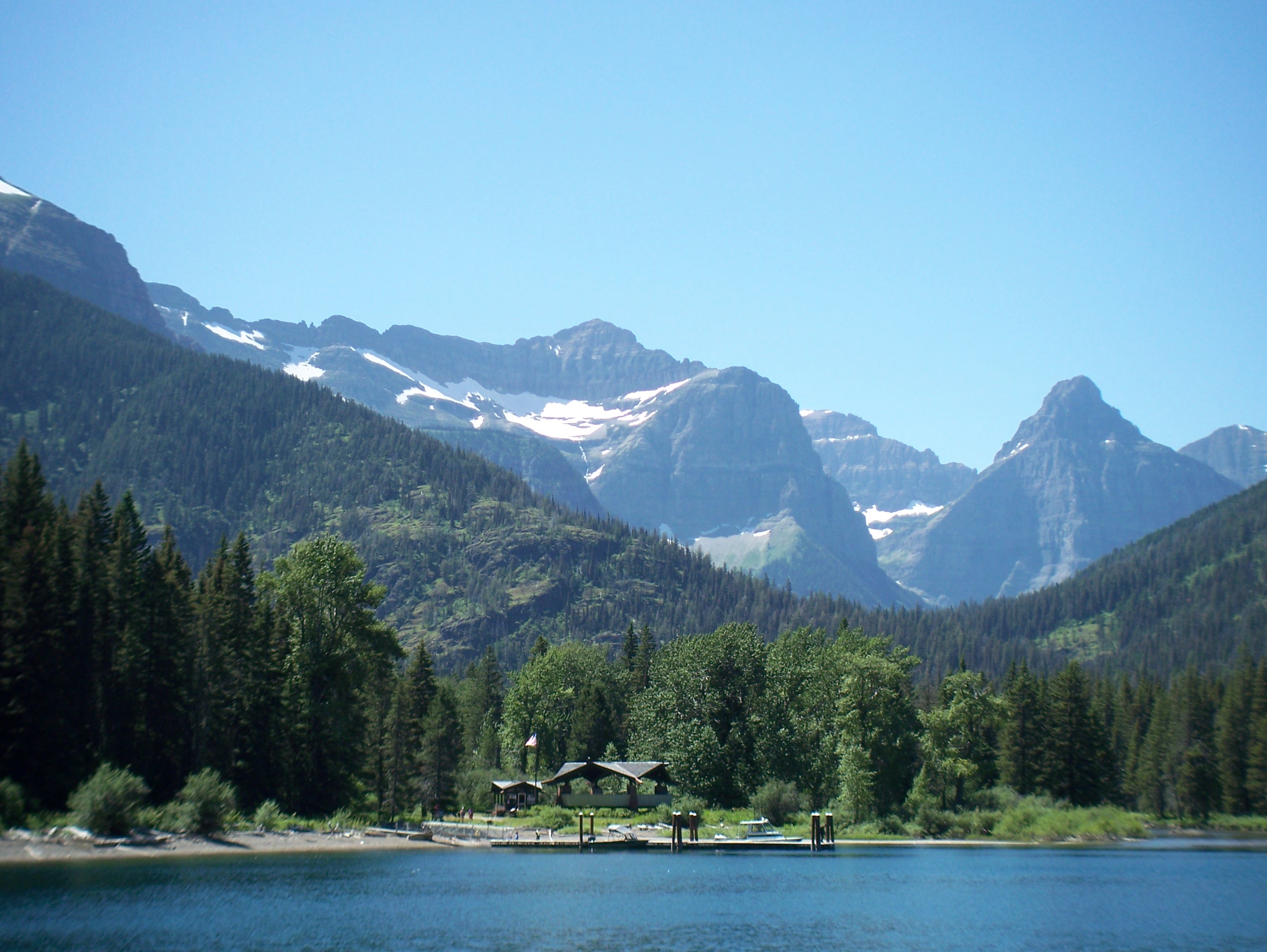
This is a view from the boat of the approach to the American side of Waterton Lake.

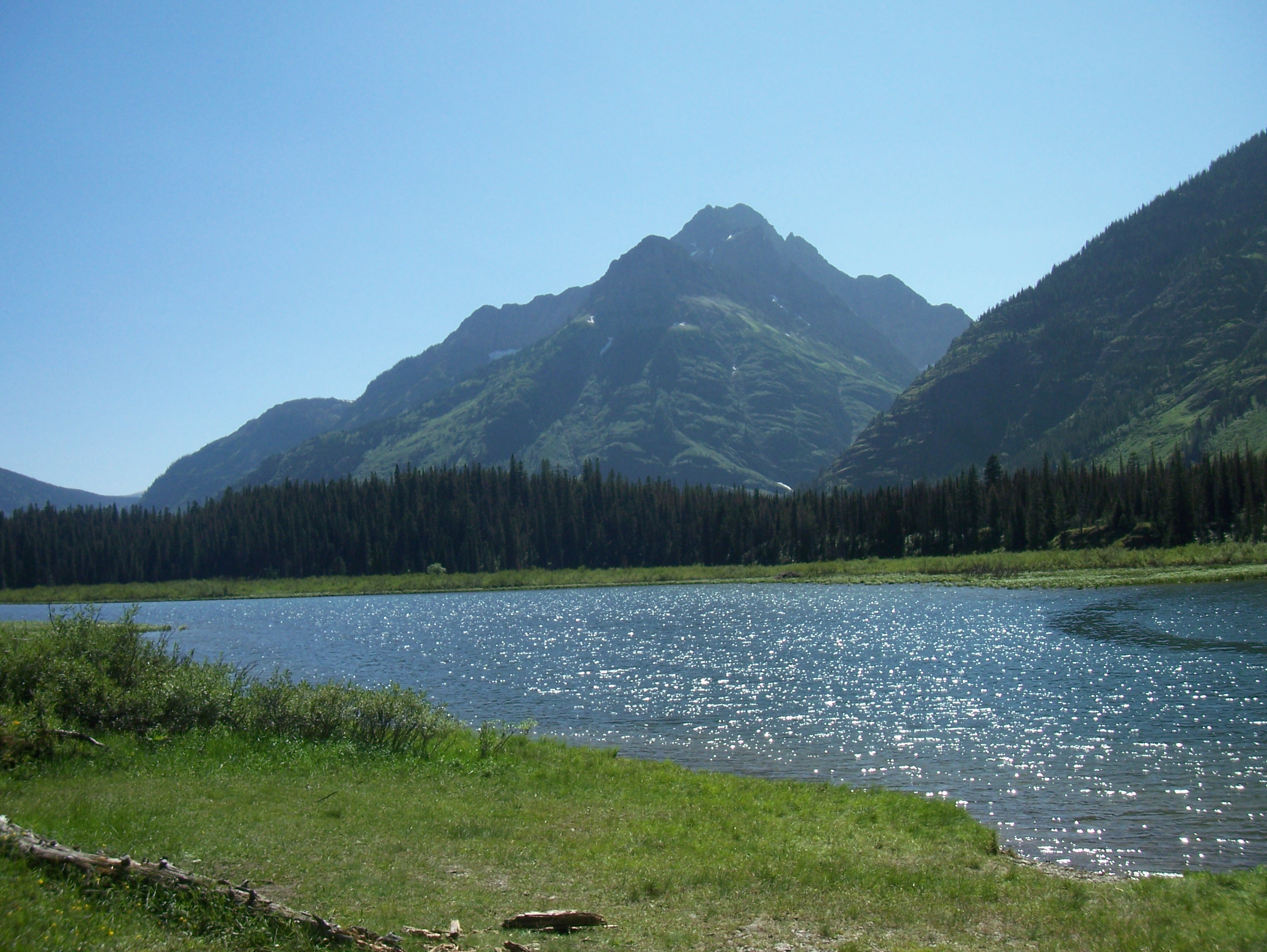
This is at Kootenai Lake which was at the end of our hike into Glacier National. The ramparts are spectacular.

Rise above it all

Magnificent natural ramparts

We feel safe below.

This is across Kootenai Lake. We waited but the moose did not show himself. He was there five minutes before we arrived.

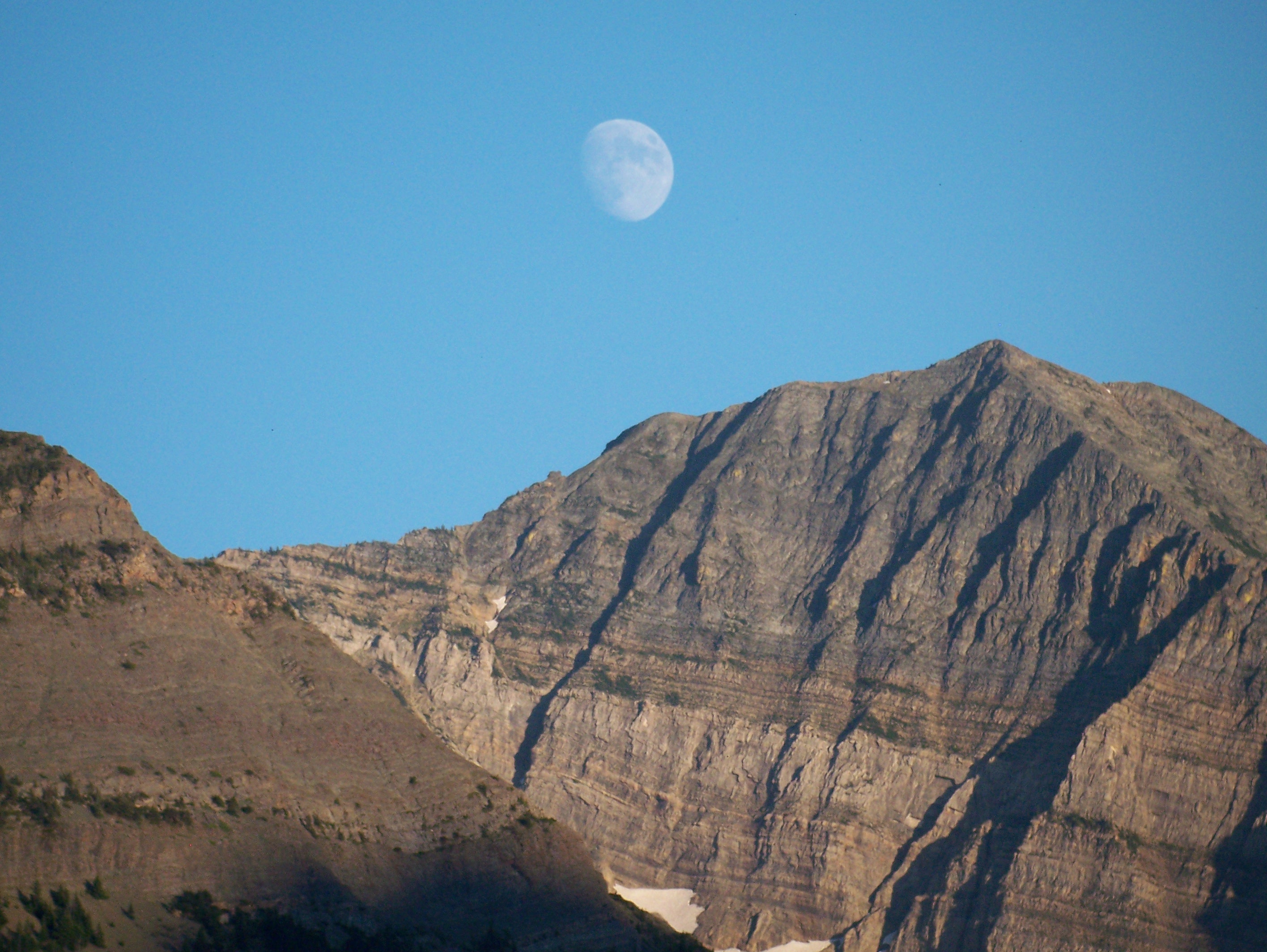
At the end of the day, just before we left the town site, the moon appeared above Vimy.

Fair maiden appears

Light for evening’s journey

Keep us safe til morn.

Have a great August 1.

Appreciate Neighbours

The Internet is slow particularly when uploading images. I may need to wait until tomorrow morning and post early before we head off for the day. In the meantime, I jotted this as we walked to Kootenai Lake.

Neighbours near,

Some visible

Ducks laugh and swim

Distract us, grouse–

Protect family and spouse

Woodpecker’s fly by lunch

Delectable larvae, I’m sure.

Others less evident

A fish plays–

Teases with hide and seek

Loon momentarily there

Beaver away from lake house

A moose–

Tracks and droppings

Insects whir in the stillness

Butterflies flit and feed

And move seed

A phantom breeze brushes floor

A solitary leaf responds,

And waves

Up high

Trees sigh.

What watches me?

I am not sure

Neighbours present,

A community–

Puzzles pieced together

Each a part

Seamless, yet not form fitting.

We are part of communities and this past few months I feel more of that; at Gonzaga, with my blog, and on nature walks with Kathy. I appreciate being one small part of communities made up of many parts.

International Peace Park

Kathy and I wanted to travel down to Glacier National Park, Montana, but the logistics were challenging. We put this on the back burner this year and traveled to Waterton Lakes National Park in the southwest corner of Alberta. The two parks combine and form the first International Peace Park and are often called the Crown of the Continent, but there is no easy way to see both without a lot of traveling or so we thought. Luck intervened and we found our way down to Glacier National Park.

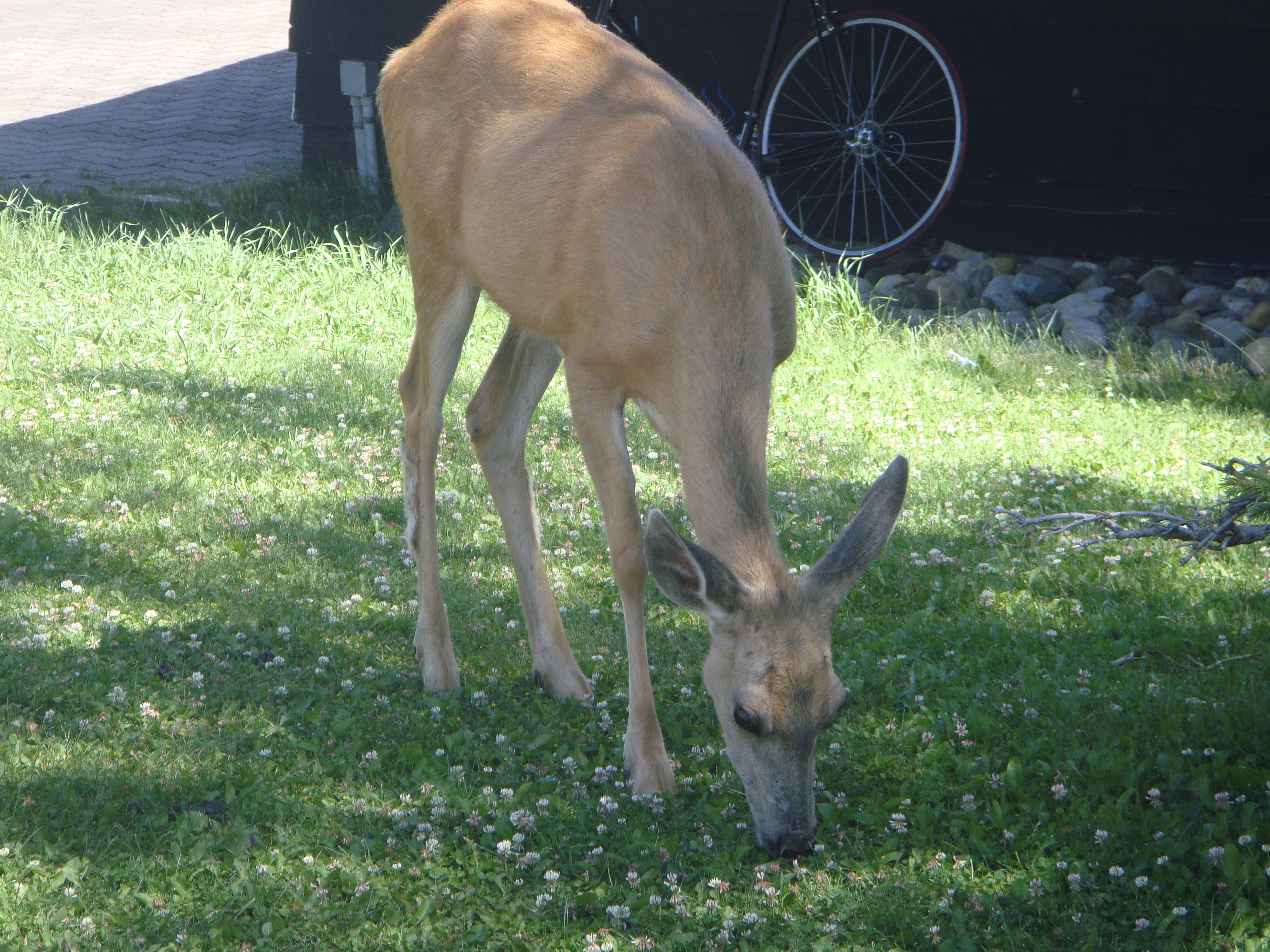
In national parks you can get up close and personal with the wildlife. They are still wild and skittish, but as long as you are careful they stay and. I took this picture just outside the ticket offices for the boat tours. She grazed, let several of us take pictures, and we were within a couple of metres (five or six feet) of her.

Oh my dear, it’s a deer.

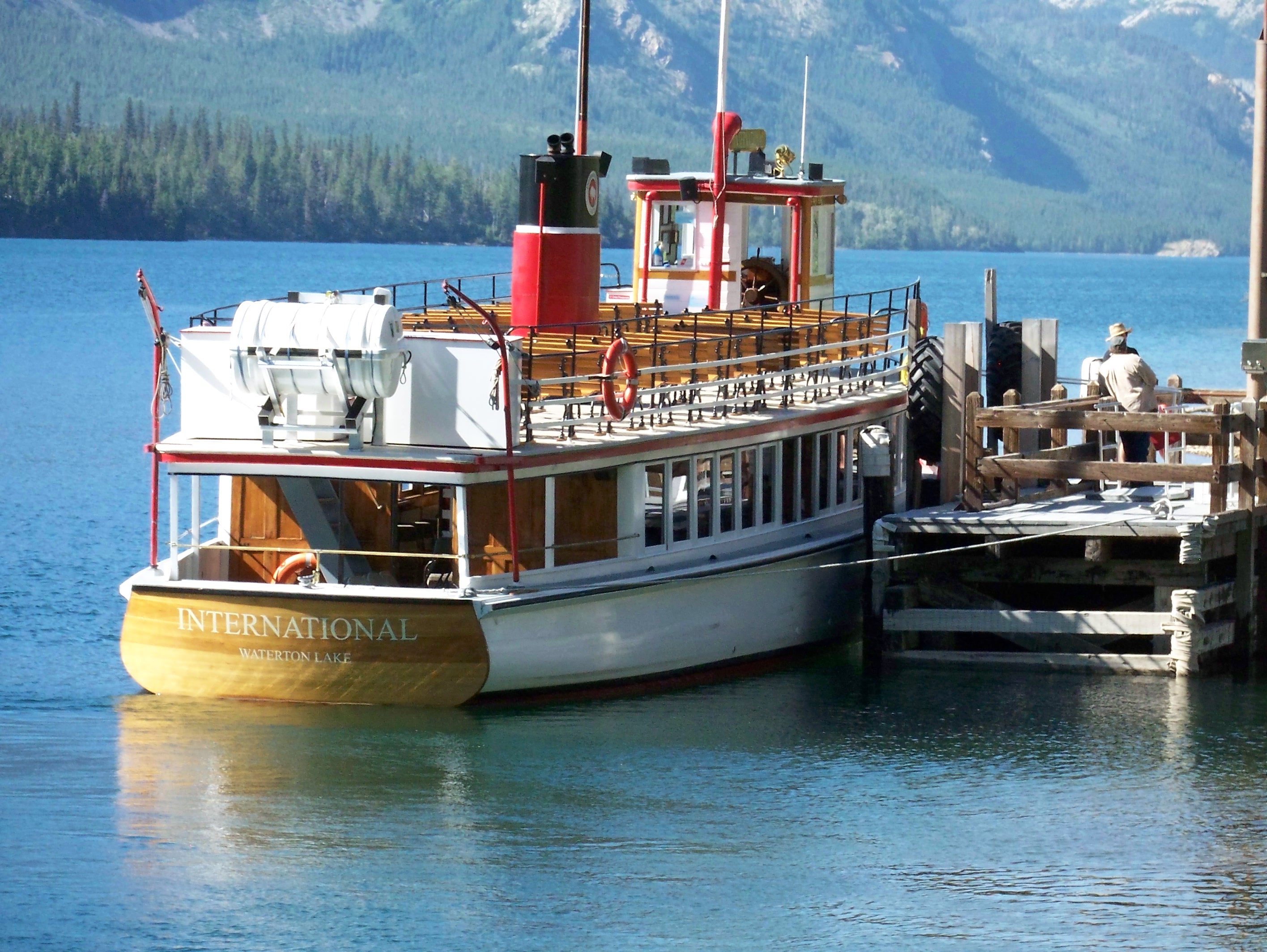
We were able to travel to Glacier via an alternate mode of transportation: a boat. This is the US International, an 85-year-old boat, that makes four round trips on Waterton Lake to the south end. Part way through the trip, we crossed into the US and Kathy and I chose to stay for a couple of hours to do some hiking.

An icon of Waterton is the Prince of Wales Hotel. It was built in 1927 and overlooks the lake. It is open from mid-June until mid-September. We have missed it on other trips due to traveling in the off-season, but this year we are stopping for ‘high tea.’ This is a view from the boat.

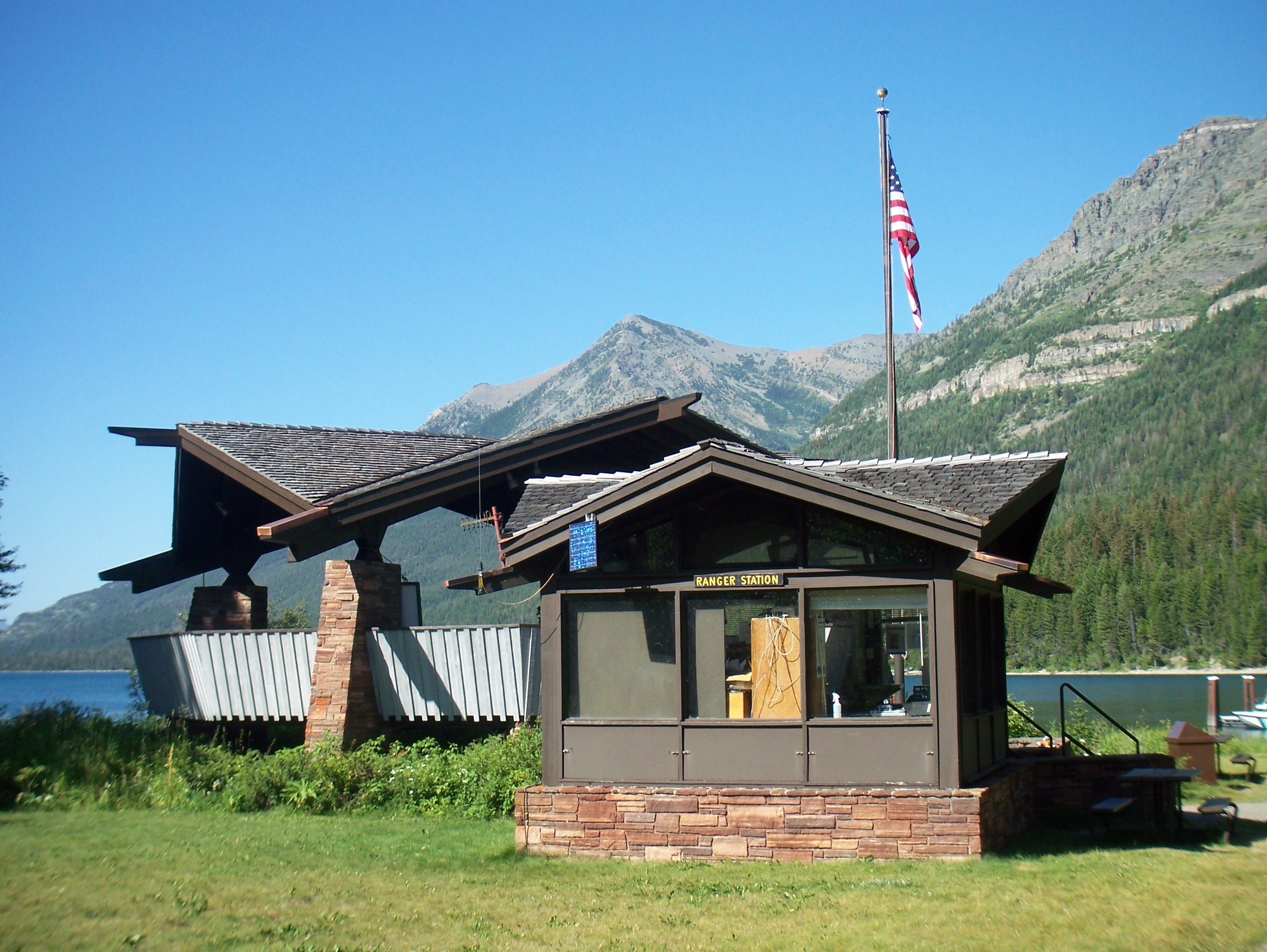
When Kathy and I got to the US port of entry at Goat’s Haunt, we stayed and hiked into a small alpine lake called Kootenai. It is about an 8 km walk (5 miles) and took about 2.5 hours. This is the ranger station and border crossing. We showed passports and answered routine questions.

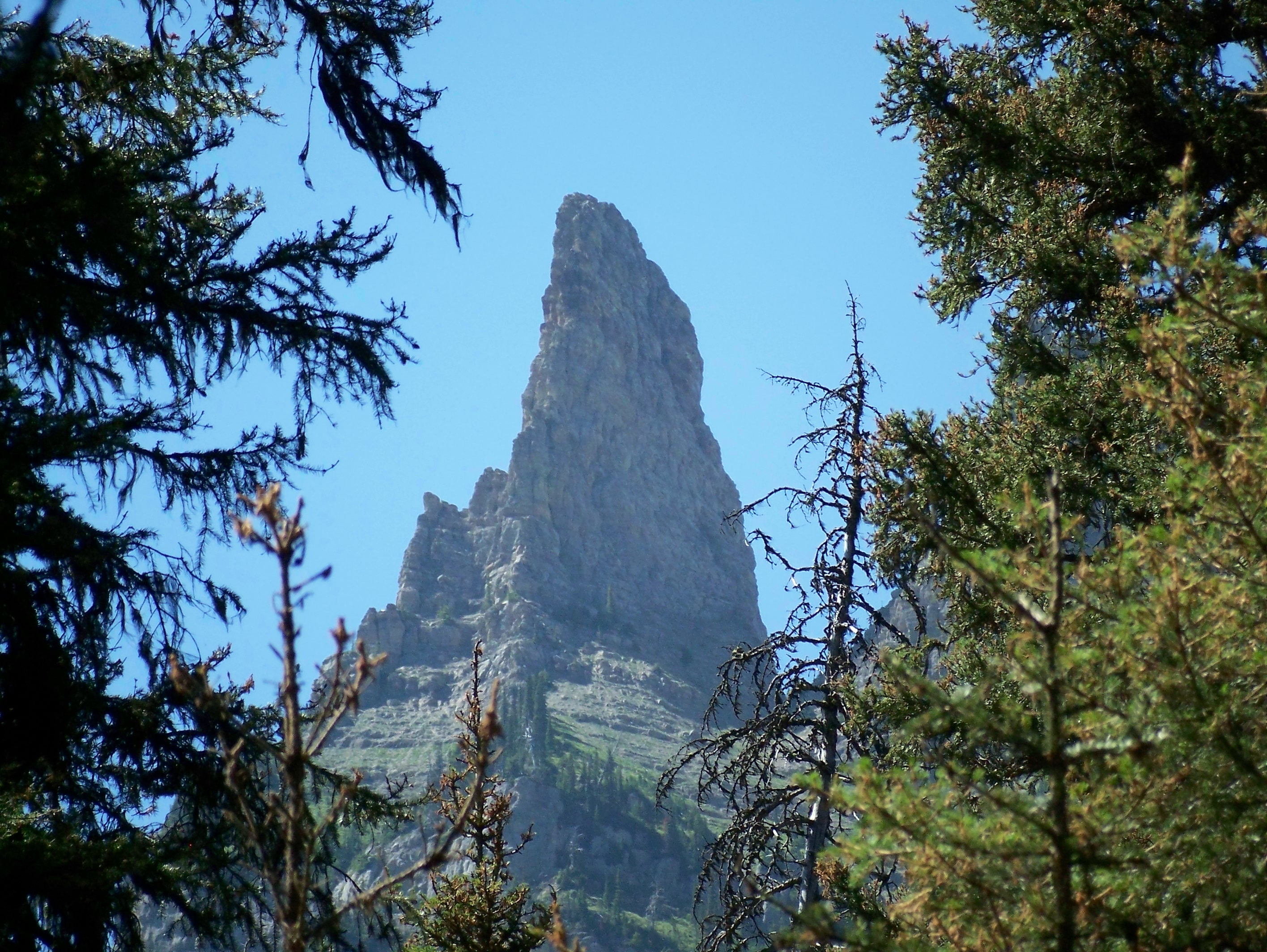
This is a view from the path along the way.

Nature’s cathedral

Light dances with shadows below

A benediction.

This was a small stream we passed over twice. The flow of water has worn the rock flat. Nature is rich with paradox.

Life’ rapid current

Smoothing and shining rough edges

Until next rough spot.

We are off for another day of adventure.

Captains of Society

I mentioned when I posted Angry Young Poet there was a second poem I shared from my youth with my students. I softened this one a bit, as it had an angry voice. I know this version sounds pretty harsh, but it is gentler. A recent conversation reminded me how I marginalize voices of those already marginalized. A professor commented he was told by an affluent person that another less fortunate person was a non-entity and the worth of human was measured in material worth. I know this might be isolated, but it troubling and I was reminded of this poem.

Captains of Society

Shallow, superficial, arrogant

Single ambition

Greatness in the eyes of others

Only those with resources can apply

The rest

Forgotten

Pay a high price, but…

It’s their fault

They own their misery.

A cheque to charity

Assuages my conscience

What about the despair?

Don’t care

I claim I do

Donations in good faith, but

It’s a tax receipt

I can really claim, but…

Done on the backs of others

Get the staff to donate time

Not mine.

Increase taxes

Not mine!

No way!

It’s wrong!

Tax others!

What is work?

I create jobs

It’s a spectator sport

This work, which

I manage from afar.

Drive luxury wheels

Shout

Curse

What’s the hold up?

Who’s blocking my way?

The ‘75 Ford station wagon

Engine shot

Dead broke!

Is it their home?

 Throw a party

Drink

Eat

Be merry

No concern for homeless

A romantic notion this ‘hobo jungle’

Not my world

What’s wrong?

It’s not my fault

I gave at the office.

After all.

Throw money at problems

It might help

Don’t

Stop, see, care

If it really helps

Denying, refusing, unfeeling

I pay for a clear conscience

After all.

 The misery

In surround sound…

Is out of sight;

Out of mind

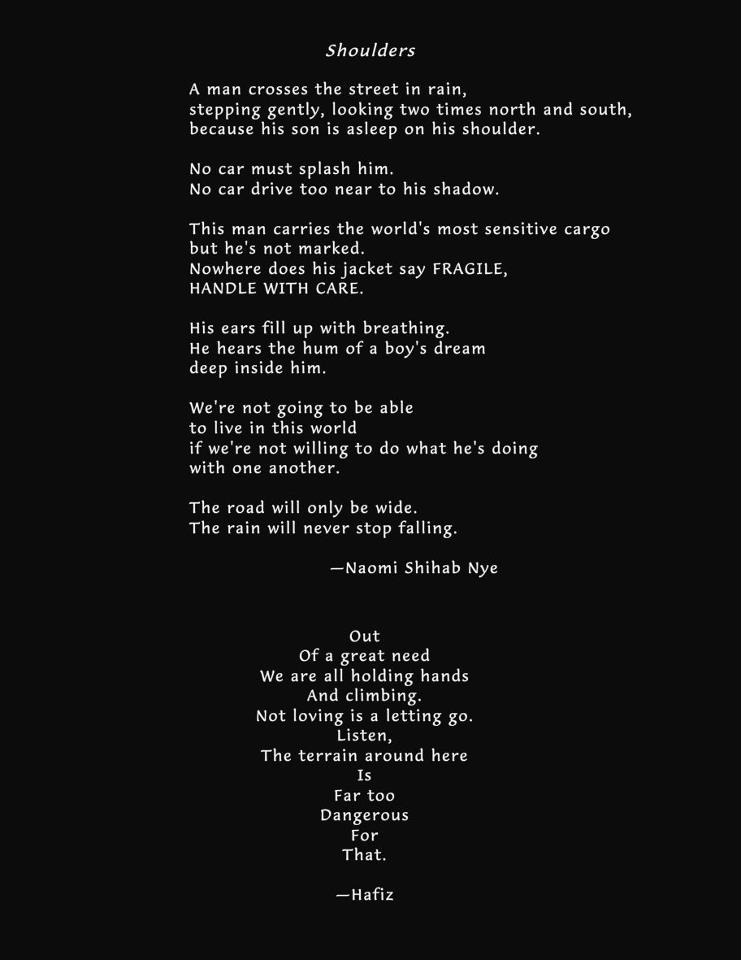
Shoulders by Naomi Shihab Nye and Out of Great Need by Hafiz

I finished reading Healing the Heart of Democracy by Parker Palmer. It is a wonderful book and, even though he wrote it from an American perspective, it has many universal messages. These poems focus on a message we are in life together-we share, reciprocate, appreciate.

I am reaching the point of settling into the dissertation process. My theme is technology, its implications in learning, mindful practices, and the role of leadership in the use of technology. Today, the responses I received from yesterday’s post, Inspiring Blog Award, was evidence that various social media offer opportunities to build digital community. Gonzaga has a journal club for its doctoral students. We find research articles, read them and summarize key points, and present our understanding as they relate to leadership. I presented one about Virtual Communities of Practice today. A key point is reciprocity or the giving and receiving of gifts. This is not a material gift, but one demonstrated through appreciation for the other when they post or say something online. I was able to share I saw the reciprocity and appreciation fully today. You are part of an emerging phenomenological study.

These poems are for you.

Inspiring Blog Award

Before I post, I wanted to acknowledge inspiration is reciprocal. Each day, with anticipation, I check my email and follow blogs I subscribe to.

I have gained a considerable amount from blogging, but is humbling. When I began, I had few visitors, no likes, and no comments. Gradually, this changed and blogging became rewarding in and of itself as I learned its nuanced context. It is still humbling in two ways. First, when I check creative blogs posted about passions people hold dear, it impresses me with the process and product. Second, I keep it real . Statistically, the blog I follow with the largest following has about 15, 000 followers. This is about 0.000002% of the world’s population and my 300 followers is about 0.00000004%. Against the odds we form a small, appreciative community and share parts of our lives. Thank you.

Thank you Kay Lynté at Thinking is Write for nominating me for the Very Inspiring Blogger Award. I am glad to know my blog inspires others, including Kay. I appreciate the gifts others share and in various ways they inspire me in my journey 🙂

1. Link back to the person who nominated you: Thank you, Kay

2. Post the award image to your page:

3. Tell 7 facts about yourself:

    • I have a fairly large (ice) hockey memorabilia collection.
    • I was a banker before becoming a teacher.
    • I was a single digit handicap golfer before my car accident.
    • I have never seen the Atlantic Ocean live.
    • My best friend is my wife, Kathy
    • I love the Blues and saw John Mayall in concert on Sunday
    • I am a Montreal Canadiens (ice) hockey fan.

4. Nominate 15 other bloggers and let them know they’ve been nominated:

Waiting for the Karma Truck

Nonoy Manga

The Blazing Trail

Sharmishtha Basu

The Literary Man

Thought Baker

Fun and Fabulousness

Timothy A Cooper

Tracie Louise Photography

Travel Culture Food

Doli Photo

Subhan Zein

The Living Notebook

Wallpaper Tadaka

Leanne Cole Photography

Take care,

Ivon

Tuned In and Fired Up

I mentioned this book in Culture of Peace and Angry Young Poet. It was worth a read. I start with a haiku which emerged from the book.


Who stretches the teacher?

Journey into their essence

Reveal the learner.

I read Tuned In and Fired Up by Sam Intrator for two reasons: as a teacher and as a graduate student preparing for the dissertation process. Sam contributes to the work of the Centre for Courage and Renewal which based on Parker Palmer’s writings and thinking.

The book is enjoyable, informative, and motivating. Teachers need to take time and pause, reflect upon, and recall the reasons they were called to teaching. There are alchemical moments of discovery we artfully use and define teacher, students, and subject. It is surreal and its magic can never be underestimated as the three blends into a single whole and respects individual integrity.

Part of the magic in this book is Mr. Quinn, the teacher. He took risks and students tuned in and fired up to his genuine presence. Parker Palmer, in The Courage to Teach, suggested “teaching is always done at the most dangerous intersection of personal and private life” (p. 18). Mr. Quinn’s teaching was learning and realized he could wrong. The magical aspect takes a teacher onto the boundary and, then, into uncharted waters. Good teachers take that risk and students sense it.

Towards the end Sam cited William Ayers: “Since teaching is always a search for better teaching, I am still in a fundamental sense becoming a teacher. I am stretching, searching, and reaching toward teaching” (p. 134). This is a virtuous cycle of learning-teaching-learning to infinity.

Sam leaves the reader with an incredible list of those things teachers can reflect upon and use according to their setting. Many are well-known: cultivate rapport with students, compete tenaciously for their attention, and spark their desire to create. Others were ones I felt were lesser known: embrace your role as a performer, tap into their senses, and acknowledge boring. That last one is challenging. At the adolescent level, treat them like they are becoming adults.

Questions: A concern expressed by Sam was a need for genuine collaboration. What practices do you use in your workplace or learning that foster collaboration between adults? If you teach, what ways do you include students?

Recommendation: I loved the book and let me leave you with just two ways. It was easy to read without losing meaning. Sam used simplexity and achieved his aims. Second, he left a thorough recipe without the quantities. I need to figure those out with students and subject.

Intrator, S. M. (2003). Tune in and fired up: How teaching can inspire real learning in the classroom. New Haven, CT: Yale University Press.

Palmer, P. J. (2007). The courage to teach: Exploring the inner landscape of a teacher’s life. San Francisco: Jossey-Bass.


Sabbaths by Wendell Berry

What do I gain from taking a break; disconnect to reconnect? I think this poem speaks volumes. Jay F. Smith contributed the idea for this poem along with a brief reflective essay in Leading from Within.

In his essay, Rev. Smith indicated the Sabbath mood is “a mood resulting from a deep sense of knowing that no matter what the immediate visible, tangible, measurable ‘results’ may be, [something bigger than me] God is at work in the world” (p. 114).

Whatever is foreseen in joy

Must be lived out from day to day.

Vision held open in the dark

By our ten thousand days of work.

Harvest will fill the barn; for that

The hand must ache, the face must sweat.

And yet no leaf or grain is filled

By work of ours; the field is tilled

And left to grace. That we may reap,

Great work is done while we’re sleeping.

When we work well, a Sabbath mood

Rests on our day, and finds it good.

Berry, W. (2007).  Sabbaths.  In S. M. Intrator and M. Scribner (Eds.), Leading from within: Poetry that sustains the courage to lead (pp. 115). San Francisco: Jossey-Bass.

Sabbath’s Circle

Have a great 23rd of July, 2012.

A virtuous circle

Begins at the end

Ends at the beginning.

A source of refuge

Moments of discovery within

No urgency

Besides just breathing.

Just be

With all nature’s cycles

Brings wholeness

Sabbath liberates.

I find life events are increasingly filled with synchronicity. When I posted the poem Auditory Illusion, I had listened to a thunderstorm chase itself in and out of the Spokane area. It thundered overhead, moved off, and returned several times circling in and out of the area for about an hour. After the post, I reflected on life’s circularity as it is and scribbled some thoughts down before going to bed last night.

I heard the rain differently than it was. It sounded like the storm was over, yet, when I got up, it was raining hard. The eaves of the building had tempered the sound. Today, in Wayne Muller’s Sabbath, he wrote about the etymological roots of the words absurd and obedient. Absurd is from the Latin surdus which means deaf and obedient from the Latin to listen. Yesterday, listening or mislistening to the storm and its intensity reminded me of the frequency I misunderstand parts of life and its relationships. Wayne Muller was friend of Henri Nouwen and said he was “a fiercely astute observer of our worried, overfilled lives [and that] … the noise of our lives made us deaf, unable to hear when we are called, or from which direction” (p. 84). I am commited to daily moments of silence and a weekly Sabbath to help me listen when called.

Wayne Muller concludes each short chapter with a brief reflection for Sabbath. The chapter Let it Be is also the title of my favourite Beatles’ songs. Today, the reflection was from Brother David Steindl-Rast an Austrian monk.

“Let the silence drop like a pebble right into the middle of the day and send its ripples out over its surface in ever-widening circles” (p. 86).

Muller, W. (1999). Sabbath: Restoring the sacred rhythm of rest. New York: Bantam Books.