Category Archives: Mindful Life

Life within a Panorama


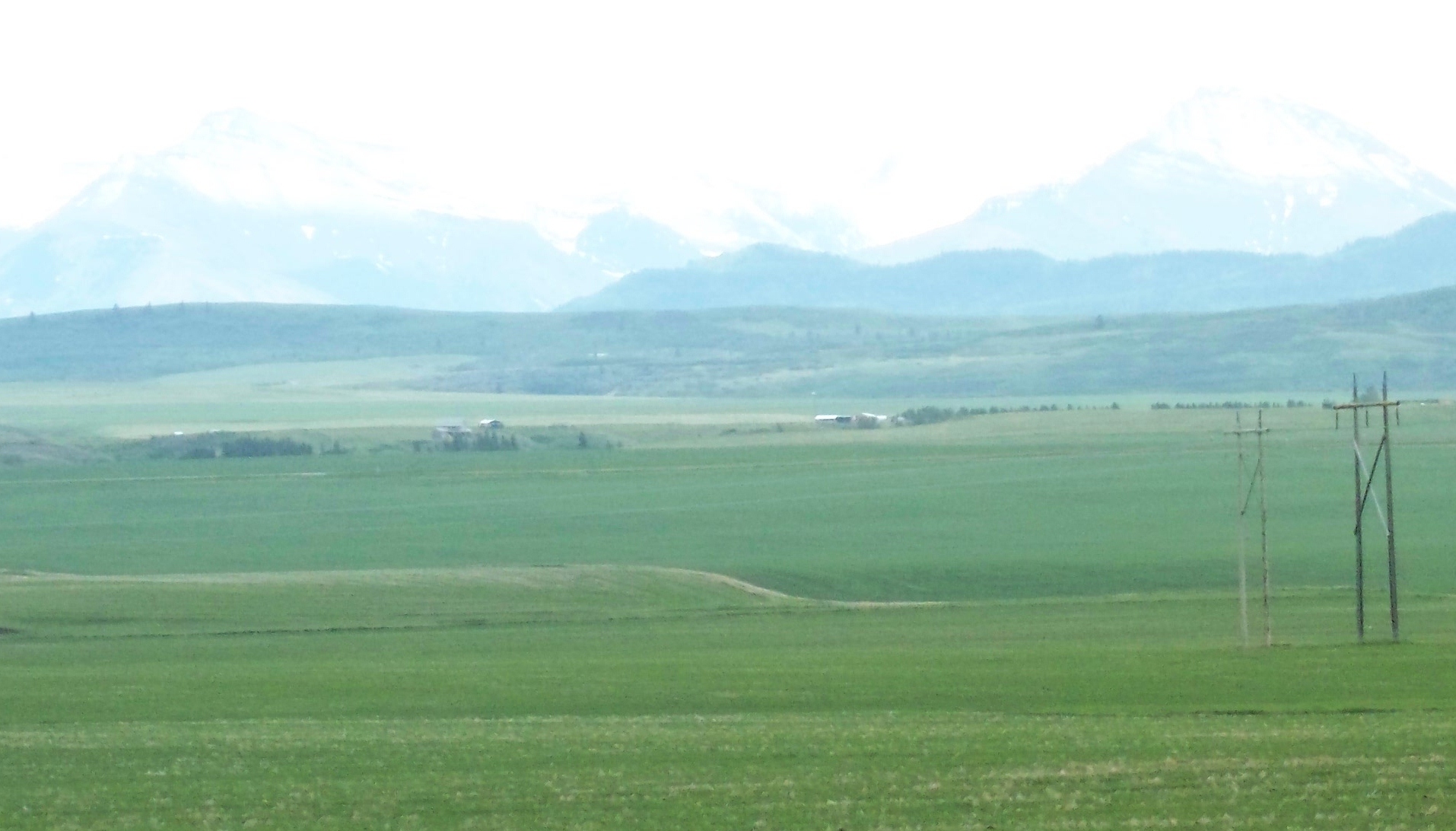
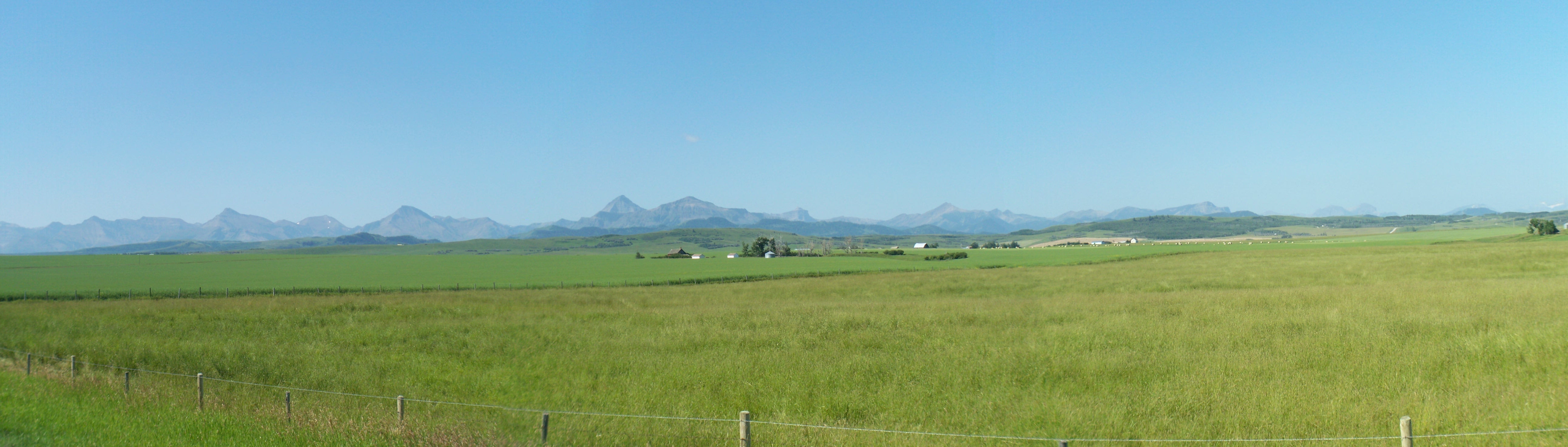
Kathy took these panoramic pictures the first day we drove to Waterton. I often wonder about making sense of life without a fuller view. It is the stepping back that might allow the ‘hole in the whole’ to fade and show a panoramic view of life. Even at that, the life’s complexity  creates mystery of and allows the ‘holes to make sense in the whole.’

Life

Still shot

One image at a time

Parsed and fits my definition.

Life

A broad view

Weaves a web without design

Fuller, richer, yet indefinable.

Reflection

Quilts life whole

Bound together moment by moment

Paradox of ragged and seamless.

Shared

Without losing self

Bound together by our commonness

Adhere disparate parts into one.

Appreciate Neighbours

The Internet is slow particularly when uploading images. I may need to wait until tomorrow morning and post early before we head off for the day. In the meantime, I jotted this as we walked to Kootenai Lake.

Neighbours near,

Some visible

Ducks laugh and swim

Distract us, grouse–

Protect family and spouse

Woodpecker’s fly by lunch

Delectable larvae, I’m sure.

Others less evident

A fish plays–

Teases with hide and seek

Loon momentarily there

Beaver away from lake house

A moose–

Tracks and droppings

Insects whir in the stillness

Butterflies flit and feed

And move seed

A phantom breeze brushes floor

A solitary leaf responds,

And waves

Up high

Trees sigh.

What watches me?

I am not sure

Neighbours present,

A community–

Puzzles pieced together

Each a part

Seamless, yet not form fitting.

We are part of communities and this past few months I feel more of that; at Gonzaga, with my blog, and on nature walks with Kathy. I appreciate being one small part of communities made up of many parts.

International Peace Park

Kathy and I wanted to travel down to Glacier National Park, Montana, but the logistics were challenging. We put this on the back burner this year and traveled to Waterton Lakes National Park in the southwest corner of Alberta. The two parks combine and form the first International Peace Park and are often called the Crown of the Continent, but there is no easy way to see both without a lot of traveling or so we thought. Luck intervened and we found our way down to Glacier National Park.

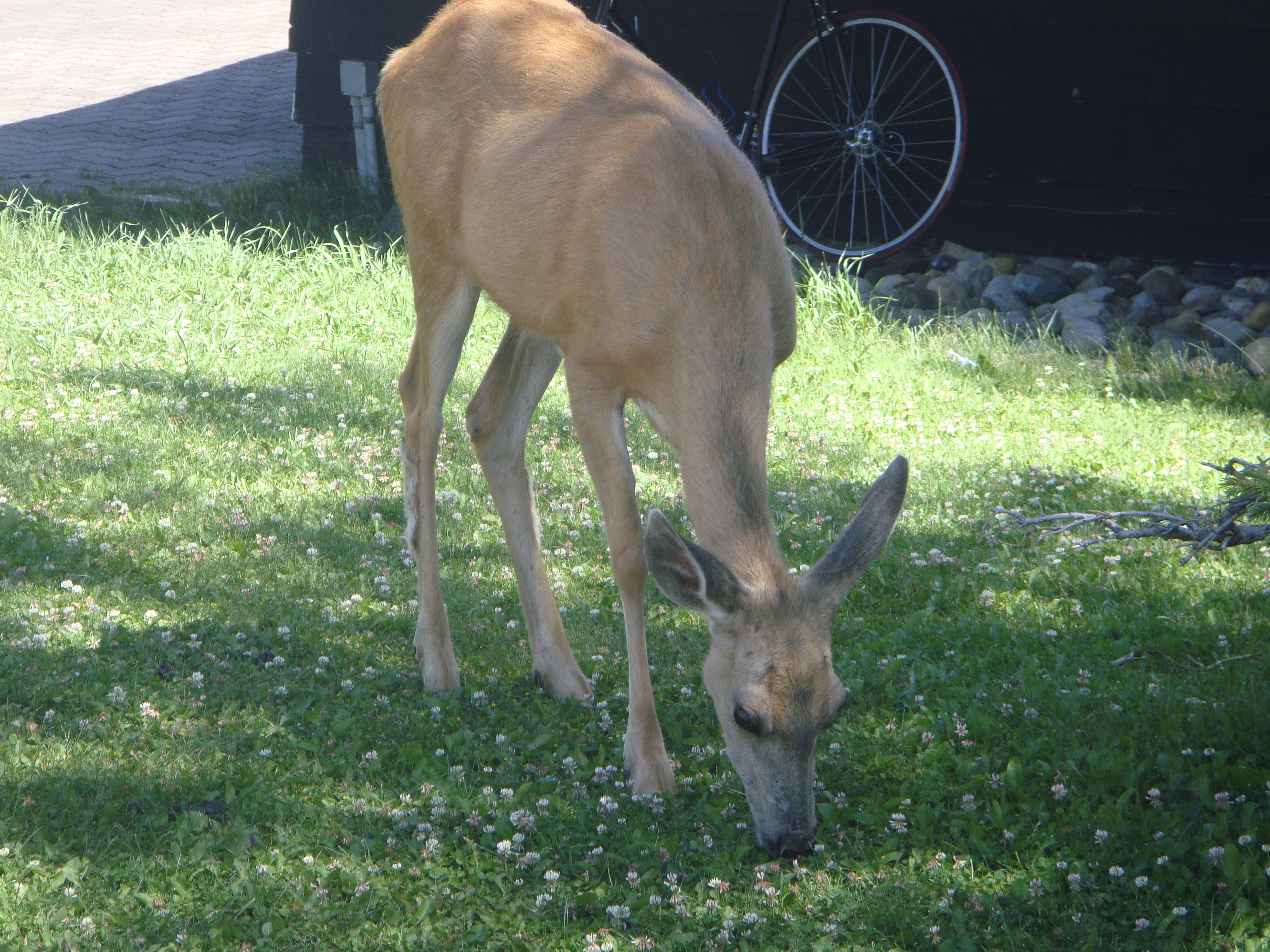
In national parks you can get up close and personal with the wildlife. They are still wild and skittish, but as long as you are careful they stay and. I took this picture just outside the ticket offices for the boat tours. She grazed, let several of us take pictures, and we were within a couple of metres (five or six feet) of her.

Oh my dear, it’s a deer.

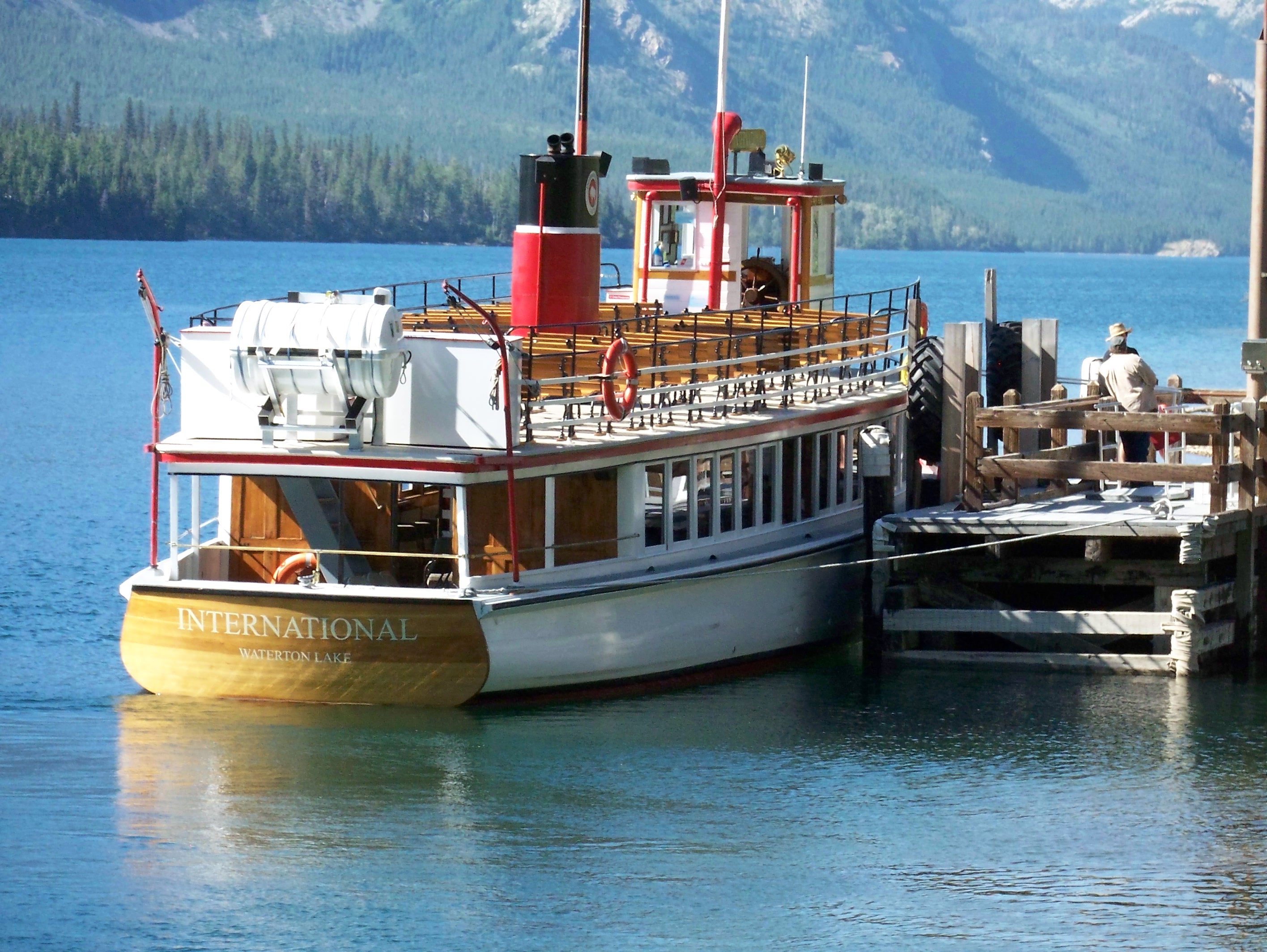
We were able to travel to Glacier via an alternate mode of transportation: a boat. This is the US International, an 85-year-old boat, that makes four round trips on Waterton Lake to the south end. Part way through the trip, we crossed into the US and Kathy and I chose to stay for a couple of hours to do some hiking.

An icon of Waterton is the Prince of Wales Hotel. It was built in 1927 and overlooks the lake. It is open from mid-June until mid-September. We have missed it on other trips due to traveling in the off-season, but this year we are stopping for ‘high tea.’ This is a view from the boat.

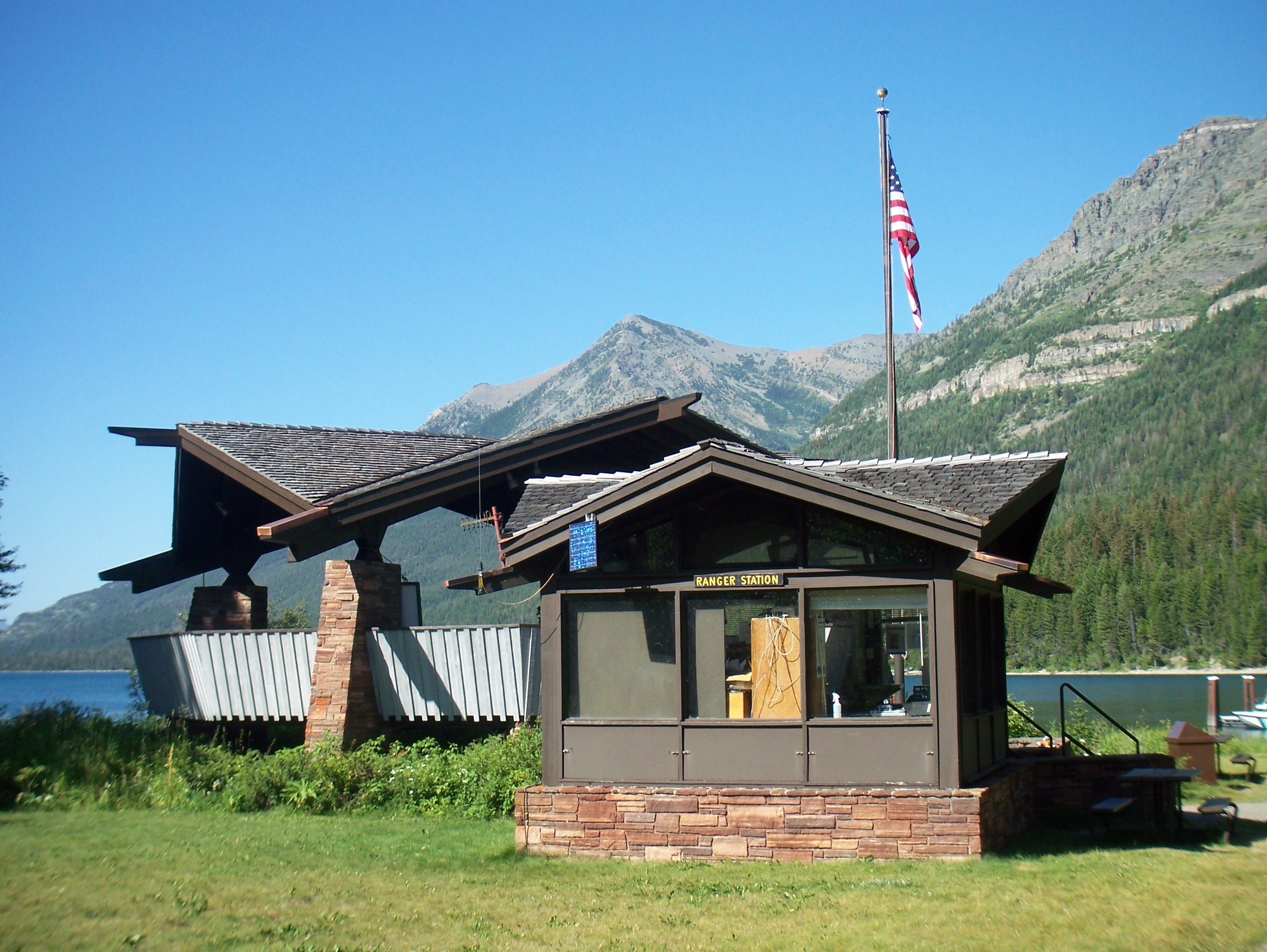
When Kathy and I got to the US port of entry at Goat’s Haunt, we stayed and hiked into a small alpine lake called Kootenai. It is about an 8 km walk (5 miles) and took about 2.5 hours. This is the ranger station and border crossing. We showed passports and answered routine questions.

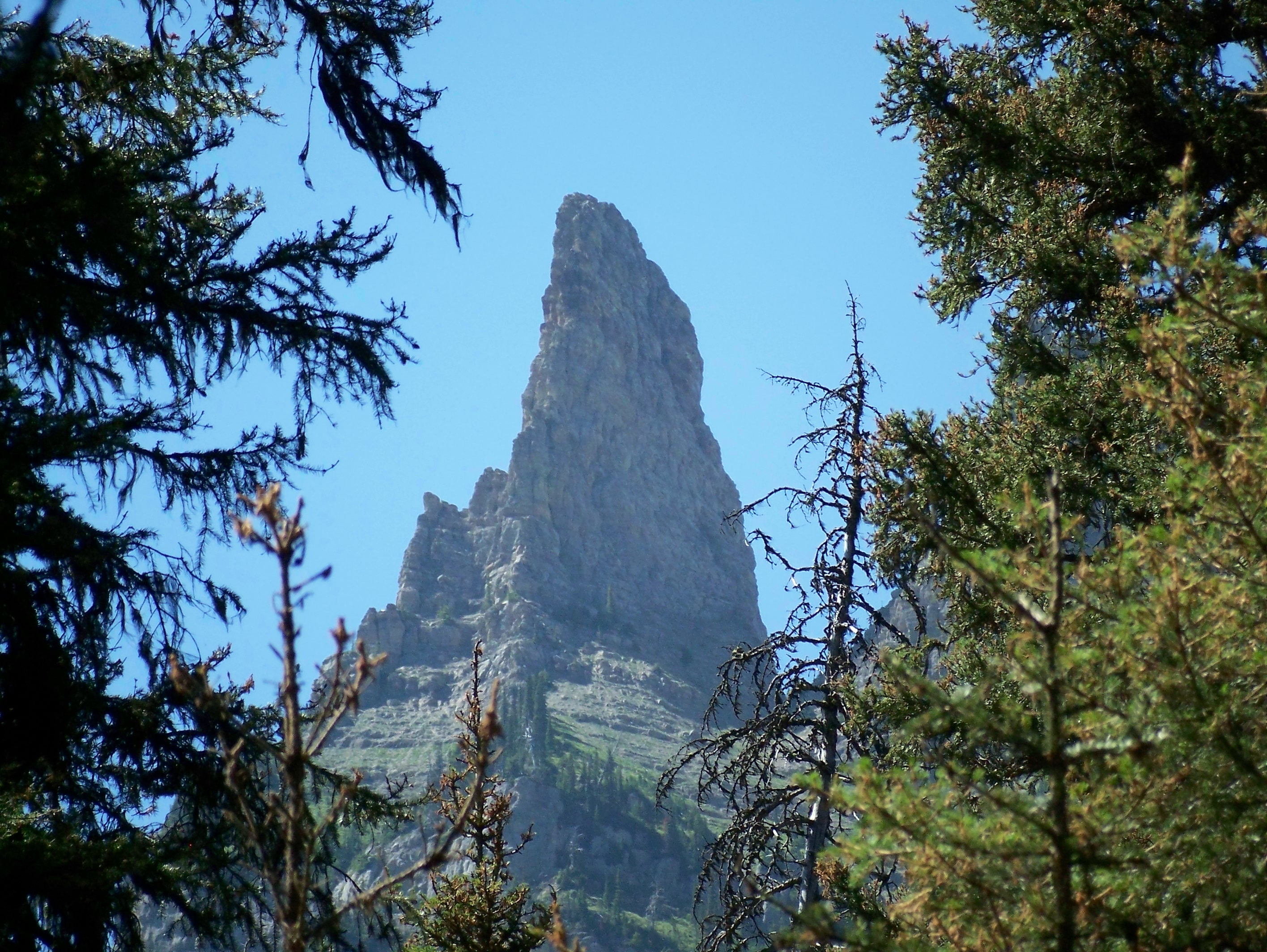
This is a view from the path along the way.

Nature’s cathedral

Light dances with shadows below

A benediction.

This was a small stream we passed over twice. The flow of water has worn the rock flat. Nature is rich with paradox.

Life’ rapid current

Smoothing and shining rough edges

Until next rough spot.

We are off for another day of adventure.

Sabbath in Waterton Lakes National Park

Shimon who posts at The Human Picture left a comment on my post Sabbath’s Circle. I am grateful for his explanation of the roots of the word ‘sabbath’ which indicates sitting. It is always good to know what the roots of words are so when we use them we understand them more fully and, when I sit with something in quiet time, it finds its way into my practice.

Kathy and I will drive to Waterton Lakes National Park and I will enjoy my day of disconnecting in a place that is important to us. We spent part of our honeymoon there and it is a special place for us. I am looking forward to spending time in a special place full of God’s many gifts. We are not sure what we will do, but the next 3 days we will just let intuition guide us.

This is a view from about 50 km (30 miles) away from what we will be re-exploring.


I will have more to post when I return on Monday.

Heading Home – Haiku Haven

Kathy and I head home after a great month in Spokane and at Gonzaga. I enjoy my time here and find the “pause that refreshes.” Part of this is paying forward which happens and the flow of time within this relational space. I see paying forward as a circle. Yesterday, we said good-bye to a colleague on his way home. He reminded me I lent him one of my papers his first summer here and how much that meant to him at a time he was ready to pack it in. I told him my first experience here was similar and someone reached out to me. I find the same thing in virtual community. It is harder to carry on conversations and build relationships, but I find a qualities that are unmistakeably human: care, reciprocity, and trust. I am grateful for the daily support I receive in each form of relationship.

Hearts open in time

The reward is worth the wait

We listen deeply.

A place of comfort

The circle invites us in

Its safe reach shelters.

Community calls

Alchemy not formula

Companionship grows.

I found this quote at Circle Toward Wholeness  and it speaks to the circular nature of life and how gifts are constantly received and returned. The quote can also be found at Unitarian Universalist and Circle Fellowship in a more linear form.

Sabbaths by Wendell Berry

What do I gain from taking a break; disconnect to reconnect? I think this poem speaks volumes. Jay F. Smith contributed the idea for this poem along with a brief reflective essay in Leading from Within.

In his essay, Rev. Smith indicated the Sabbath mood is “a mood resulting from a deep sense of knowing that no matter what the immediate visible, tangible, measurable ‘results’ may be, [something bigger than me] God is at work in the world” (p. 114).

Whatever is foreseen in joy

Must be lived out from day to day.

Vision held open in the dark

By our ten thousand days of work.

Harvest will fill the barn; for that

The hand must ache, the face must sweat.

And yet no leaf or grain is filled

By work of ours; the field is tilled

And left to grace. That we may reap,

Great work is done while we’re sleeping.

When we work well, a Sabbath mood

Rests on our day, and finds it good.

Berry, W. (2007).  Sabbaths.  In S. M. Intrator and M. Scribner (Eds.), Leading from within: Poetry that sustains the courage to lead (pp. 115). San Francisco: Jossey-Bass.

Sabbath’s Circle

Have a great 23rd of July, 2012.

A virtuous circle

Begins at the end

Ends at the beginning.

A source of refuge

Moments of discovery within

No urgency

Besides just breathing.

Just be

With all nature’s cycles

Brings wholeness

Sabbath liberates.

I find life events are increasingly filled with synchronicity. When I posted the poem Auditory Illusion, I had listened to a thunderstorm chase itself in and out of the Spokane area. It thundered overhead, moved off, and returned several times circling in and out of the area for about an hour. After the post, I reflected on life’s circularity as it is and scribbled some thoughts down before going to bed last night.

I heard the rain differently than it was. It sounded like the storm was over, yet, when I got up, it was raining hard. The eaves of the building had tempered the sound. Today, in Wayne Muller’s Sabbath, he wrote about the etymological roots of the words absurd and obedient. Absurd is from the Latin surdus which means deaf and obedient from the Latin to listen. Yesterday, listening or mislistening to the storm and its intensity reminded me of the frequency I misunderstand parts of life and its relationships. Wayne Muller was friend of Henri Nouwen and said he was “a fiercely astute observer of our worried, overfilled lives [and that] … the noise of our lives made us deaf, unable to hear when we are called, or from which direction” (p. 84). I am commited to daily moments of silence and a weekly Sabbath to help me listen when called.

Wayne Muller concludes each short chapter with a brief reflection for Sabbath. The chapter Let it Be is also the title of my favourite Beatles’ songs. Today, the reflection was from Brother David Steindl-Rast an Austrian monk.

“Let the silence drop like a pebble right into the middle of the day and send its ripples out over its surface in ever-widening circles” (p. 86).

Muller, W. (1999). Sabbath: Restoring the sacred rhythm of rest. New York: Bantam Books.

Haiku Haven

Last year, I found I was tired and often in pain and began to look for ways to deal with these issues. Cautiously, I examined the concept of meditation and a mindful practice. This morphed into more, as I began to read about the topics and I completed an individual and directed study as part of my doctoral process. I am provided with an opportunity to explore the self who teaches and lives this life during these quiet moments. I discovered a need for a mindful life, where I was fully present and meditation serves me well.

Each morning, I get up and begin my day with a quiet, mindful space:

Each morning’s practice

I fall awake into day

Embrace the calmness.

Most days, I walk to the local coffee shop where everybody knows my name and continue my practice. Even in the noise of the place, I mindfully read and drink my tea. Part of it is the walk.

With each of life’s steps

Earth receives me graciously

And we become one.

Each afternoon, I try lay down for an hour. I rarely sleep. My neck and shoulders ache and they are asking for a break. I focus on my breath and let thoughts flow by on my stream of consciousness.

Embodied mind speaks

Rest the mind and body

Take refuge, sabbath.

Take care and have a great 21st of July, 2012.

An Angry Young Poet

Each year, I spend time on poetry with the students. Two years ago, a student asked if I wrote poetry in junior high school and I was able to say, “Yes!”. He asked me to share with them. I found them in a small lock box I keep at home and shared several with the class.

I mentioned in Culture of Peace Sam Intrator. He suggested teachers expose adolescent students complex, existential questions of life as they move through those formative years. I wrote my poems in about 1969. It was a time when identity was increasingly rooted in the global nature of the world, not just immediate community and family. War, even in Canada, entered our homes via television. I found voice in poetry and expressed an abhorrence to institutional and government approved murder. What set me apart from my peers, was I took no sides. Each was equally wrong in my mind. Mr. McKenzie, an innovative English teacher, encouraged that in us-find our voices.

I shared the following poem with my students. I concede it is not exactly the original, as it was pretty angry. I hope the original message is still there. Students asked for more poems and I complied. These past few months I rediscovered my poet’s voice. It is a gentler voice, I hope.

Win or Lose: What Difference Does it Make?

 One game

If it is one

No fun to lose

No great thing to win.

War!

Hollow

Men, women, children gone

In no time

Woe! The vanquished losers;

No winner

Each, vanquished in every sense.

Divided

In ruins

Rebuilding

On countless graves

Rudderless.

Without pride

Beggaring citizens

Values of others

Resenting conquerors

What does war bring?

No jobs

No hospitals

No schools

No homes, but the streets

Destruction everywhere.

What does war bring?

Death of innocence

Loss even in victory

Comrades fallen

But see an enemy vanquished.

Killing

Proving nothing

What fools

Going on forever

Will we learn?

We must

I pray

For human survival.

Take care and have a great 20th of July, 2012.
I’m Tired, I’m Whipped by Nevin Compton Trammell

I spent a great day on Sunday. I read, had a major nap which caused me to struggle sleeping last night, and spent time with friends doing pizza. I was completely disconnected. It is in these moments I find my voice.

I’m tired

I’m whipped

too dumb to quit

too smart

to let life go by

I’m working hard

to find truth

in my own backyard

I’ve done everything

but die

Took the long way around

on a short ride to town

found a pass

where few have been

Gained a love

lost a friend

scraped my knees

learning to please

started out

with no choice

somewhere

somehow

found my

voice.

It is a journey; not a destination. Take care and have a great 17th of July.