I think this one says it all. Cartoon characters have fewer worries than us humans, even Charlie Brown.
Conversation Circles
In our classroom, we use a conversation circle. I use it as a time to clarify things from my perspective and allow students to speak about what they would like to do. At other times, we talk about upcoming events. Today in the conversation circle, each student introduced themselves to the group, which seems like a small thing, but sometimes goes unattended in classrooms. I also asked the students about what they want for complementary courses. This is an outgrowth of the conversation circles we held last year. Students want a voice in their learning.
We use a ‘talking stick.’ The person with the ‘talking stick’ is the speaker and others listen. In an era of digital technologies, the stick reinforces a protocol of face-to-face conversation which we increasingly need in our world. The ‘talking stick’ was a gift from a parent last year. She is a member of a First Nation so it has some traditional meaning attached to its design.
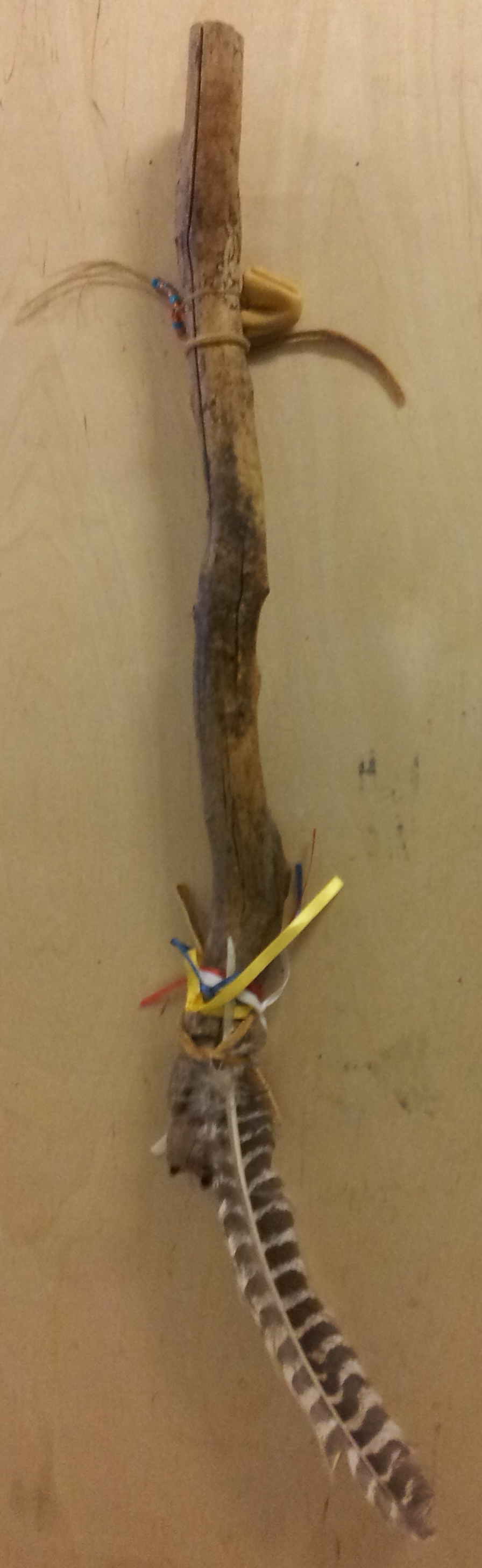
The wood is driftwood which came from a local lake and reflects nature’s contributions to the circle. Someone carved a bear head into the top of the stick. In some traditions, the bear symbolizes courage, freedom, and power. The feather is from a hawk. Hawks are visionary and guide the person. The coloured ribbons represent the four directions in the circle. The parent attached a medicine bag. The medicine bag heals, guides and protects, and has materials or objects of value to its carrier.
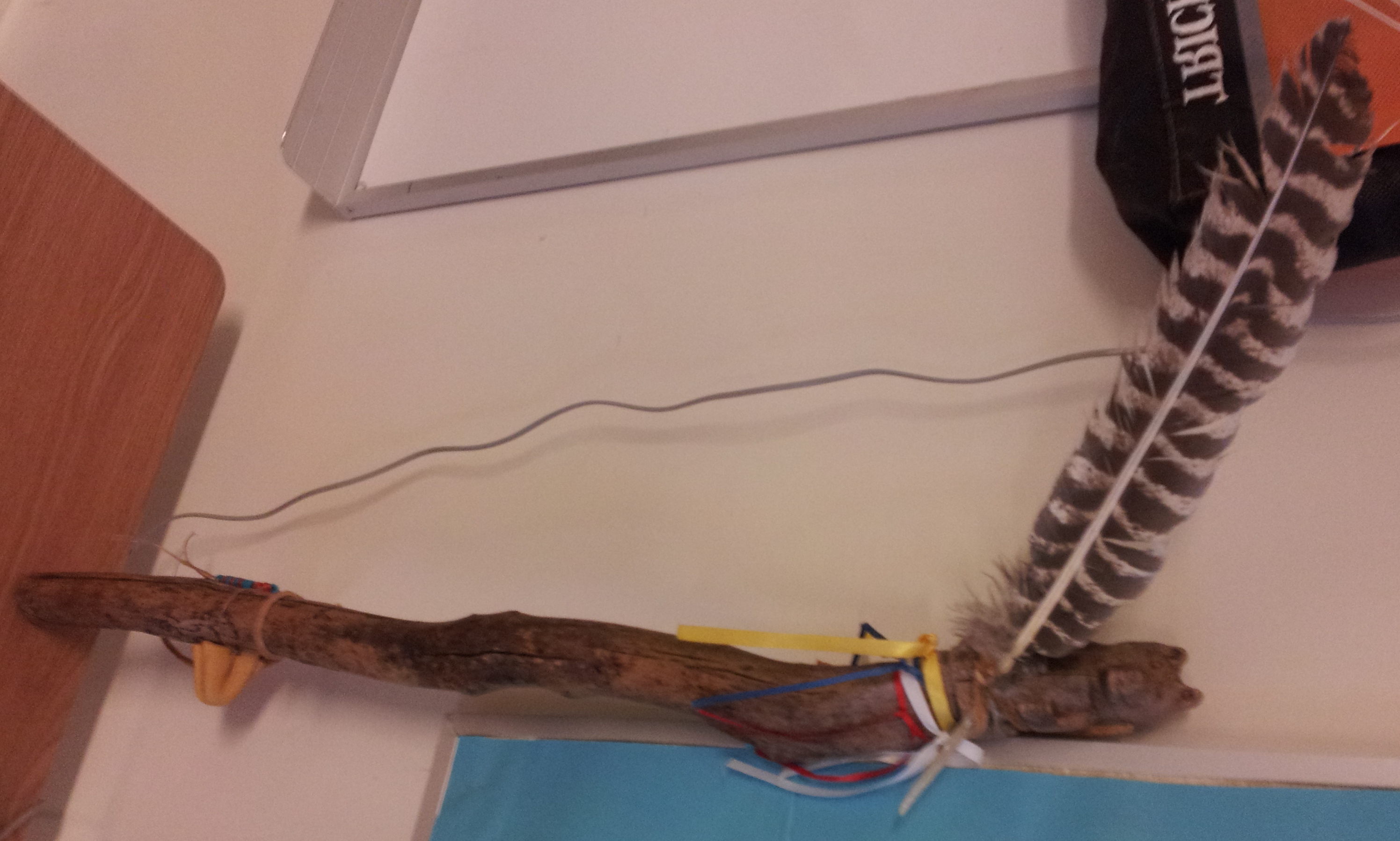
The Sun Set Tree
Kathy took this at the farm the other day. She called the Sun Set Tree. The sun briefly reached out and shone some rays down on an otherwise dreary day.
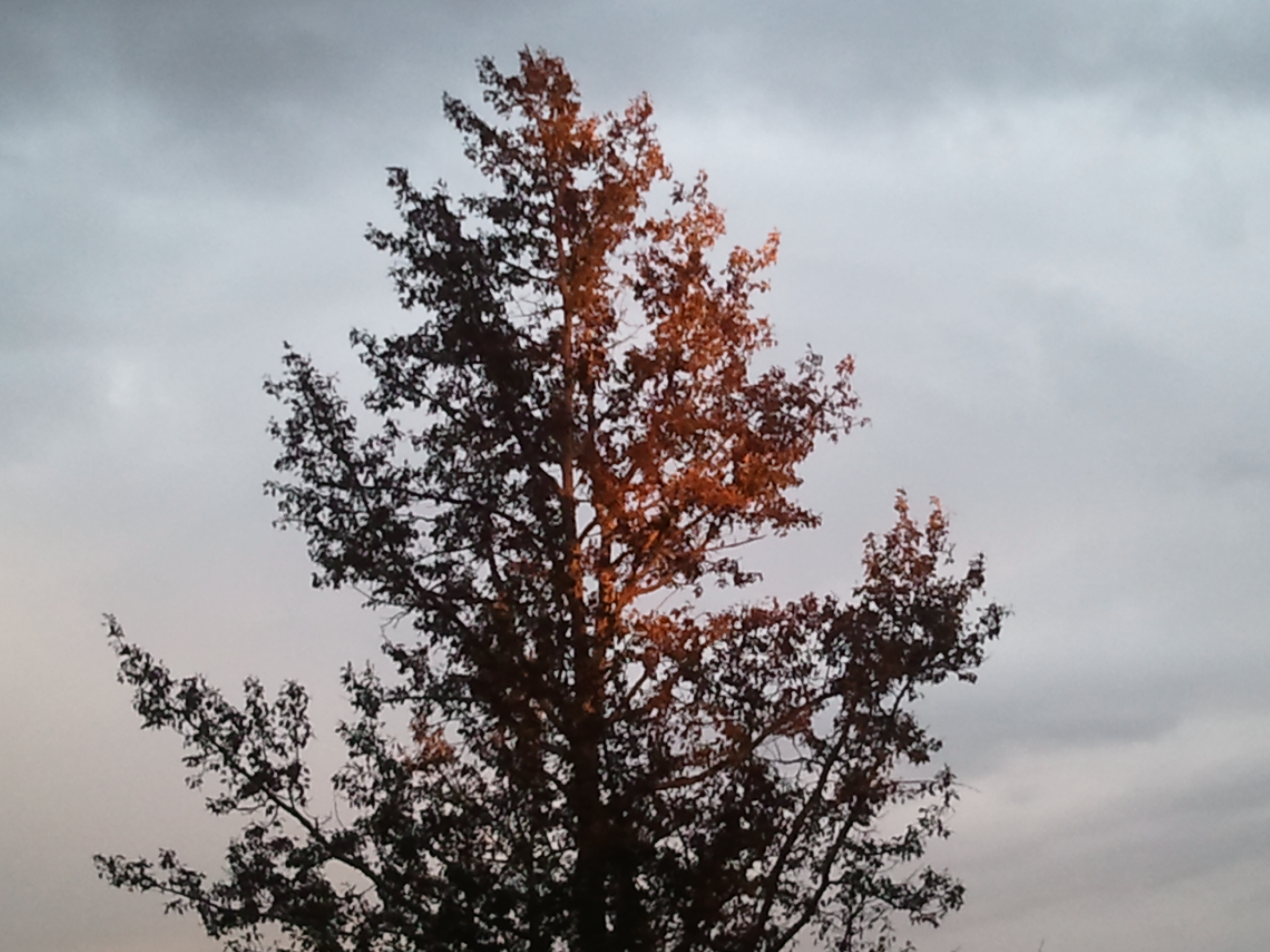
Blurry silhouette
Unnoticed against leaden backdrop
Feel so lonely.
The sun smiles gently
Shares tentative rays.
I receive its warming glow
Gather strength.
Reveal that hidden among shadows
Stretch boldly.
Smile with Brother Sun
A sacred moment.
The Booker Award
I compare the world of blogging to living in a small community. We meet each and acknowledge each other. We get to know some people better than others, but recognize something unique in each other.
Mimi from Waiting for the Karma Truck recently honoured me with The Booker Award and I am grateful she recognized me.

I look forward to Mimi’s each day. She shares various gifts and lessons from life, work, and, family. She provides wisdom drawn from those sources through her blog, public presentations, and writing.
The fun and challenging aspect of this particular award is to list my five favorite books. Similar to Mimi I can’t do that, but I offer five books which I found compelling at some point. I enjoy reading and this list is sorely incomplete. I read very few fictional books, but that is a product of the doctoral journey I undertook.
The Alchemist – Paolo Coehlo (actually any book by this Brazilian author is a worthy read).
To Kill A Mockingbird – Harper Lee (I cheated and left this on from Mimi’s list, but it was and remains an outstanding social justice reminder).
The Executioners – John D. MacDonald (I read almost anything by this author. This book became Cape Fear, but he is famous for a pulp fiction character Travis McGee).
The Courage to Teach – Parker J. Palmer (I first read Parker Palmer’s Let Your Life Speak before returning to university for my education degree and read this author extensively.
Why I Wake Early – Mary Oliver (I could have included a number of this poet’s books or books by Wendell Berry, Billy Collins, Robert Frost, etc. I love poetry).
I nominate others who I hope can add into our libraries and expand our literary worlds. I tried to expand and move beyond those who received earlier awards from me. I think their blogs are diverse and we will receive a range of new ideas for our ‘cosmic library.’
I tap into the libraries of:
The Establishment
Kathy was at the farm this weekend and found school notes she thought came from about Grade 10. I promised I would not say what year, but I was taken aback by how little things change over time. The “angry young poet” emerged from within.
The Establishment
They know best for the rest
Indoctrinate
Not change
Recall non-existent good old days.
Disagreement
Simply wrong-headed
Rebels
Who are we to question?
They have it made
Material wealth
Exclusionary tactics
Depend on them to know best.
Maintain existing order
Demand allegiance
Or cannot enter
Fail to practice what preach.
Focus
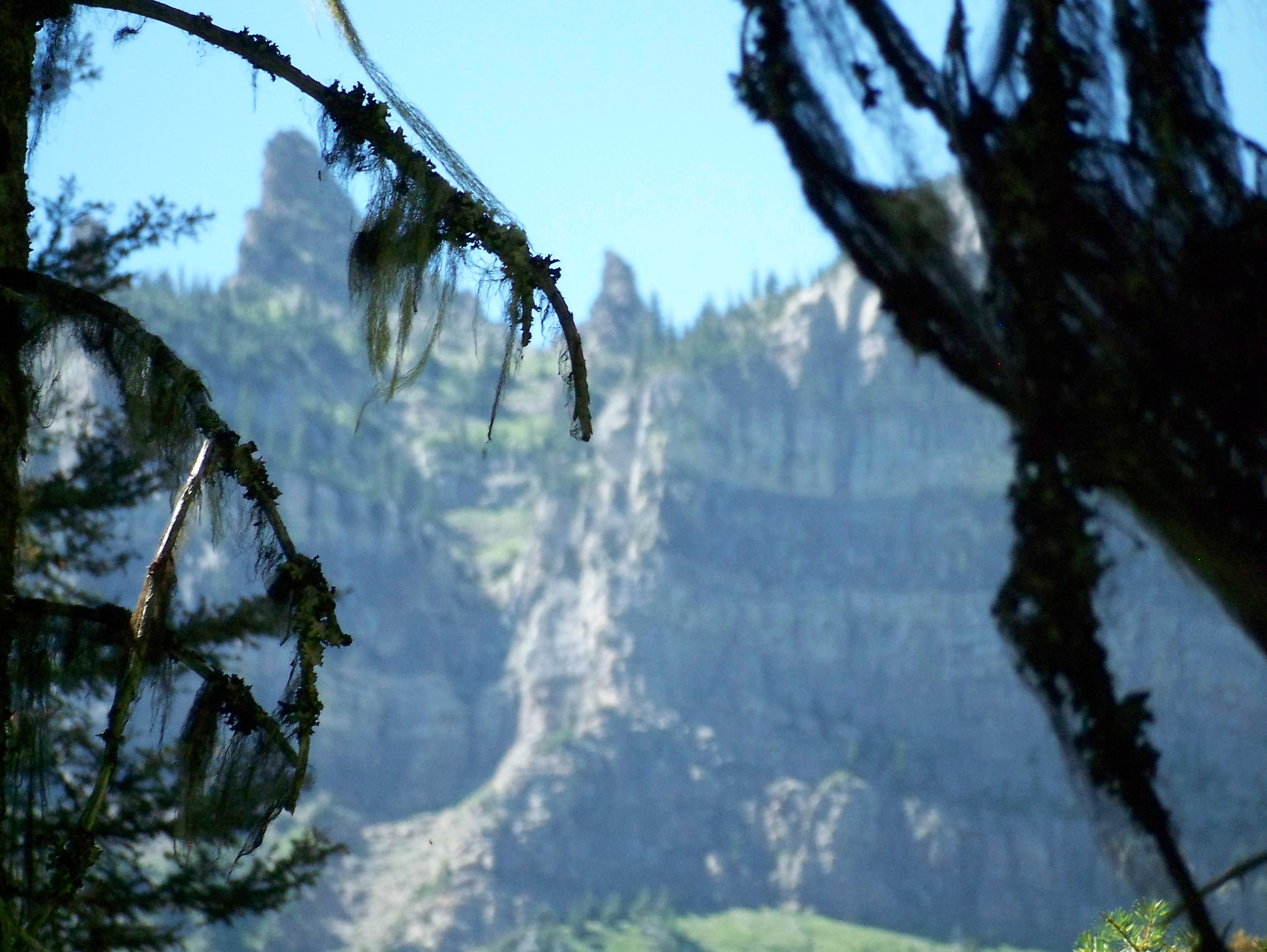
I keep blurry pictures. They remind me life is not always in sharp focus and there are times to step back, pause, and reflect.
The spirit wearies
A voice from within speaks
Seeks reflective time.
Quietly turn inward
Listen to an inner voice
Seek counsel and wisdom.
Pay homage and celebrate
While pain reveals character
New paths carved into wilderness.
Cherish each moment’s gift
Arrival and departure
Grateful for life.
Mount Robson Provincial Park – British Columbia
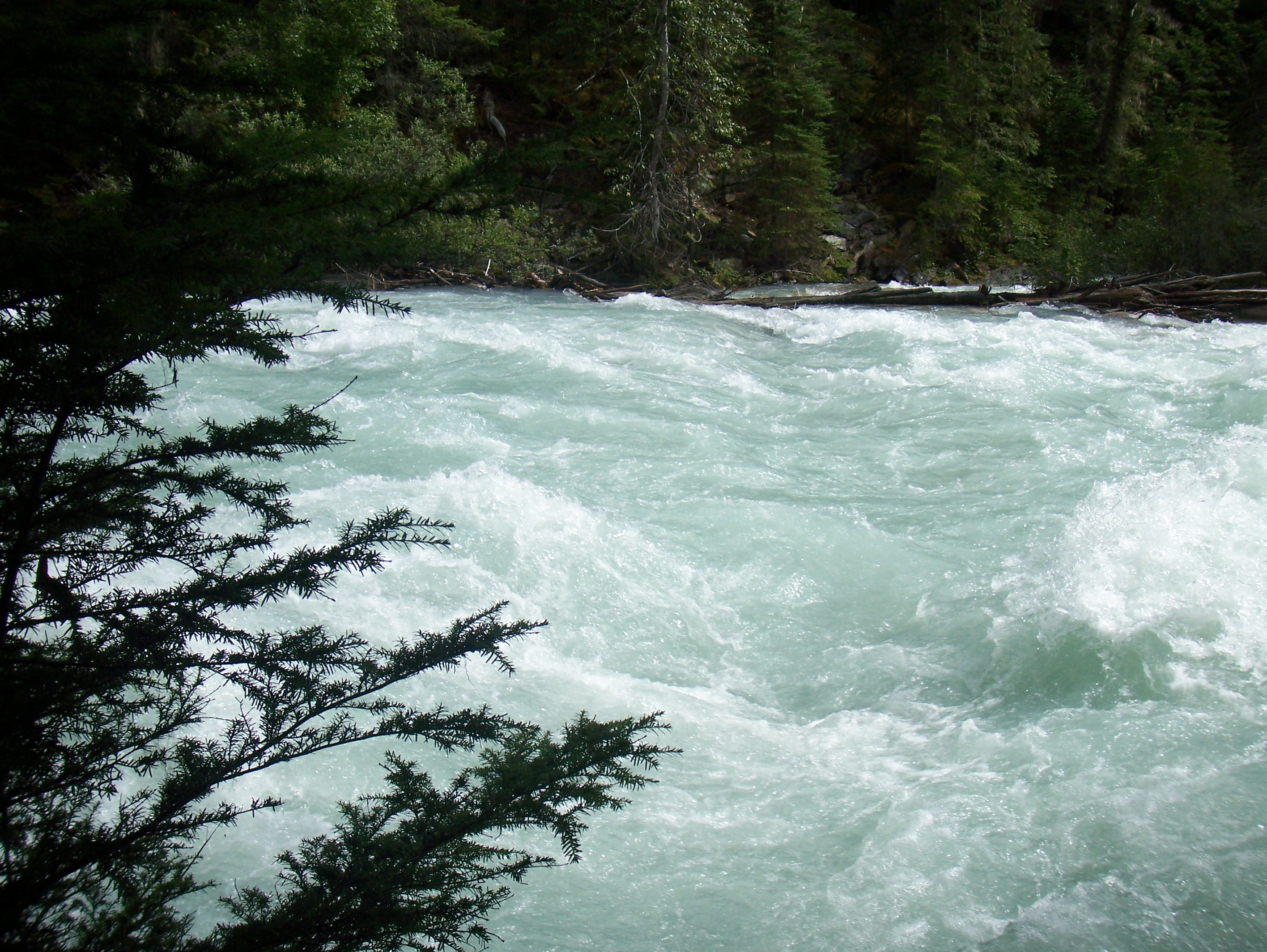
We stopped several times in Mount Robson Provincial Park. I find an advantage in most Canadian provincial parks is the accessibility of many of the featured places. Our first stop was at the visitor centre at the base of Mount Robson. We walked a few hundred metres up the Berg Lake Trail. The headwaters of the Robson River are located at the base of the mountain and begin with Robson Glacier. The river runs fast and has many areas where rapids and small waterfalls flow. The colour of the water is a product of the rock particles the glacier scrapes from the bedrock it passes over.
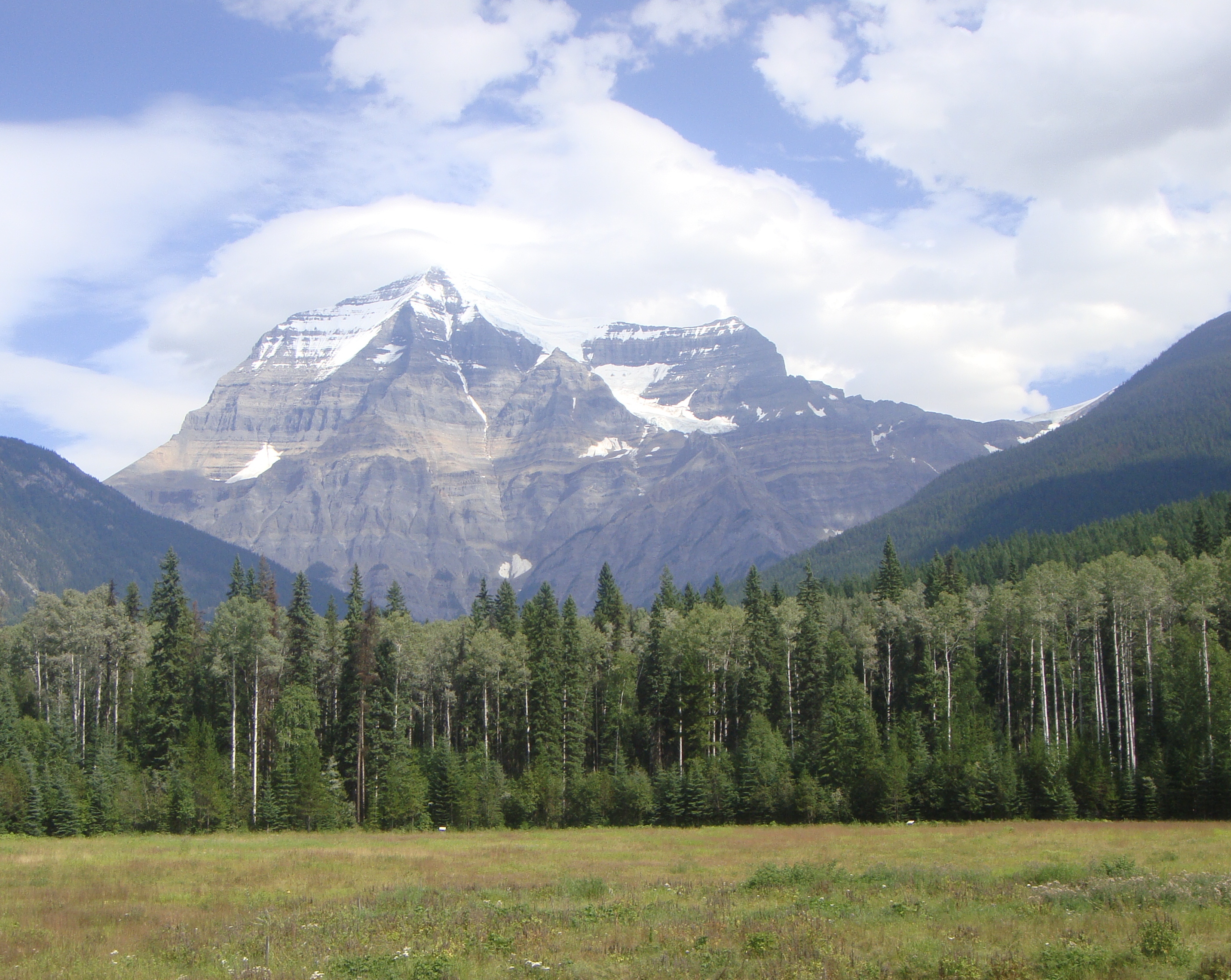
Mount Robson towers above the valley and dominates the skyline. It is not always fully visible, but is still the most imposing feature of this area.
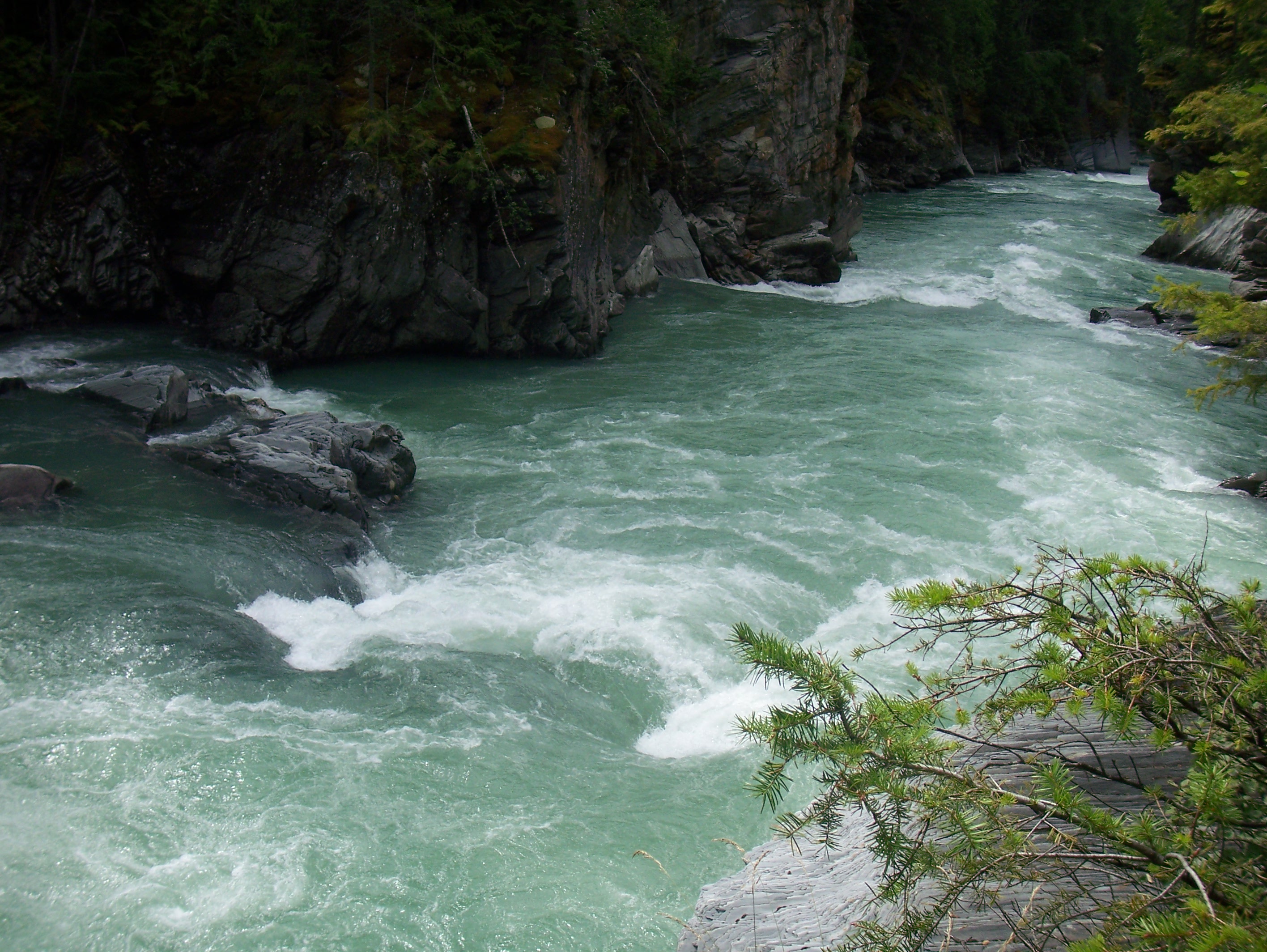
We stopped again at Overlander Falls which is on the Fraser River below its confluence with the Robson. These falls are less spectacular than others we have seen, but even I was able to get down to the viewing area. They are about 10 metres tall and 30 metres wide.

A person realizes the slope of the river when they look at a picture of it below the falls. We captured the blue-green colour of the Fraser closer to its headwaters in these two pictures.
Our next stop was at Mount Terry Fox. Terry Fox is a Canadian hero who began the Marathon of Hope in St. John’s Newfoundland on April 12, 1980 by dipping his artificial leg in the Atlantic Ocean. He lost the leg to his first battle with cancer and had to stop the marathon on September 14, 1980 near Thunder Bay due to a relapse. He passed away at the age of 23, but left an important legacy for Canadians.

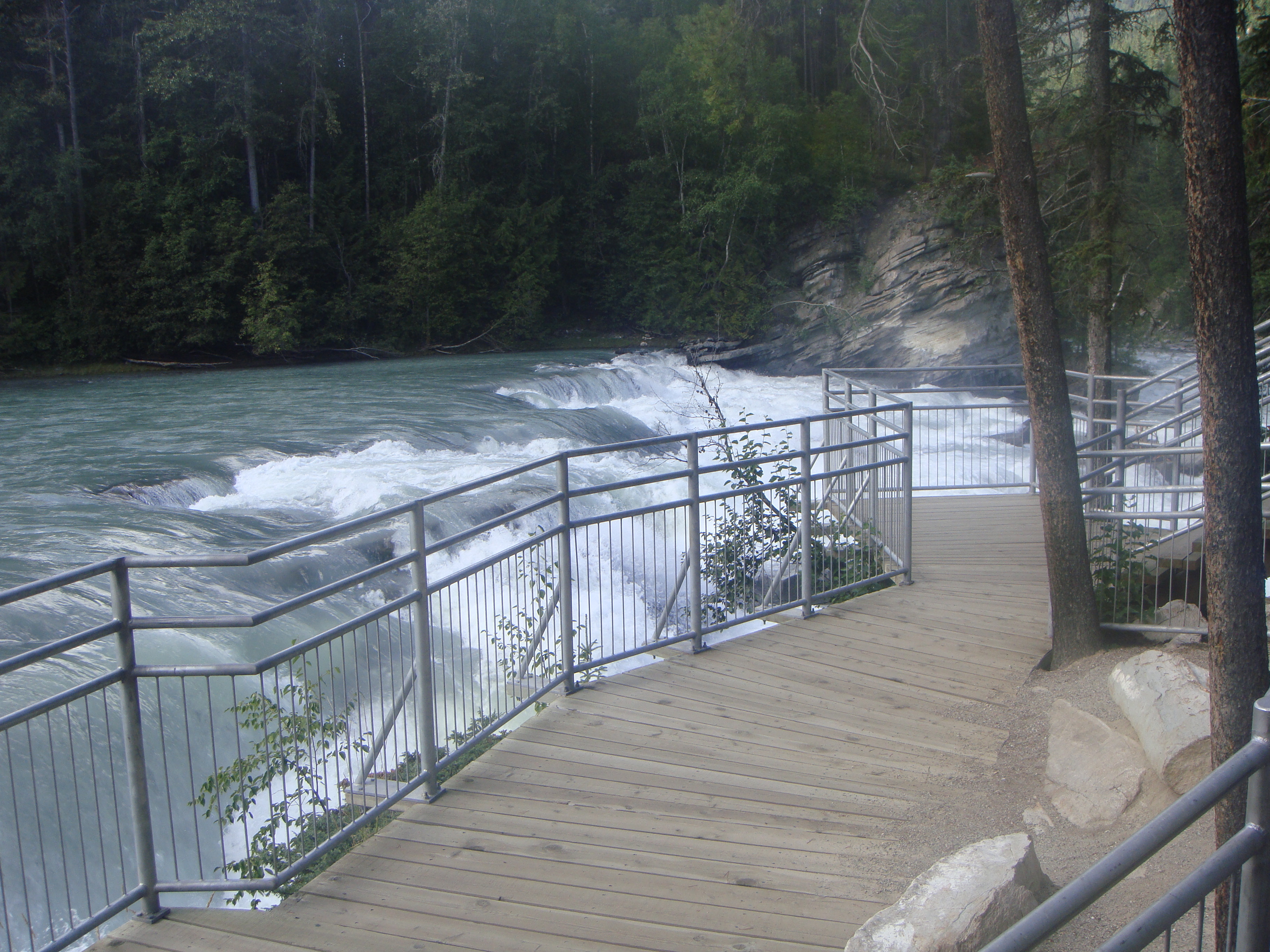
Our last stop was at Rearguard Falls which are at the top of the hill before Tete Jaune Junction. These falls are quite wide and hard to get good shot from above them. We took this picture at the bottom of the trail and stairs. It was still hard to do justice to the width of the falls.
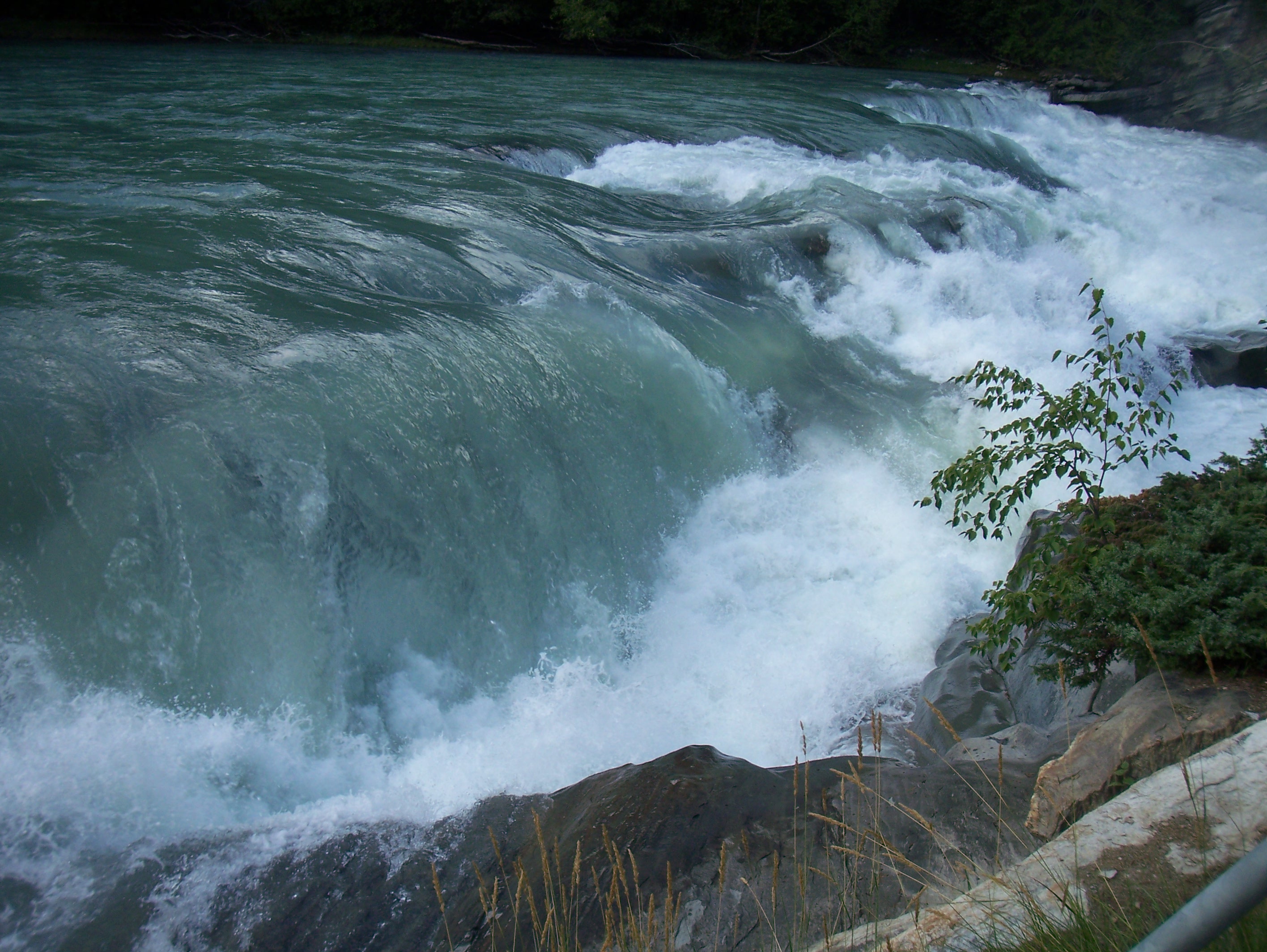
I was down at the falls level. The provincial parks people built a great set of stairs for the final foray to the bottom for me. I was not getting any closer, but this captured a bit more of the width of the river at this point.
It has been awhile since I reblogged a post, but I could not resist this one. David poses a tongue-in-cheek view of an emerging digital world. What are the implications? What are the unique qualities of community in the virtual world and which qualities do they share with traditional communities? I am looking at this as a topic area for my dissertation so this is humourous and thought-provoking.


Why Write Poetry
Yesterday, I read a haiku written by someone who appeared to not enjoy writing haiku. Despite this, the person wrote an interesting, amusing, and thought-provoking poem.
I am not sure this is verbatim but it goes somewhat like this:
Here are five syllables
And here I write seven more!
Are you happy now?
The person who presented this poem indicated that despite having written haiku they were unsure why teachers wanted them written. I think there are good reasons, but I could be wrong.
1. Poetry calls for the best possible word choices. Most poetry is simultaneously spare and spacious. The spareness is in the number of words; the fewer the better. The space allows the reader room for interpretation. What did the poet mean? What senses are invoked through the word choice.
Words chosen
Describe my moment.
No two experiences identical
A jungle of meaning revealed.
Each sense sameness different
Worlds bridged.
2. Students learn about figures of speech and their importance in expressing what we want to say. We can compare unlike things and make sense of a complex world.
3. I tell students who struggle with reading and writing poetry is an alternative way of expressing themselves. I use ee cummings as a model so they overcome their worries about grammar, spelling, and capitalization.
i dig ee cummings
no punctuation
no capitols
won’t worry about spellin either
no sweat
aint no problem
i write poetry
4. I enjoy poetry. I always have. I remember a poem, The Elevator, I memorized in Grade 4. I think it Walter de la Mare wrote it. My friend memorized a poem called Douglas Fir, because his name was Douglas. What my enjoyment means, is I bring enthusiasm to the process.
I believe we need to tell students what they are learning and the reasons they are important. But, then it might just be me.
Athabasca Falls August 2012
I posted before about Athabasca Falls, but Kathy and I were there this summer and I thought I would share new pictures.

This is a view looking up river. The river is fairly wide and narrows rapidly at the gorge.
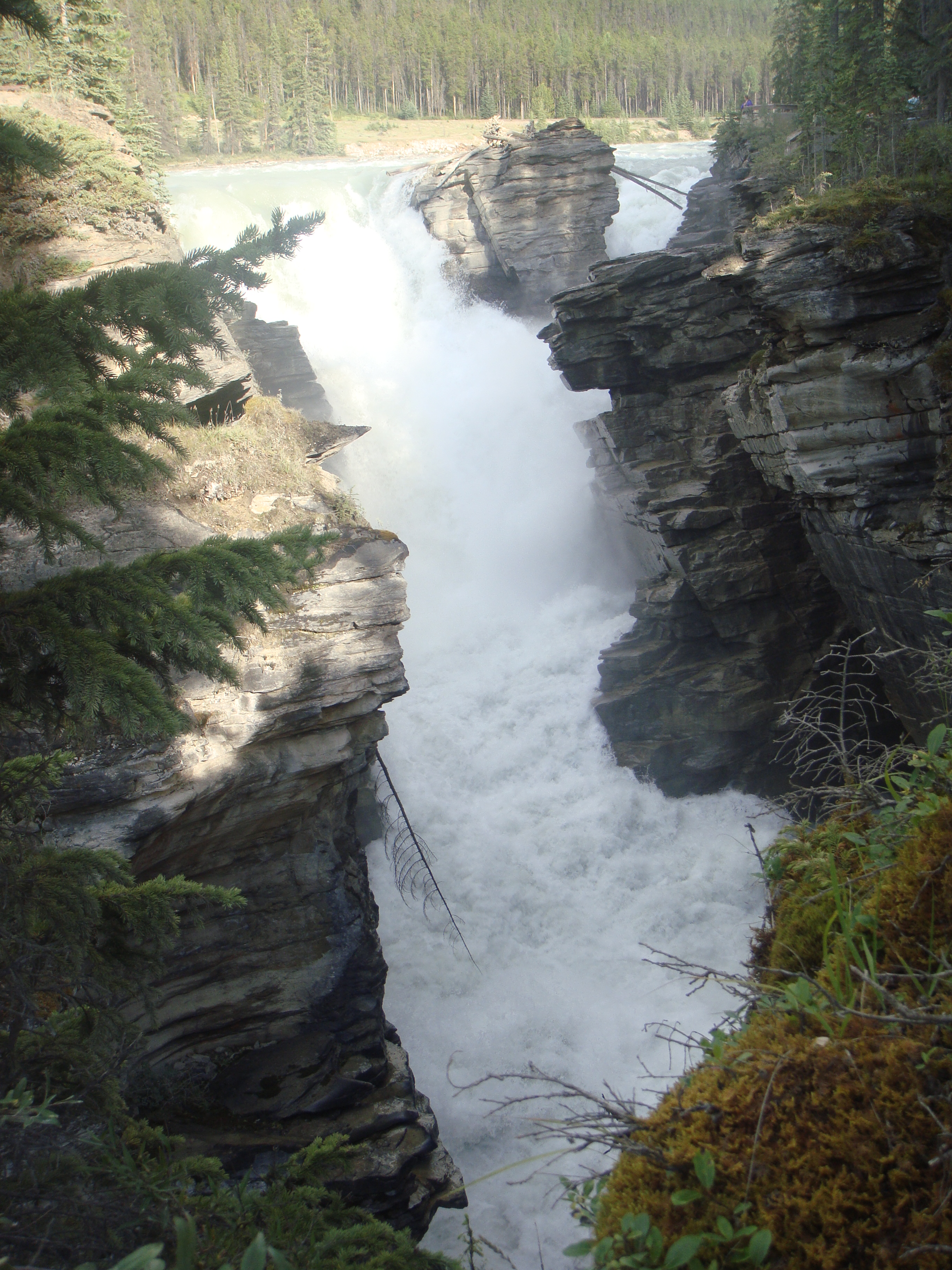
This is a view of the falls plunging into the gorge. According to the signs, the falls create, and recreate their path through the gorge constantly.
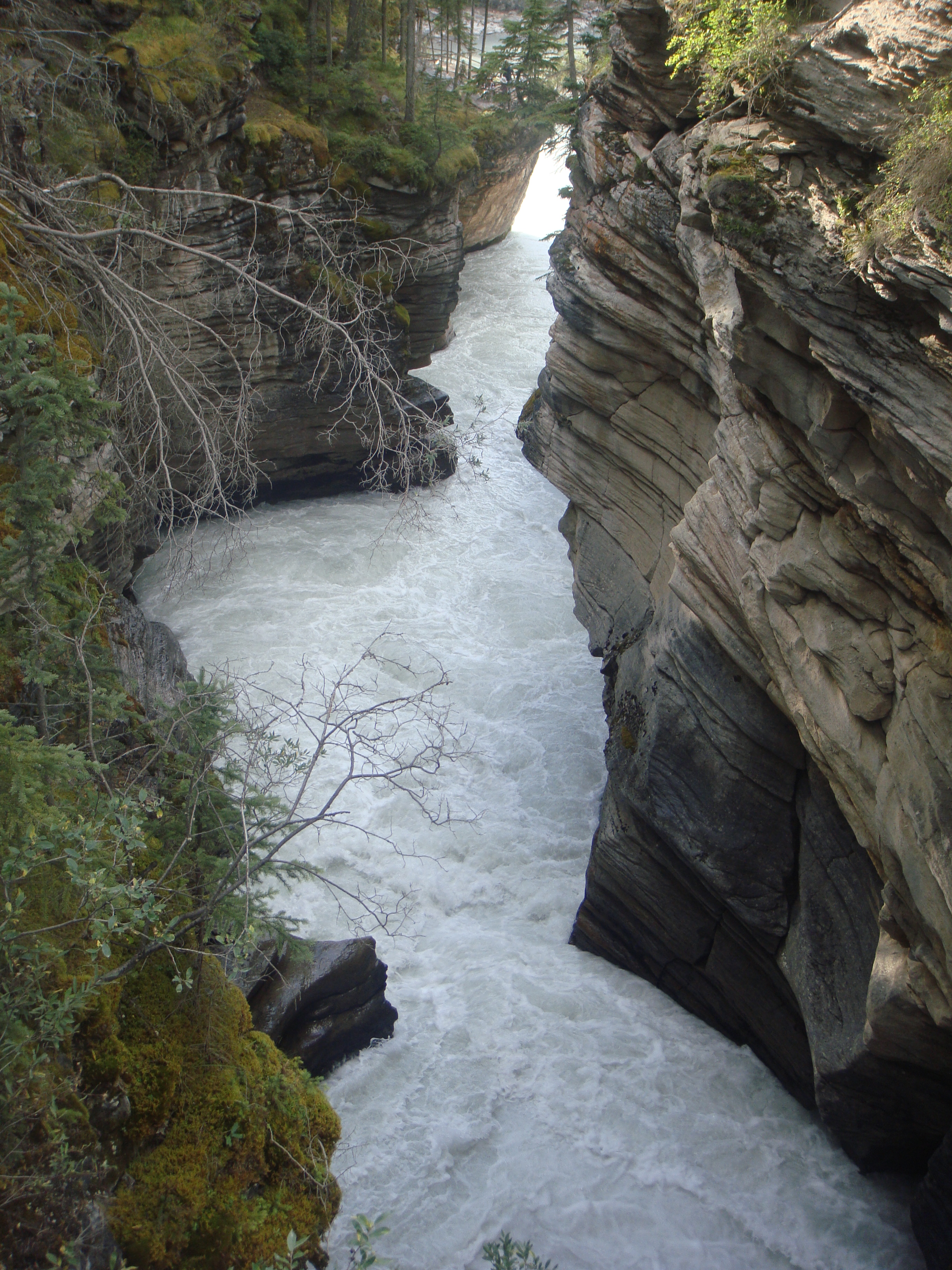
Kathy took this from the foot bridge which spans the gorge. I walked across which is a first for me. There are hiking trails on that side of the river that work their way further up-stream.
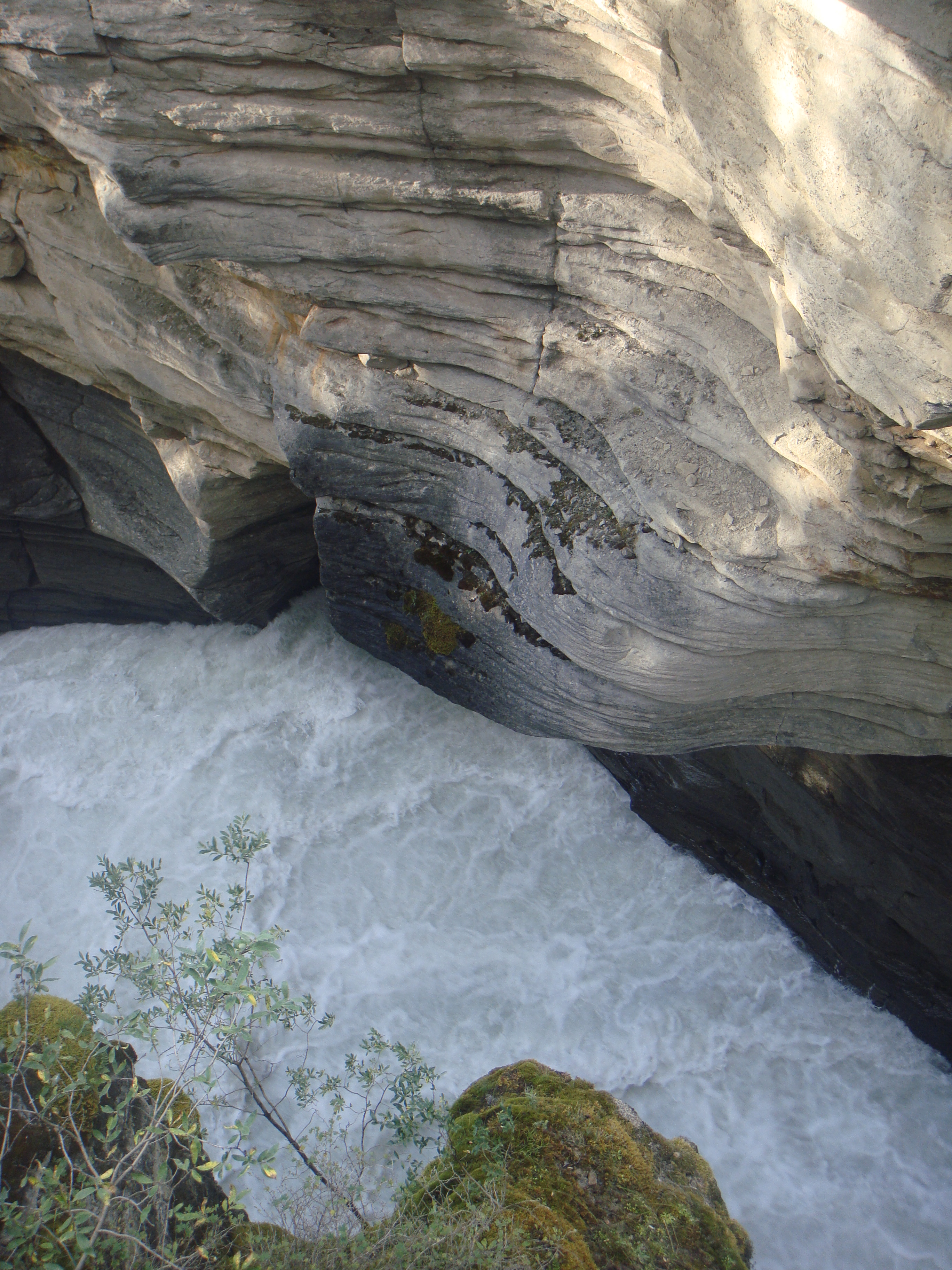
Kathy took this picture from the bridge to show the rings the water grooved into the wall of the canyon. It is like an old washing machine down there.

We got much closer to the falls on this side of the bridge. I got a much stronger sense of the power of the falls through the sound and the way it shakes the ground on that side.
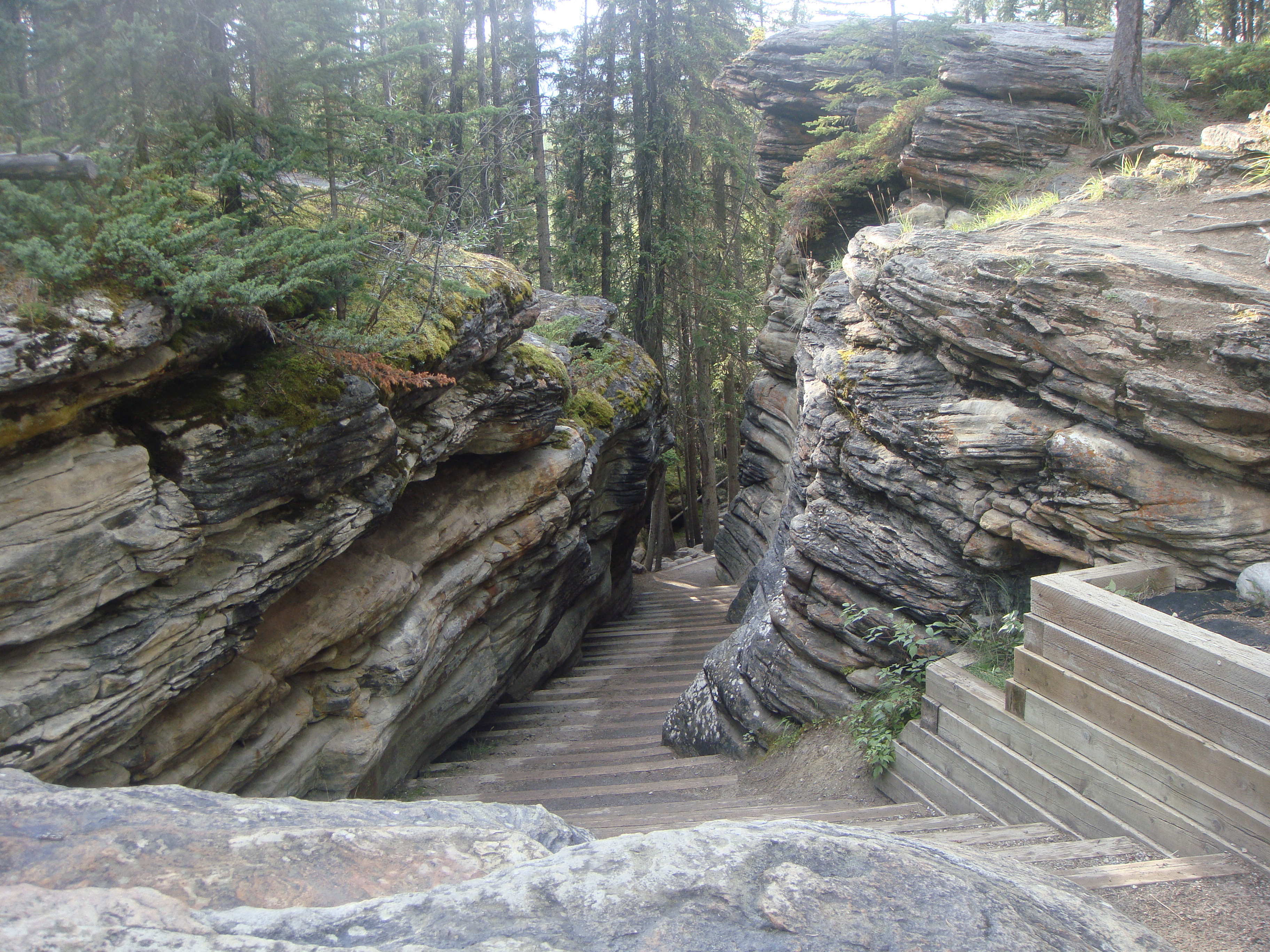
I walked down these steps which are an old channel for the river and the falls. The water carved a new path and abandoned this one.


 Teacher as Transformer