Tag Archives: creativity

Sometimes

I registered to attend David Whyte’s retreat called Poetry in the Woods in November. His poetry speaks to my heart and the retreat is about being in touch with the heart.

I spent considerable time today talking about what I love: teaching and learning. I know I will miss each of them and want them in my life in some form. What I do not want is to be involved in teaching and learning focused on rules and not children. It is important for me as I enter this phase not to assume answers, but to be open to questions, particularly prickly ones. They are the ones I sometimes turn away from. I need to turn to them, receive them, and hold them gently.

I need to let questions find a space to emerge. which suggests less trampling through the forest and more quiet approaches. It is where the wisdom appears from, those questions which need my silence to be heard.

Sometimes

if you move carefully

through the forest,

breathing

like the ones

in the old stories,

who could cross

a shimmering bed of leaves

without a sound,

you come

to a place

whose only task

is to trouble you

with tiny

but frightening requests,

conceived out of nowhere

but in this place

beginning to lead everywhere.

Requests to stop what

you are doing right now.

and

to stop what you

are becoming

while you do it,

questions

that can make

or unmake

a life,

questions

that have patiently

waited for you,

questions

that have no right

to go away.
I Believe in All That Has Never Yet Been Spoken

I am getting back into a groove after my first full week home. I let things flow a bit this week. Rilke suggested letting go or not contriving in this poem. When I don’t over plan, I find I am more open and accept the flow of things much like the beginner’s mind of a child. Watching children engrossed in play is a reminder that can happen for me as an adult and, as it does, the river widens and flows in every widening channels. Life becomes somehow larger, but not in an explainable way.

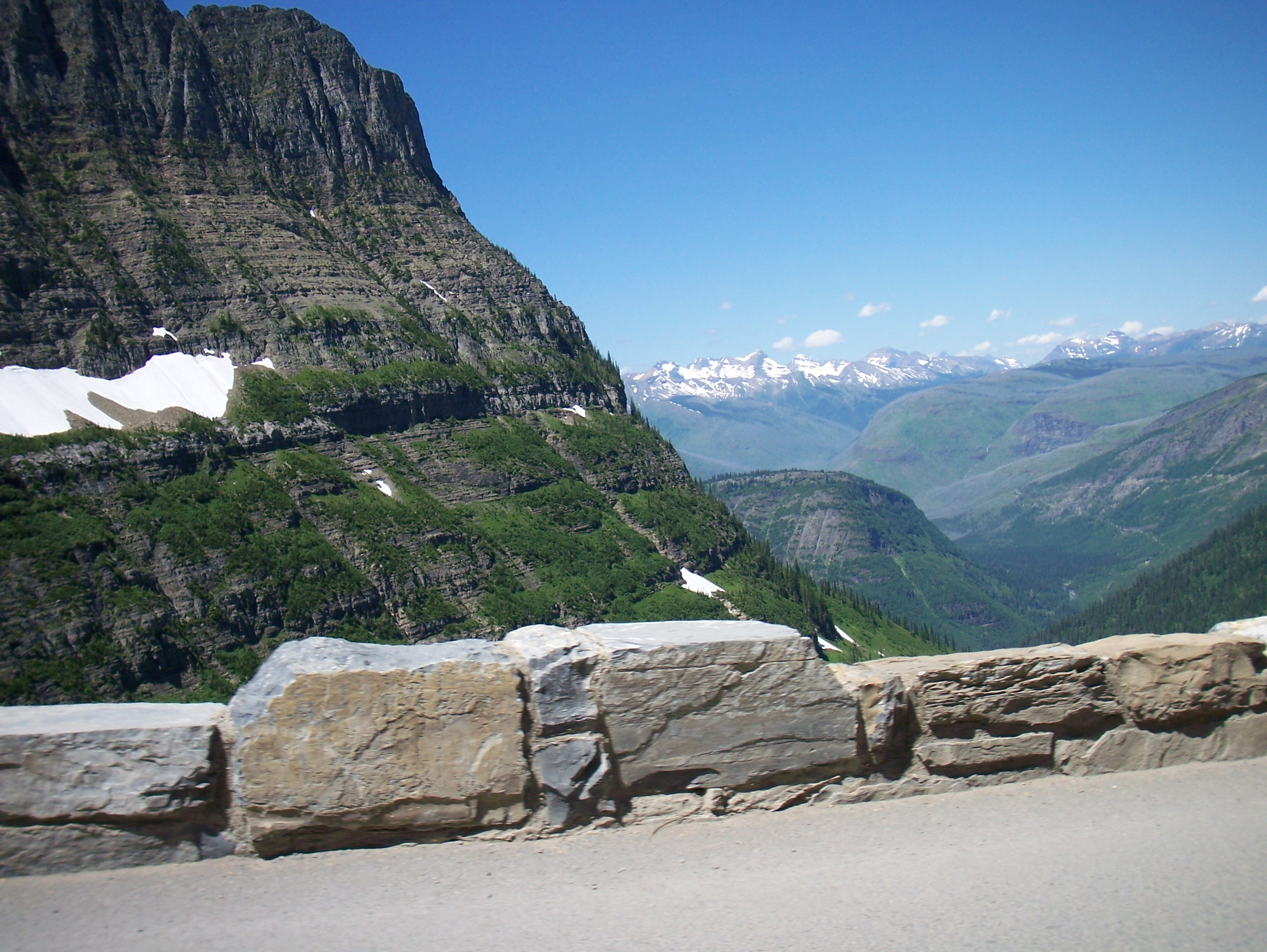
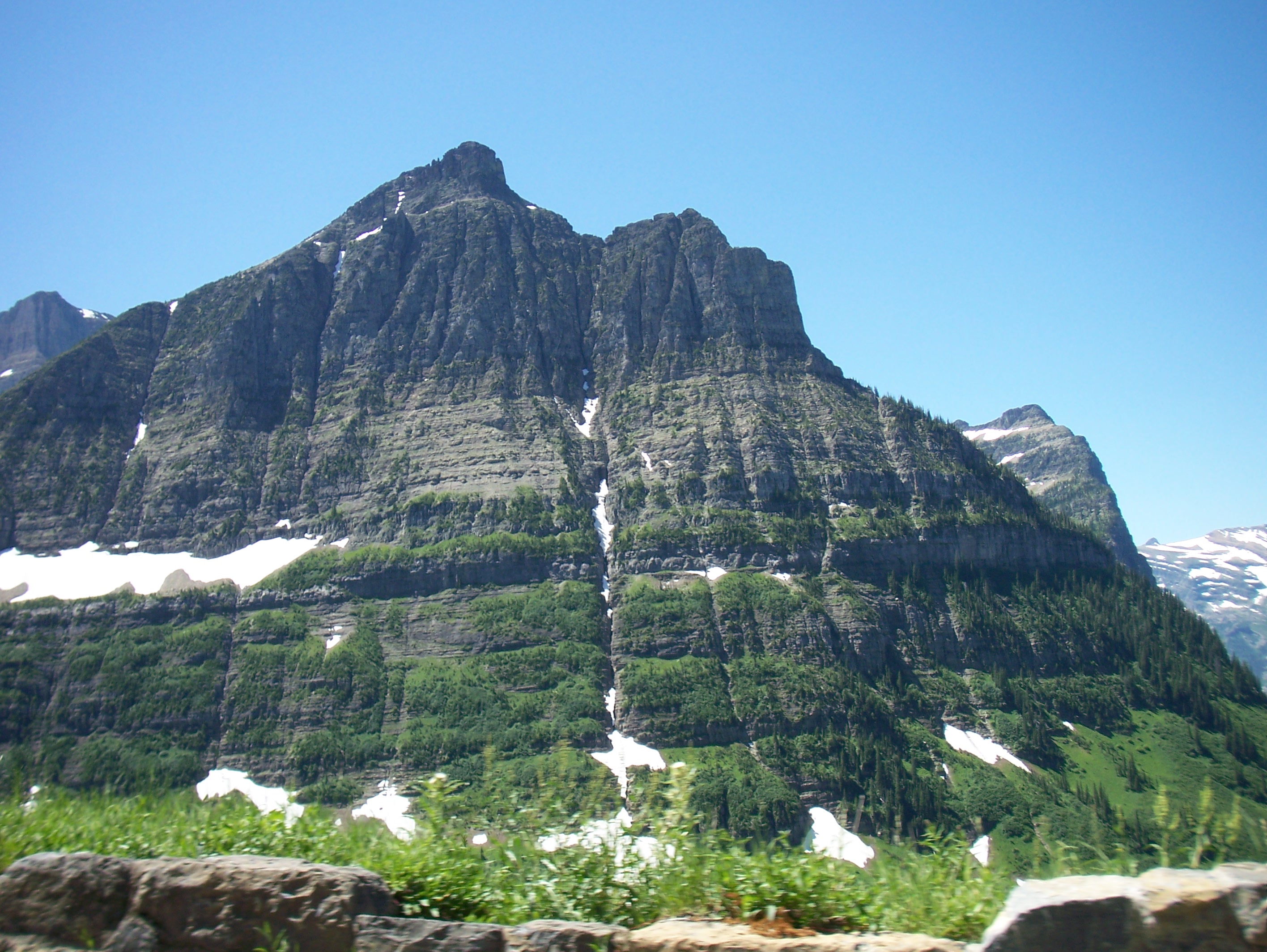
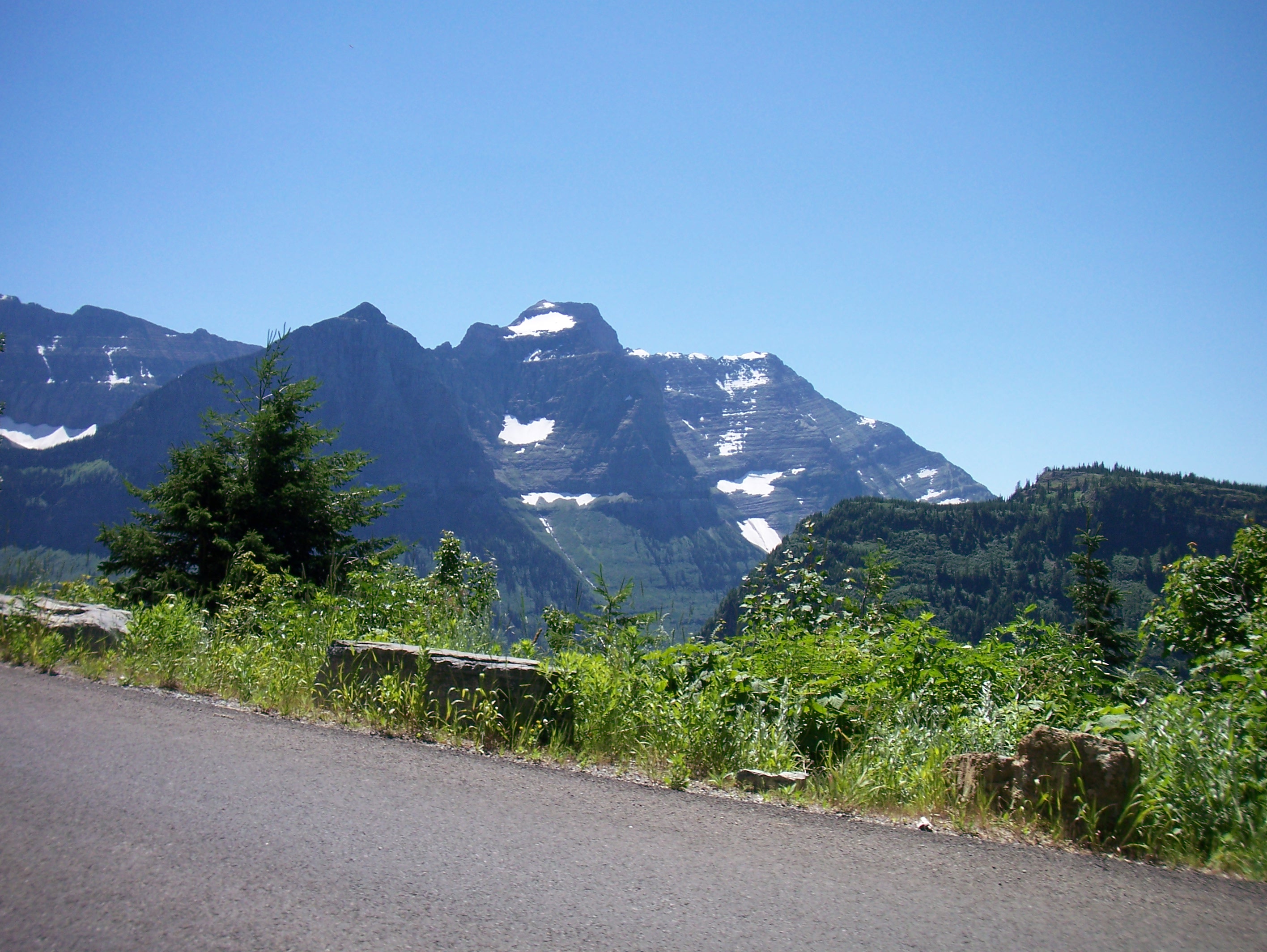
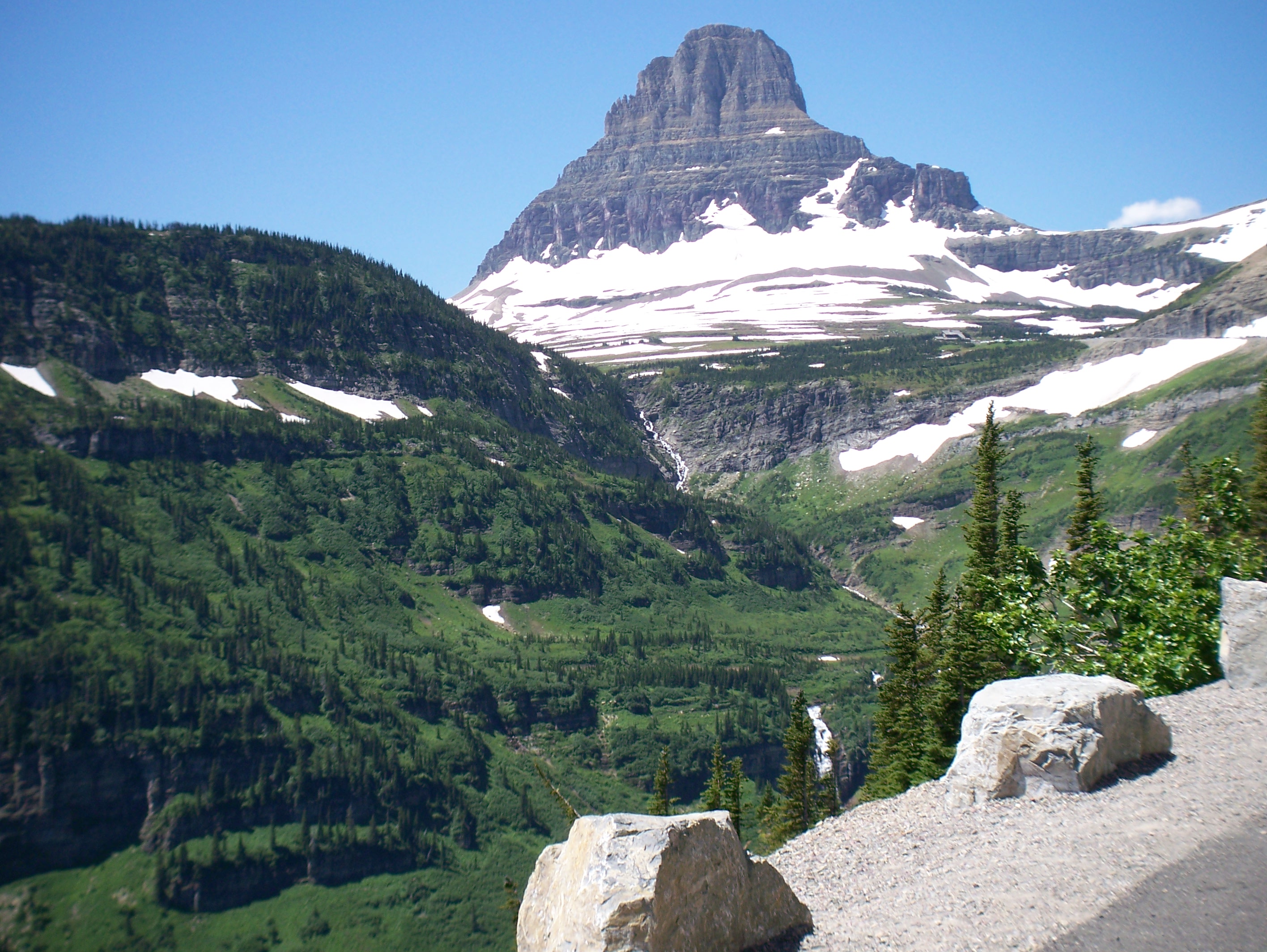
Posting images of our trip through Glacier National Park is believing in all that has never yet been spoken. Nature allows me to speak without using words. It is a palette of creation which speaks without speaking and shares without words. It just is and teaches through its presence.

The role of sabbath is to rest on the swelling and ebbing currents and rest in each moment. Perhaps, as I do, I take an expanded mind and soul into next week.

I believe in all that has never been spoken.

I want to free what waits within me

so that what no one has dared to wish for

may for once spring clear

without my contriving.

If this is arrogant, God, forgive me,

but this is what I need to say.

May what I do flow from me like a river,

no forcing and no holding back,

the way it is with children.

Then in those swelling and ebbing currents,

these deepening tides moving out, returning,

I will sing you as no one ever has,

streaming through widening channels

into the open sea.


Logan’s Pass

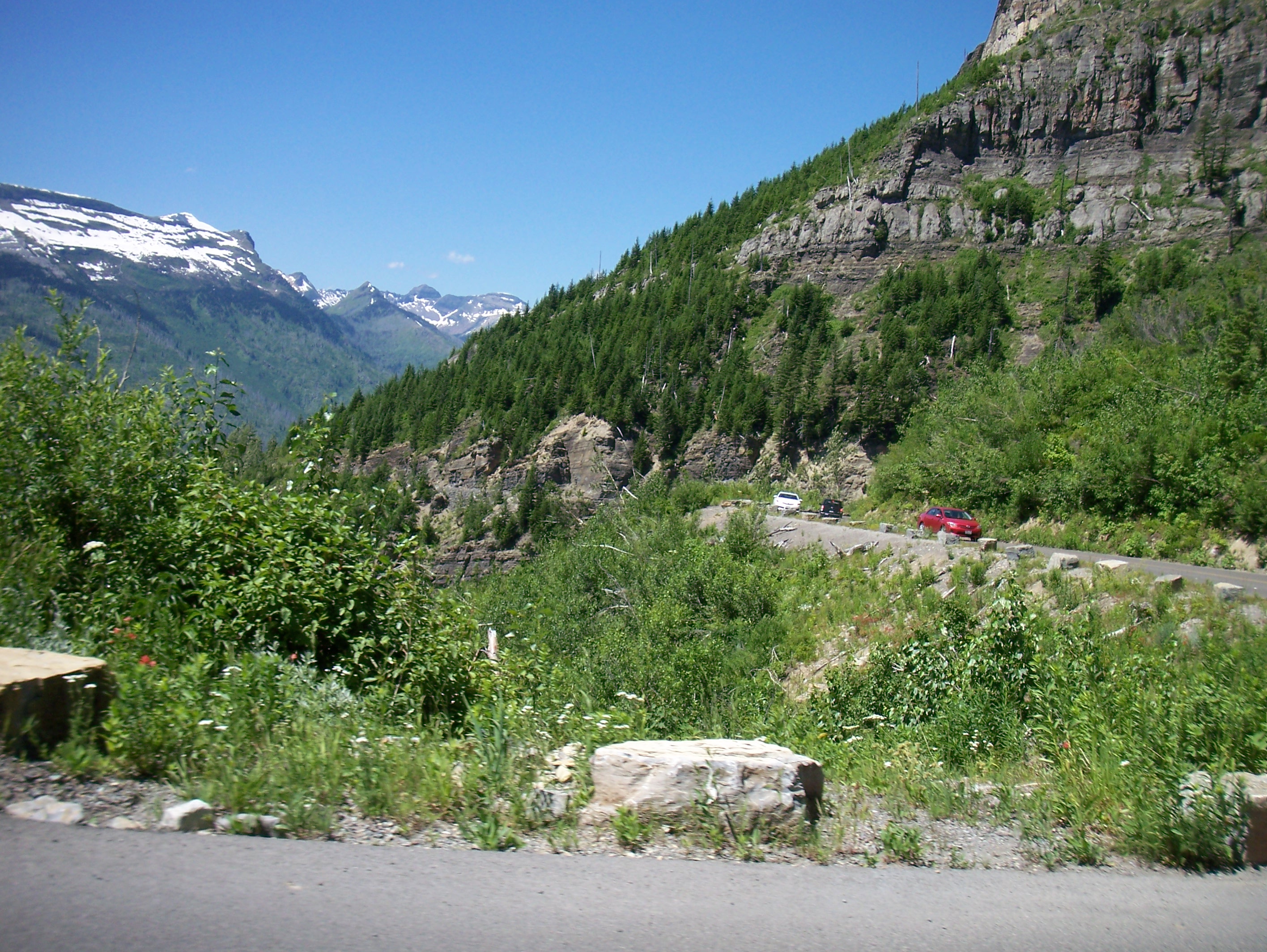
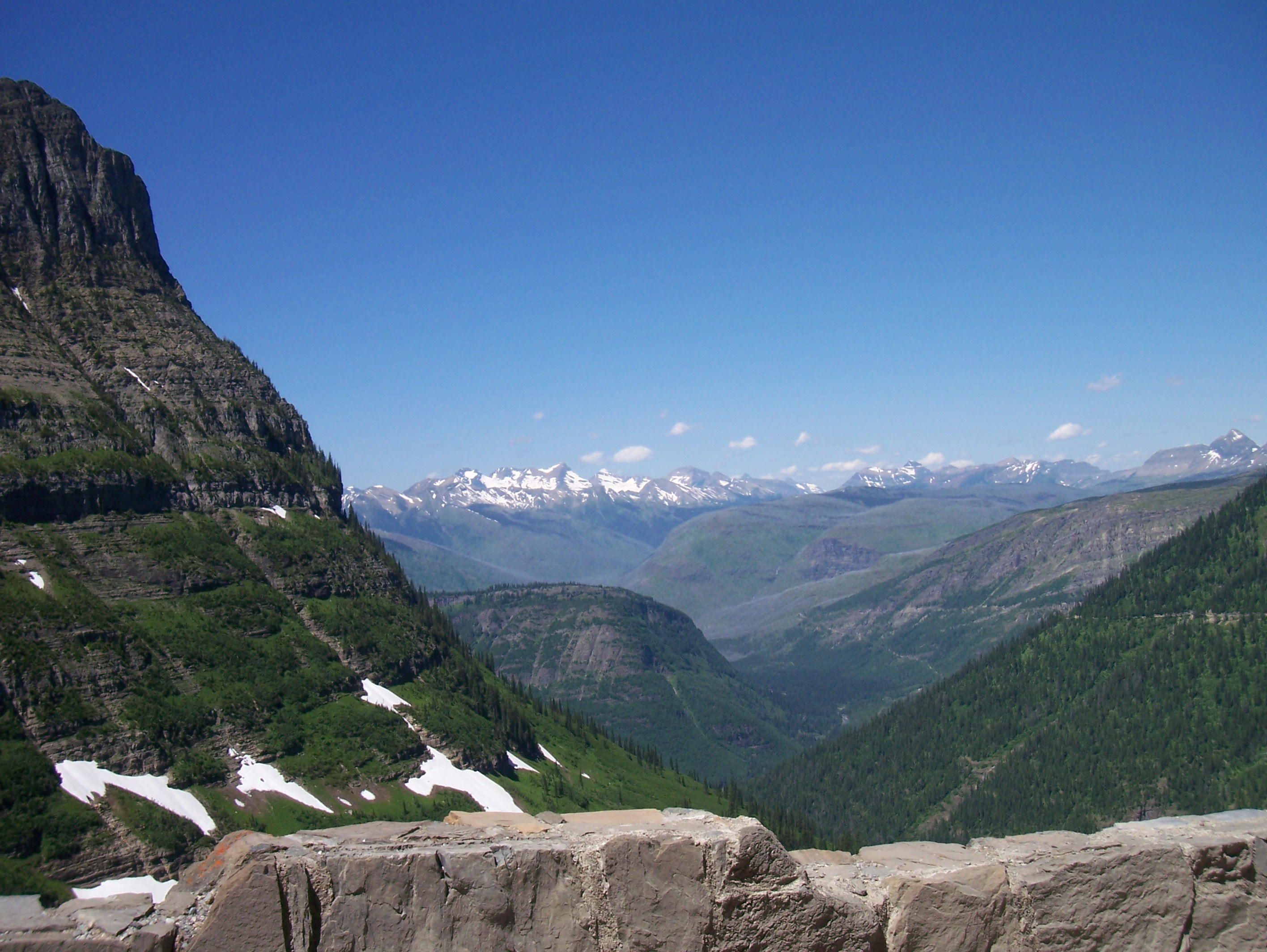
Logan’s Pass includes the Going to the Sun Road in Glacier National Park. When I looked, the view was spectacular and breathtaking.  The park was named for the many glaciers that are part of the landscape and so visible through Logan’s Pass. The glaciers are slowly receding and some estimates suggest they may be gone by mid-Century.

100_4747

Looking straight across from the road, you can see the ice and snow almost at eye level and further out is Jackson Glacier. The road is dotted with short barriers and are not very wide.

100_4757

The Montana sky is a constant backdrop for the mountains, the ice and snow, and the green in the foreground.

100_4765

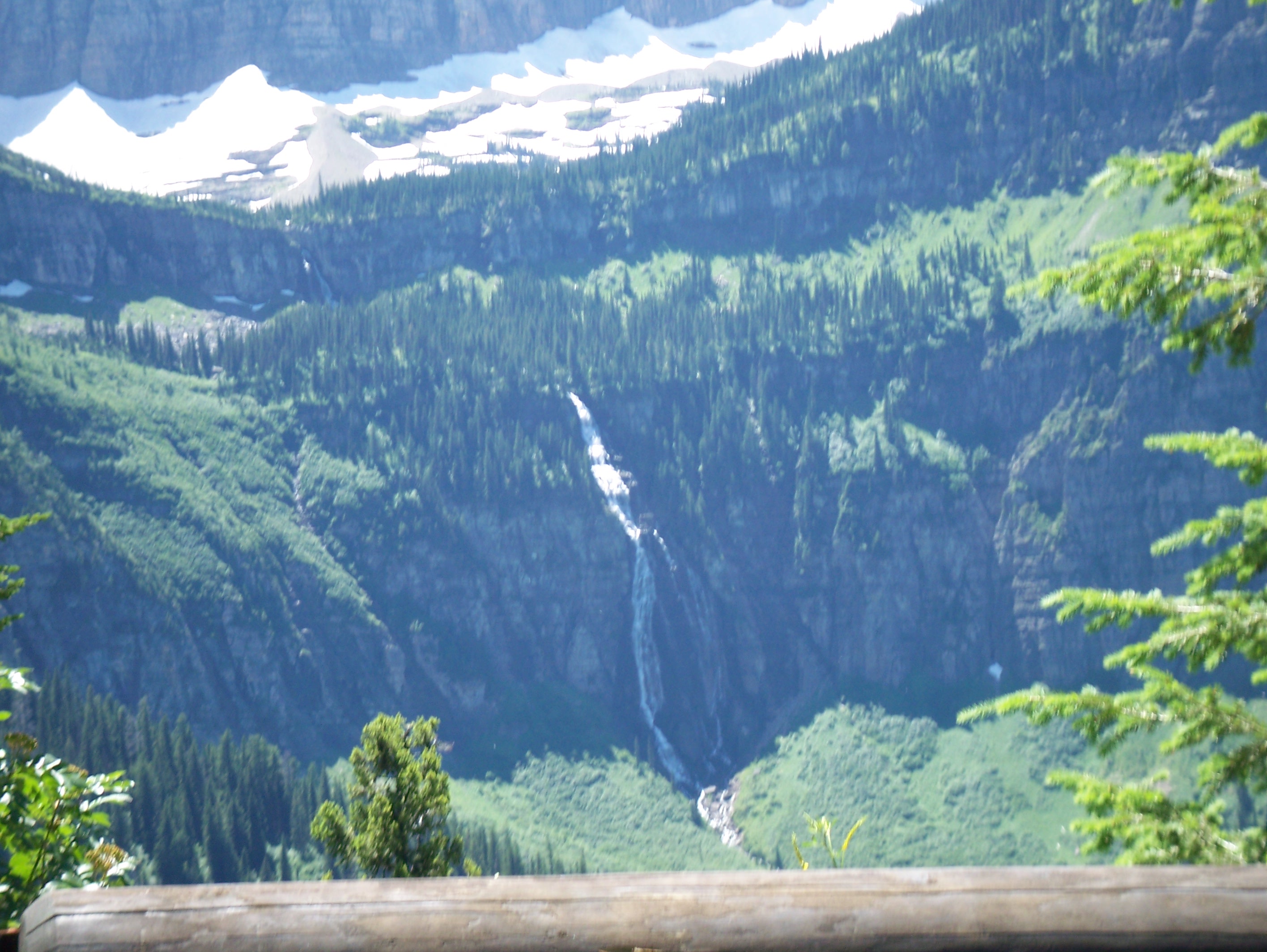
A person constantly feels like they are on the top of the world here. People refer to Glacier National Park as the Crown of the Continent and closeness to the tops of the mountains is a reason. Waterfalls are often in view.

100_4784

Here, there are no real barriers at the edge of the road.

100_4793

Kathy took this picture over her shoulder. It shows the switchbacks and curves in the road.

100_4794

I enjoy the contrast provided by the grey granite and the white snow and ice. There is stability and, at the same time, instability visible in nature. The granite looks like it forms a stairway to the top of the world.

100_4811

Glacier Park Mountains, Glaciers, and Logan’s Pass

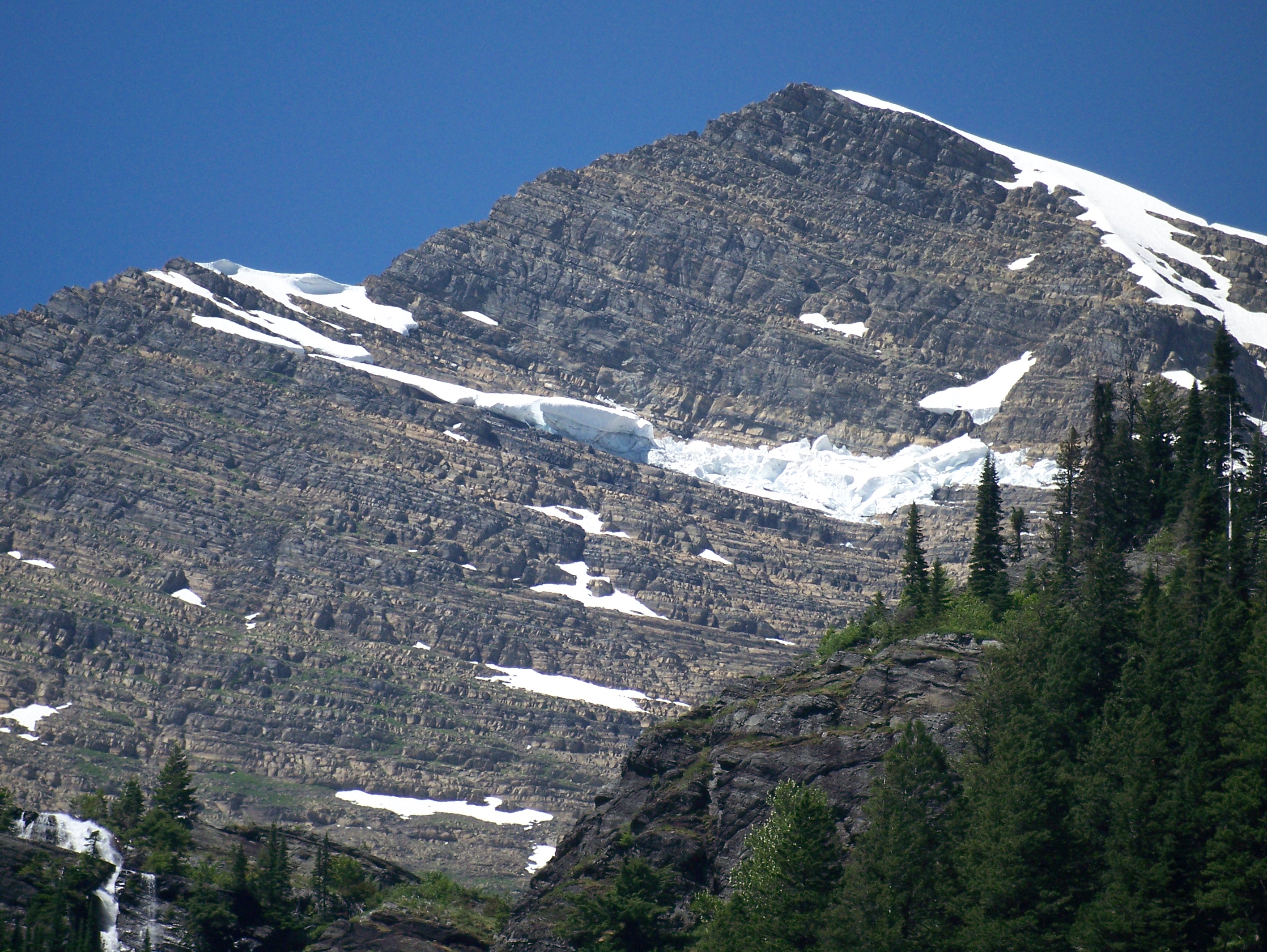
Kathy took most of these pictures driving through Logan’s Pass. Glacier National Park is appropriately named. Most of the white spots in the pictures are glaciers or snow pack. There are about 37 glaciers left in the park and most of them are receding or shrinking in size.

We came through the park a later in the summer, but there we saw some of the wildflowers in bloom on the way up Looking Glass Hill overlooking Two Medicine Lake. The mountains and lake serve as a spectacular backdrop. We walked around the lake later.

100_4724

This is looking downstream from Running Eagle Falls or Trick Falls. The glacier on the mountain would likely be considered one of the 25 active glaciers in the park. An active glacier is one that is 25 acres or more. Over 90% of the park is wilderness.

100_4717

This is Jackson Glacier. Although it does not look very high, it is deceptive. The roads climb well up into the pass and travelers end up closer to the mountain tops.

100_4740

This is the tourist stop in Logan’s Pass with the mountains in the background. Parking is at a premium here so we did not get to stop.

100_4750

Most of the pictures we took going through the pass were from the car without stopping. Again, the peaks are not much above the road level.

100_4758

Waterfalls ribbon the mountainsides as they are constantly fed by the glaciers.

100_4768

If you look closely at the picture below, you can see about 3/4 of the way up the road on the left side. It is a slight darkening. The middle of the picture, below the background peak, is basically where the road reaches the summit of Logan’s Pass .

100_4782

The Seven of Pentacles

Marge Piercy wrote of the time it takes to create what is good in life. In a fast-paced, hectic world, it is nice to view life as an ecosystem. Good things in life, those things I cherish, were nurtured and took time to appear. They depend upon many things to grow.

In the rich ecosystem, there is mystery and wonder. I ask, “What happened” and expect no definitive answers. I grow to accept it is good and healthy there are no answers and questions lead me forward, slowly and gently into the newness of each moment.

I took the picture at the farm earlier this spring. The tree in the centre is a woodpecker’s roost and, when I look, I see holes in the tree. A trail wanders through the underbrush. I ask who or what else uses the path? Who or what else lives close by? What are the connections? The lifeless tree sustains the ecosystem. Everything is important. I only have to let it be so. When I slow down, questions emerge and sometimes answers, but only occasionally.

Under a sky the color of pea soup

she is looking at her work growing away there

actively, thickly like grapevines or pole beans

as things grow in the real world, slowly enough.

If you tend to them properly, if you mulch, if you water,

if you provide birds that eat the insects a home and winter food,

if the sun shines and you pick off caterpillars,

if the praying mantis comes and the ladybugs and bees,

then the plants flourish, but at their own internal clock.

Connections are made slowly. sometimes they grow underground.

You cannot tell always by looking what is happening.

More than a half a tree is spread out in the soil under your feet.

Penetrate quietly as the earthworms that blows no trumpet.

Fight persistently as the creeper that brings down the tree.

Spread like squash plant that overruns the garden.

Gnaw in the dark and use the sun to make sugar.

Weave real connections, create real nodes, build real houses.

Live a life you can endure: make love that is loving.

Keep tangling and interweaving and taking more in,

a thicket and bramble wilderness to the outside but to us

interconnected with rabbit runs and burrows and lairs.

Live as if you liked yourself, and it may happen:

reach out, keep reaching out, keep bringing in.

This is how we are going to live for a long time: not always,

for every gardener knows that after the digging, after

the planting,

after the long season of tending and growth, the harvest comes.

Summer 2013

Those Images

Kathy went shopping and bought a book. It sounds mundane, but, when she opened the book, she found a small piece of paper with this Yeats‘ poem written on it. We are headed home tomorrow. We will take a few days, travel into Montana, across Glacier National Park, and head north. We will see some of the wild on that trip. I doubt lions will appear but a mountain lion might show up and maybe an eagle on the wing. Certainly, we find better exercise in sunlight and wind.

On the back or it might be the front of the slip, someone wrote the Gandhi quote: “Be the change you wish to see in the world and PEACE”.

What if I bade you leave

The cavern of the mind?

There’s better exercise

In the sunlight and wind.

I never bade you go

To Moscow or Rome.

Renounce that drudgery,

Call the Muses home.

Seek those images

That constitute the wild.

The lion and the virgin,

The harlot and the child.

Find in middle air

An eagle on the wing.

Recognize the five

That make the Muses sing.

The Niagra River

Gary sent me to this poem after I posted Test by Kay Ryan. I seek meaning in my life for those things around me. Other times I don’t pay enough attention, take things for granted, and do not realize the substance of what is there. Even something as large as the Niagara River can go unnoticed and blur into the background. When I pull it forward, its meaning is there, not explainable, but there. I am reminded that meaning exists even when I cannot explain it.

For those who have not visited Gary, you will enjoy his poetry. I do.

Normal
0

false
false
false

EN-CA
X-NONE
X-NONE

/* Style Definitions */
table.MsoNormalTable
{mso-style-name:”Table Normal”;
mso-tstyle-rowband-size:0;
mso-tstyle-colband-size:0;
mso-style-noshow:yes;
mso-style-priority:99;
mso-style-parent:””;
mso-padding-alt:0cm 5.4pt 0cm 5.4pt;
mso-para-margin-top:0cm;
mso-para-margin-right:0cm;
mso-para-margin-bottom:10.0pt;
mso-para-margin-left:0cm;
line-height:115%;
mso-pagination:widow-orphan;
font-size:11.0pt;
font-family:”Calibri”,”sans-serif”;
mso-ascii-font-family:Calibri;
mso-ascii-theme-font:minor-latin;
mso-hansi-font-family:Calibri;
mso-hansi-theme-font:minor-latin;
mso-fareast-language:EN-US;}

As though

the river were

a floor, we position

our table and chairs

upon it, eat, and

have conversation.

As it moves along,

we notice—as

calmly as though

dining room paintings

were being replaced—

the changing scenes

along the shore. We

do know, we do

know this is the

Niagara River, but

it is hard to remember

what that means.


Test

Test

Kay Ryan wrote this deeply spiritual and moving poem. It has a Zen, mystical quality. I am sure there is Something or Someone holding everything together. When something disrupts the ocean of universal consciousness and it goes a little off course or yaws, we feel only the slightest pull. A larger energy field absorbs the drops and warps. The adjustments occur in ways so we are not tested beyond our limits and find a path to walk.

Imagine a surface

so still and vast

that it could test

exactly what

it set in motion

when a single stone

is cast into its ocean.

Possessed of a calm

so far superior

to people’s, it alone

could be assessed

ideally irascible.

In such a case,

if ripples yawed

or circles wobbled

in their orbits

like spun plates

it would be the law

and not so personal

that what drops warps

what warps dissipates.

Harrowing

Parker Palmer wrote this poem with double-meaning in the title. I can live life as a process which ravages, furrows, and scars m face. Living in the past does this. Life is harrowing that way. Or, I leave the travails of yesterday as humis or humility as a foundation for a new crop. I can turn soil, make it richer, and create a greener world.

The poem reminded me of Gadamer‘s concept of fused horizons which is emerging as a central concept in my journey. We can build on the past by using it, good and bad, as a way of making the future a better place. Today’s view; this moment is the place we find our way from.

The plow has savaged this sweet field

Misshapen clods of earth kicked up

Rocks and twisted roots exposed to view

Last year’s growth demolished by the blade.

I have plowed my life this way

Turned over a whole history

Looking for the roots of what went wrong

Until my face is ravaged, furrowed, scarred.

Enough. This job is done.

Whatever’s been uprooted, let it be.

Seedbed for the growing that’s to come.

I plowed to unearth last year’s reasons—

The farmer plows to plant a greening season.

Ars Poetica

My writing is one-dimensional now. I wrote a lot this week. I spend 15-30 minutes everyday free-writing and do more formal writing for classes and dissertation. Nothing has popped up for new poetry, but I feel that will change over the next week or two. Slowly, I am finding that creative, meditative space that poetry occupies and speaks when I am quiet enough to hear.

I read earlier today and came across this poem by Archibald MacLeish. I am unfamiliar with the poet or poem, but the lines about poems being silent and wordless make sense. It is sometimes in the spaces between words that we find the greatest meaning. Here I find my soul. In those moments of silence, regardless their length I am present and attentive.

A poem should be palpable and mute

As a globed fruit;

Dumb

As old medallion to the thumb;

Silent as the sleeve-worn stone

Of casement ledges where the moss has grown–

A poem should be wordless

As the flight of birds.

A poem should be motionless in time

As the moon climbs;

Leaving, as the moon releases

Twig by twig the night-entangled trees–

Leaving, as the moon behind the winter leaves,

Memory by memory of the mind.

A poem should be motionless in time

As the moon climbs.

A poem should be to:

Not true.

For all the history of grief

An empty doorway and a maple leaf;

For love

The leaning grasses and two lights above the sea–

A poem should not mean;

But be.