Tag Archives: haiku

Tuned In and Fired Up

I mentioned this book in Culture of Peace and Angry Young Poet. It was worth a read. I start with a haiku which emerged from the book.


Who stretches the teacher?

Journey into their essence

Reveal the learner.

I read Tuned In and Fired Up by Sam Intrator for two reasons: as a teacher and as a graduate student preparing for the dissertation process. Sam contributes to the work of the Centre for Courage and Renewal which based on Parker Palmer’s writings and thinking.

The book is enjoyable, informative, and motivating. Teachers need to take time and pause, reflect upon, and recall the reasons they were called to teaching. There are alchemical moments of discovery we artfully use and define teacher, students, and subject. It is surreal and its magic can never be underestimated as the three blends into a single whole and respects individual integrity.

Part of the magic in this book is Mr. Quinn, the teacher. He took risks and students tuned in and fired up to his genuine presence. Parker Palmer, in The Courage to Teach, suggested “teaching is always done at the most dangerous intersection of personal and private life” (p. 18). Mr. Quinn’s teaching was learning and realized he could wrong. The magical aspect takes a teacher onto the boundary and, then, into uncharted waters. Good teachers take that risk and students sense it.

Towards the end Sam cited William Ayers: “Since teaching is always a search for better teaching, I am still in a fundamental sense becoming a teacher. I am stretching, searching, and reaching toward teaching” (p. 134). This is a virtuous cycle of learning-teaching-learning to infinity.

Sam leaves the reader with an incredible list of those things teachers can reflect upon and use according to their setting. Many are well-known: cultivate rapport with students, compete tenaciously for their attention, and spark their desire to create. Others were ones I felt were lesser known: embrace your role as a performer, tap into their senses, and acknowledge boring. That last one is challenging. At the adolescent level, treat them like they are becoming adults.

Questions: A concern expressed by Sam was a need for genuine collaboration. What practices do you use in your workplace or learning that foster collaboration between adults? If you teach, what ways do you include students?

Recommendation: I loved the book and let me leave you with just two ways. It was easy to read without losing meaning. Sam used simplexity and achieved his aims. Second, he left a thorough recipe without the quantities. I need to figure those out with students and subject.

Intrator, S. M. (2003). Tune in and fired up: How teaching can inspire real learning in the classroom. New Haven, CT: Yale University Press.

Palmer, P. J. (2007). The courage to teach: Exploring the inner landscape of a teacher’s life. San Francisco: Jossey-Bass.
 

Haiku Haven

Last year, I found I was tired and often in pain and began to look for ways to deal with these issues. Cautiously, I examined the concept of meditation and a mindful practice. This morphed into more, as I began to read about the topics and I completed an individual and directed study as part of my doctoral process. I am provided with an opportunity to explore the self who teaches and lives this life during these quiet moments. I discovered a need for a mindful life, where I was fully present and meditation serves me well.

Each morning, I get up and begin my day with a quiet, mindful space:

Each morning’s practice

I fall awake into day

Embrace the calmness.

Most days, I walk to the local coffee shop where everybody knows my name and continue my practice. Even in the noise of the place, I mindfully read and drink my tea. Part of it is the walk.

With each of life’s steps

Earth receives me graciously

And we become one.

Each afternoon, I try lay down for an hour. I rarely sleep. My neck and shoulders ache and they are asking for a break. I focus on my breath and let thoughts flow by on my stream of consciousness.

Embodied mind speaks

Rest the mind and body

Take refuge, sabbath.

Take care and have a great 21st of July, 2012.

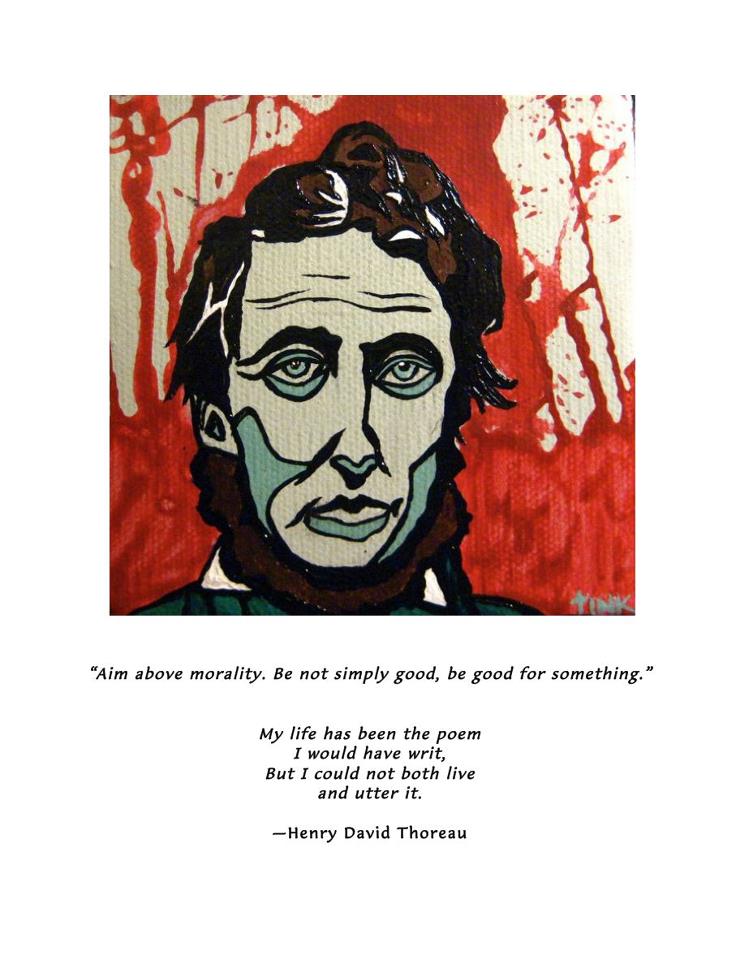
Henry David Thoreau

It is the 150th anniversary of Thoreau’s death. I find his thinking and writing refreshing. His quotes always give on pause to think about the world and this short poem expresses what one can hope life will be like. I just finished reading Experiments in Ethics by Kwame Appiah. If I could summarize that with one quote, it would be this one by Thoreau. I added a haiku below the picture.

experience life

a rich, bountiful harvest

savour over time.

Have a great July 12, 2012. Smile at someone; make them wonder.

Haiku Haven

I had some thoughts come to me while sitting quietly and wanted to share them in the form of a haiku.

ebbing and flowing

each moment’s uniqueness

a tended garden.

Melody Lowes inspired the second poem. She is a wonderful poet, photographer, and gardener. She posted a poem called Baby Steps.

 slow is freedom’s flight

a question to live into

gifts of poetry.

Happy Haiku

I am taking a class on personal ethics and a central theme is the role happiness plays, if at all, in ethics. I don’t think writing a haiku is important for a strict moral perspective, but I feel good when I do.

writing a haiku

words select me carefully

a written picture.

poetry written

a feeling of happiness

emerging gently.

Butterfly

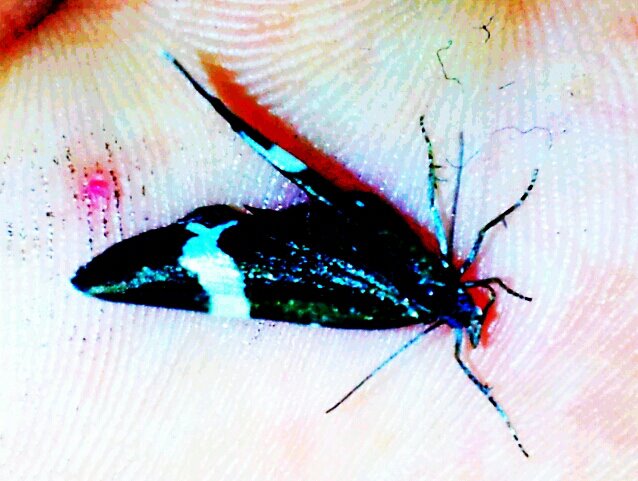
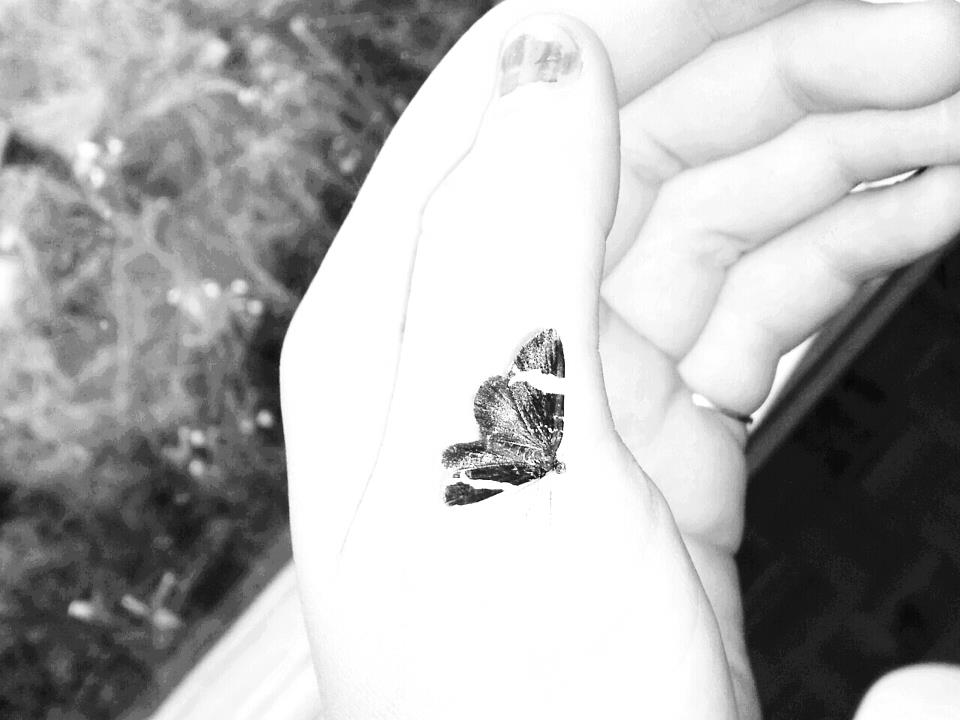
One of my students took these pictures and allowed me the privilege of posting them along with a Haiku. She is using her new phone and this butterfly felt drawn to her finger and hand.

Rest on my finger

Unifying quietly

The peaceful soul rests.

stop on the way home

butterfly rests on human

pause on the journey.

Water, Snow, and Ice

insignificant

countless gathering form one

majestic power

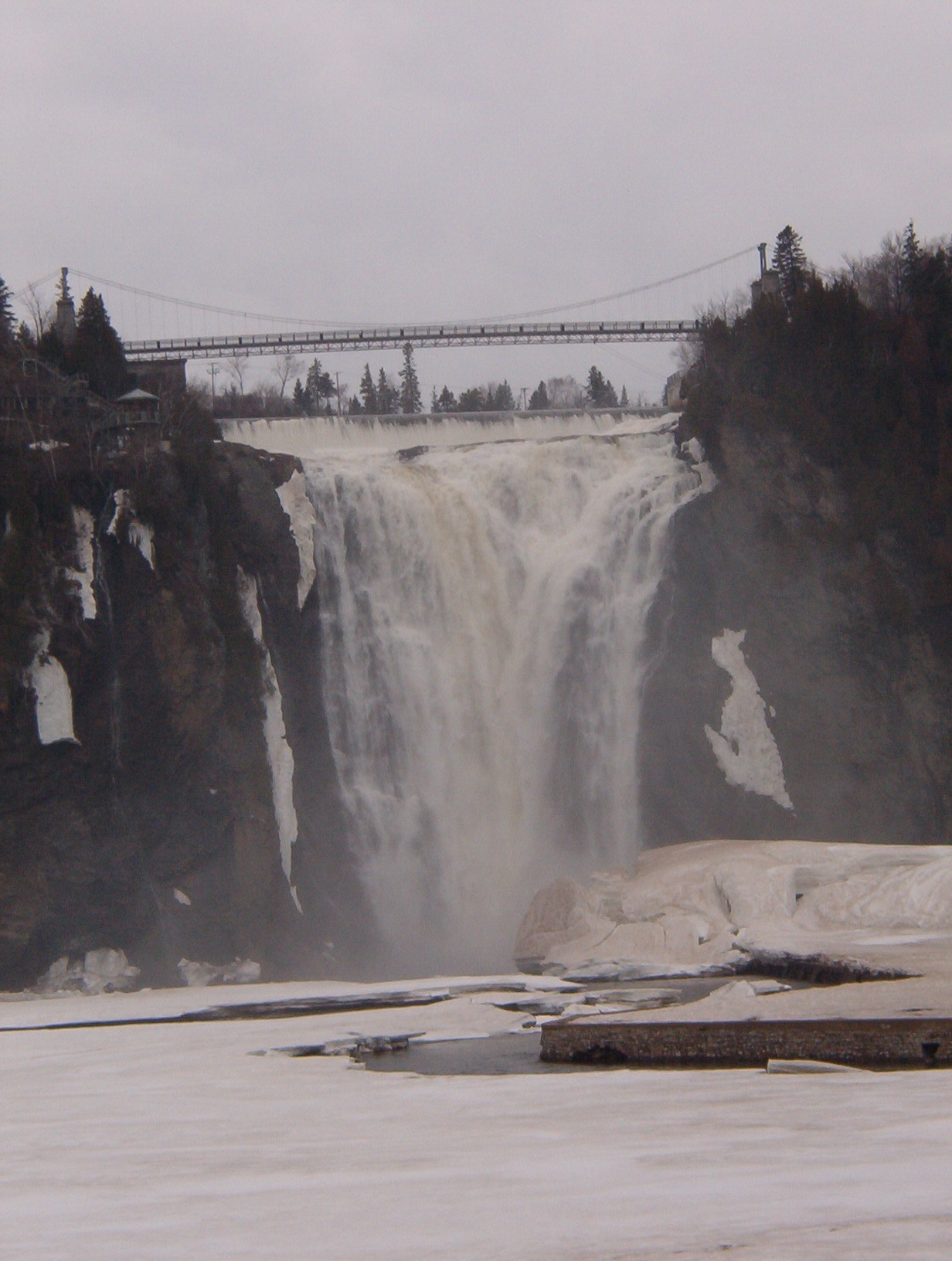
This is  a winter picture of La Chute (waterfall in English) Montmorency just outside Quebec City. At the base of the falls, around the open water, fly fishermen will be out during the summer. What you see a the top is a walkway across the falls and there is a tram just to the right of this picture. The St. Lawrence River is only a few hundred metres from the base of the falls.

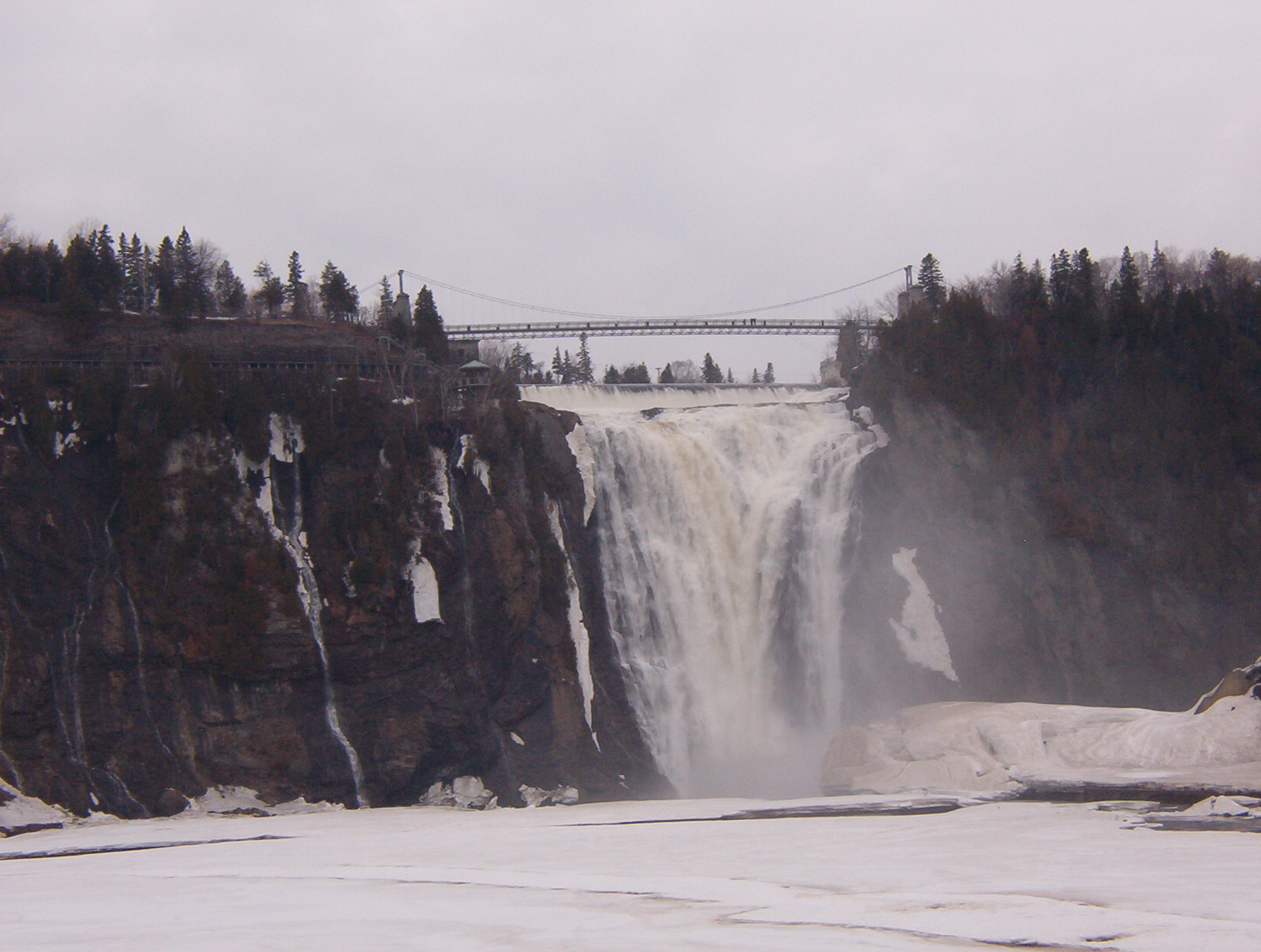
Here is a second picture of the falls. When Kathy and I were determined to see these falls. The pictures do not do them justice, but, as you can tell even in winter, they are spectacular. While driving across Le Pont Pierre-Laporte my fear of heights kicked in when I realized how far above the St. Lawrence we were. I needed to be in the right lane, but there was no way I was getting that close to the edge and it took creative driving on the far side of the bridge to get to the falls.

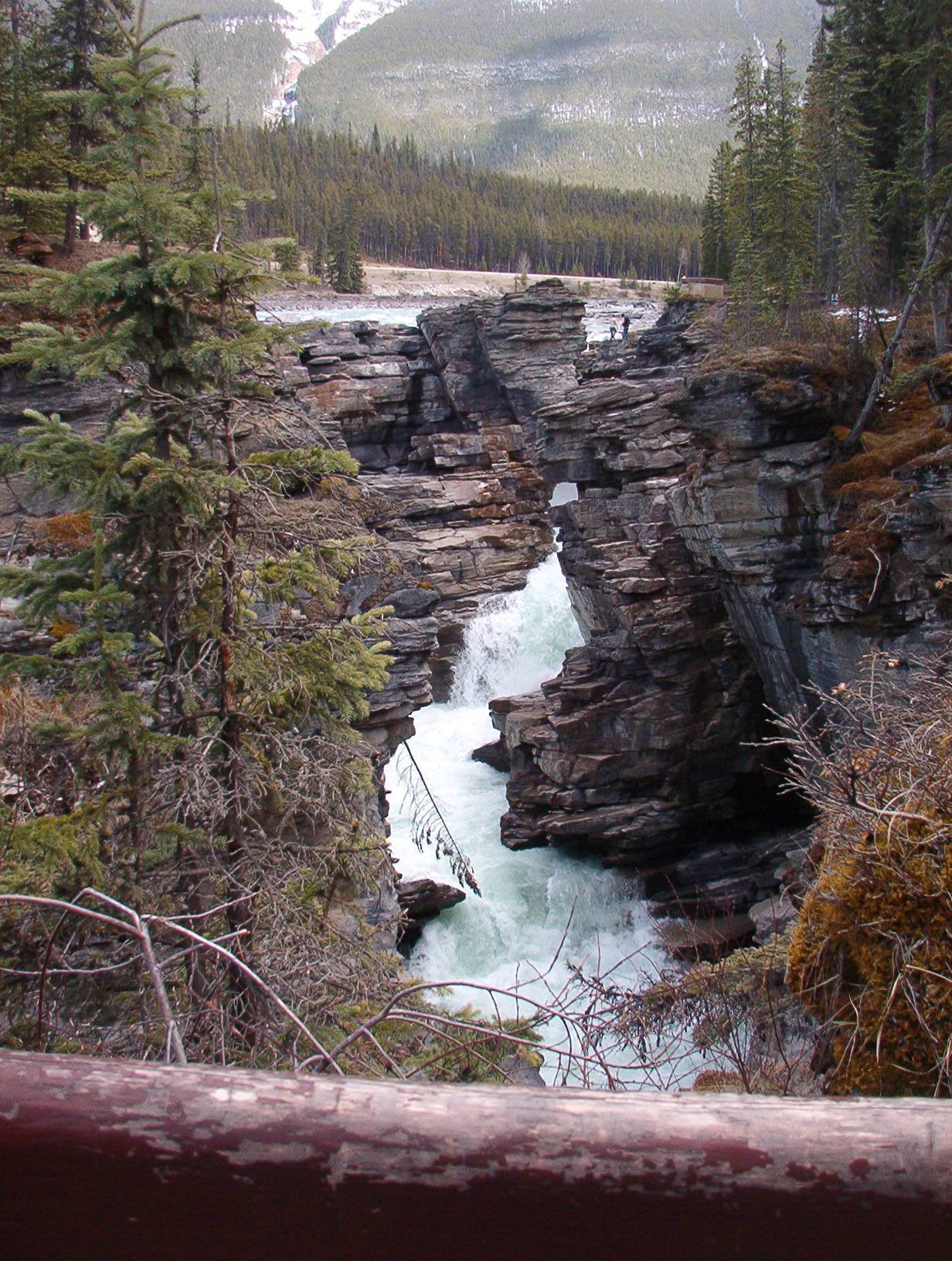
This is Athabasca Falls in Jasper National Park. You can see the Athabasca River in the background. Even in the park, it is a wide river at this point and it narrows quickly to shoot through the gorge. Kathy took this picture from the small wooden bridge that goes over the falls. You can just see the railing in the foreground. When you cross the bridge, you can walk up-stream along the river for several kilometres.

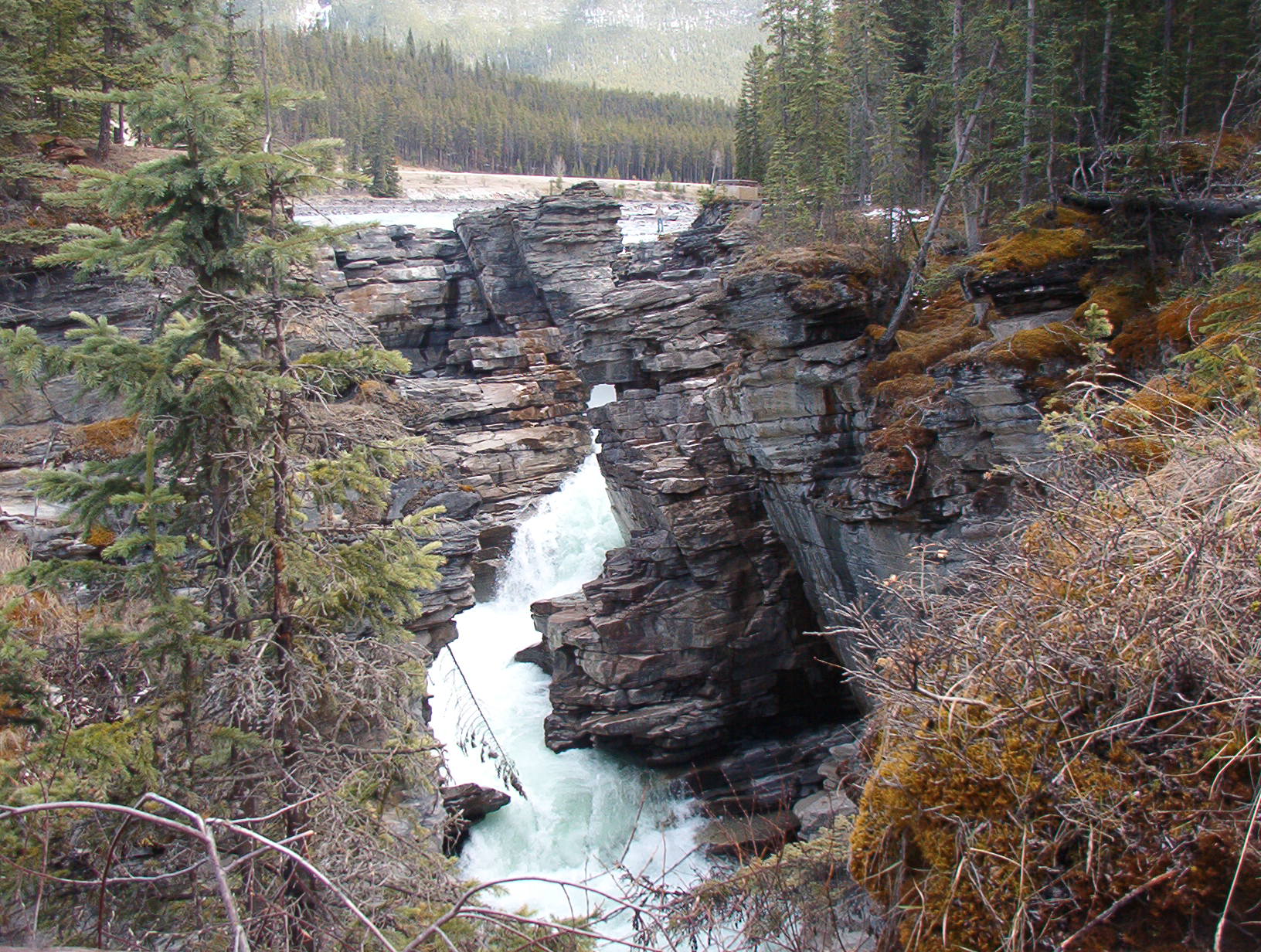
This is a slightly different view of the falls. The force of the water passing through the gorge has created a new stream bed. The water cut through solid granite. Below, you see one of the many mountains along Highway 93 between Jasper and  Banff.

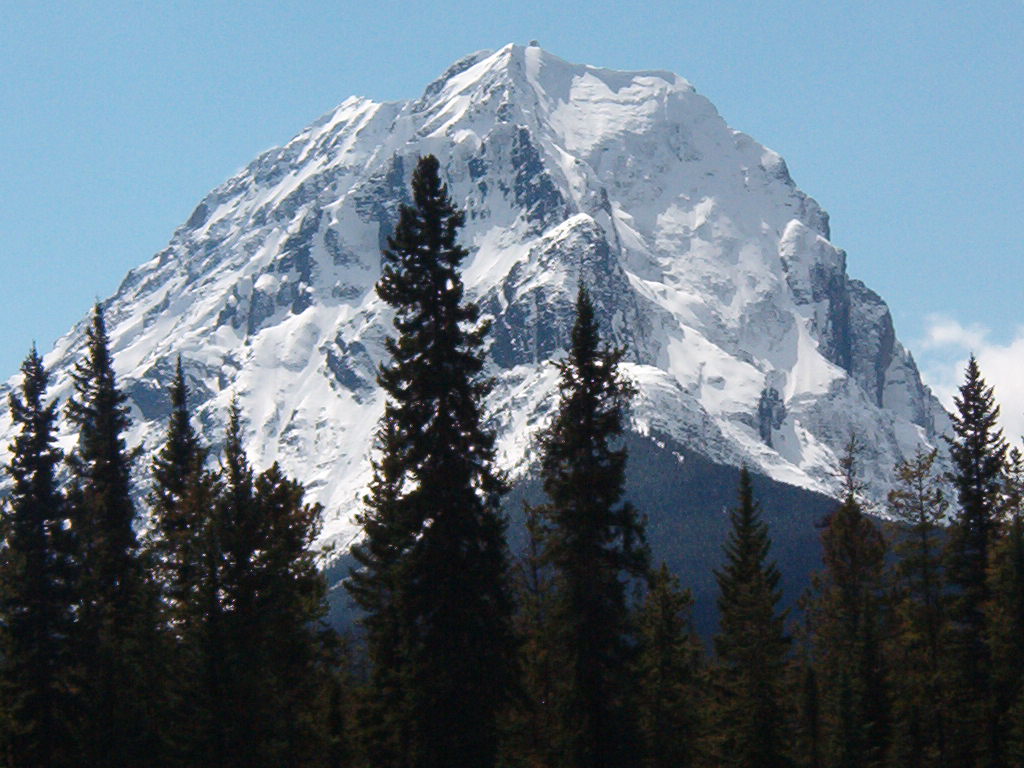
This is a view of one of the many mountains along Highway 93 between Banff and Jasper and is not far from Athabasca Falls.

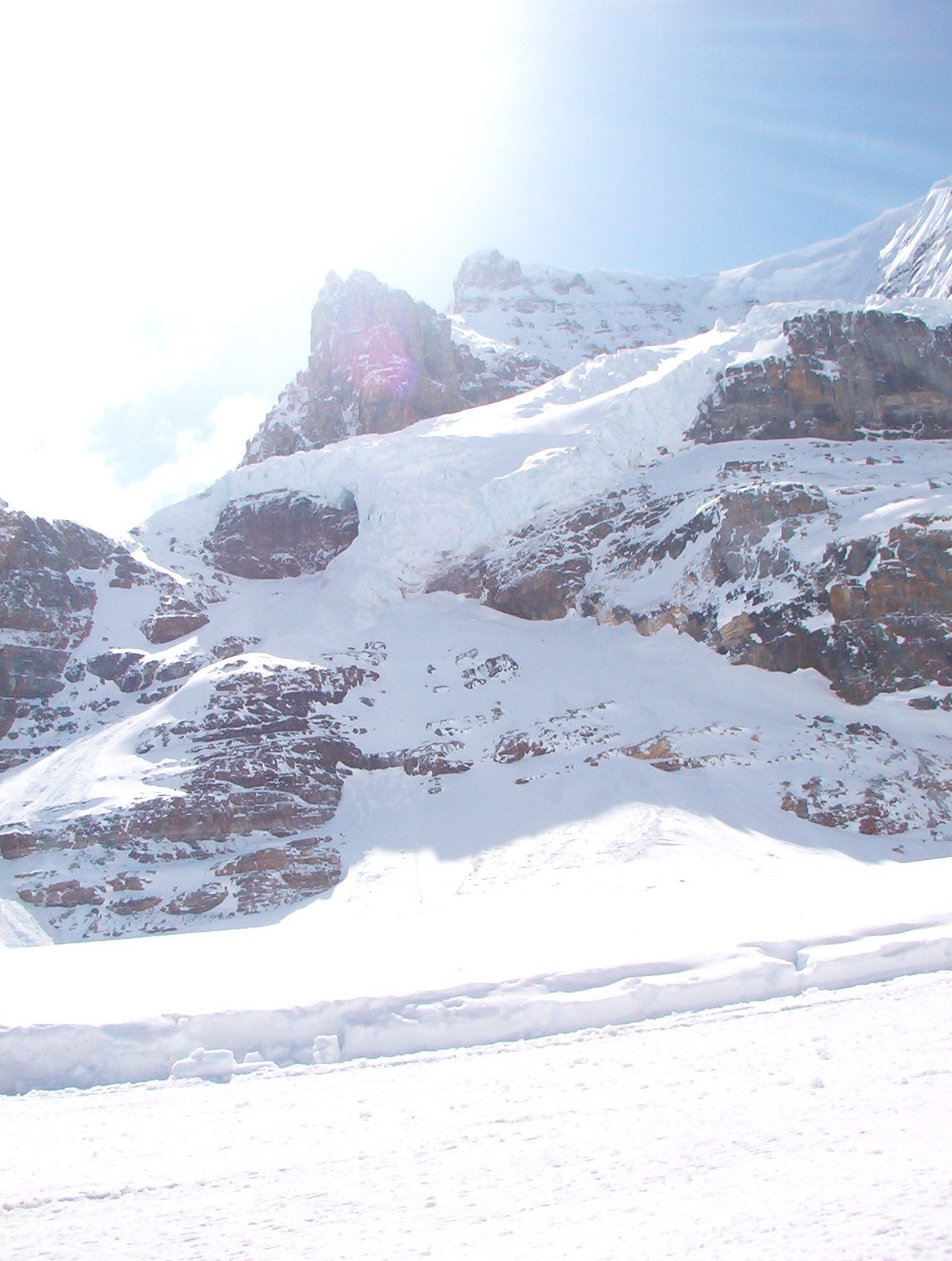
This is the Columbia Icefield looking back towards the source of the glacier and mountains. This is at the headwaters of the Athabasca River.

This is the Columbia River in Oregon. Although it is a spectacular view, I wonder what price we pay for progress:? Under that water, lies a spectacular river with rapids and waterfalls. Also hidden from view is a way of life of people who settled along this magnificent river. What a loss!

This was a small waterfall along the Continental Divide in Yellowstone.