When I talk to students, this is something I try remind them of when they are struggling with how long things take. It is so much better to look ahead and be in the present moment.
Love never dies
This is a beautiful poem and picture to help focus the day.

what is there

in the Horizons
While reaching
Sun showers golden dust
Sky displays it’s rainbow butterflys
Soil mounts up heads to view graceful vista
This eternal love every day takes brith significantly – Love never dies
What Have I Learned
I engaged in several virtual and face-to-face conversations over the past week about what learning and education should look like today. Gary Snyder summarized some of this in this thoughtful poem. I believe we need to focus more on the tools children need than the content. That is not to say content is not important. It must stretch, challenge, and allow growth.
Curriculum has narrowed, become content, and the use of tools. It does not always focus on the proper use of tools and development of habits, skills, attitudes, practices, dispositions, etc. What role does discernment play in today’s schools? What eloquent questions, with no presumption of answers, are teachers and students alike asked? Content, in the form of knowledge and information, becomes the currency of the realm and wise application is often pushed aside. 21st Century education requires a mindful approach. An approach that recognizes the changing of the flowers in each moment.
What have I learned but
the proper use for several tools?
The moments
between hard pleasant tasks
To sit silent, drink wine,
and think my own kind
of crusty dry thoughts.
–the first Calochortus flowers
and in all the land,
it’s spring.
I point them out:
the yellow petals, the golden hairs,
to Gen.
Seeing in silence:
never the same twice,
but when you get it right,
you pass it on.
7 Logics for Peaceful Living! – Pause
These are seven great points to having a peaceful life.


dog’s life
Sometimes it feels this way. Sometimes it does not. It is a nice little poem to begin the day with.


Sometimes
I registered to attend David Whyte’s retreat called Poetry in the Woods in November. His poetry speaks to my heart and the retreat is about being in touch with the heart.
I spent considerable time today talking about what I love: teaching and learning. I know I will miss each of them and want them in my life in some form. What I do not want is to be involved in teaching and learning focused on rules and not children. It is important for me as I enter this phase not to assume answers, but to be open to questions, particularly prickly ones. They are the ones I sometimes turn away from. I need to turn to them, receive them, and hold them gently.
I need to let questions find a space to emerge. which suggests less trampling through the forest and more quiet approaches. It is where the wisdom appears from, those questions which need my silence to be heard.
Sometimes
if you move carefully
through the forest,
breathing
like the ones
in the old stories,
who could cross
a shimmering bed of leaves
without a sound,
you come
to a place
whose only task
is to trouble you
with tiny
but frightening requests,
conceived out of nowhere
but in this place
beginning to lead everywhere.
Requests to stop what
you are doing right now.
and
to stop what you
are becoming
while you do it,
questions
that can make
or unmake
a life,
questions
that have patiently
waited for you,
questions
that have no right
to go away.
Steady my harried pace
What a great poem David posted. Take a moment and read it slowly.

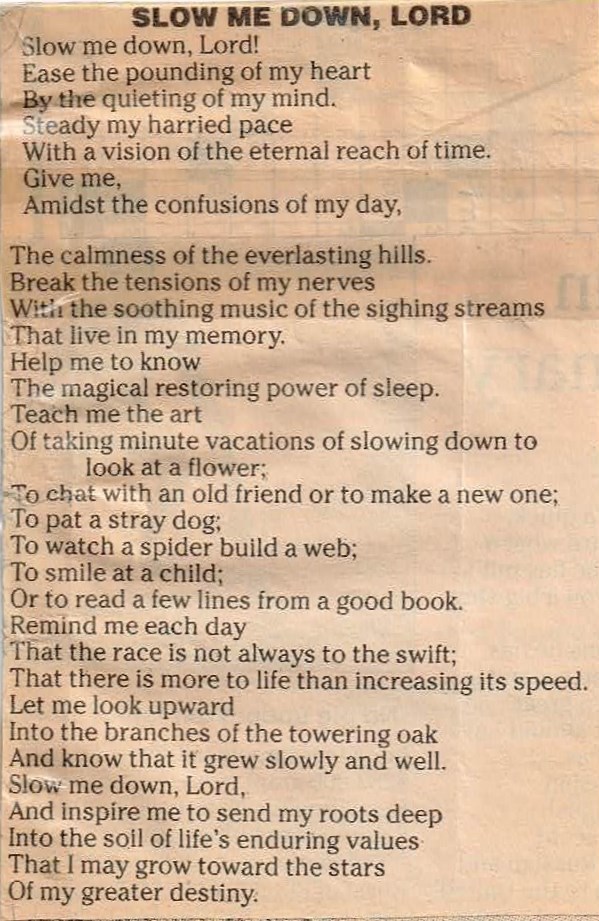
Wilferd Arlan Peterson (1900–95) was born in Whitehall, Michigan and lived most of his life in Grand Rapids, Michigan. He was an American author who wrote for This Week magazine (a national Sunday supplement in newspapers distributed to 13,000,000 readers). For twenty-five years, he wrote a monthly column for Science of Mind magazine. He published nine books starting in 1949 with The Art of Getting Along: Inspiration for Triumphant Daily Living.” Peterson was regarded as “one of the best loved American writers of the 20th century, renowned for his inspirational wisdom and aphoristic wit” by the Independent Publishers Group. His influences include Ralph Waldo Emerson, Henry David Thoreau and Abraham Lincoln, among many others. His contemporaries include Norman Vincent Peale and Dale Carnegie, and current writers and philosophers such as Jack Canfield and Brian Tracy have referred to Peterson’s works. He was married to Ruth Irene Rector Peterson (1921-79)…
View original post 44 more words
I Believe in All That Has Never Yet Been Spoken
I am getting back into a groove after my first full week home. I let things flow a bit this week. Rilke suggested letting go or not contriving in this poem. When I don’t over plan, I find I am more open and accept the flow of things much like the beginner’s mind of a child. Watching children engrossed in play is a reminder that can happen for me as an adult and, as it does, the river widens and flows in every widening channels. Life becomes somehow larger, but not in an explainable way.
Posting images of our trip through Glacier National Park is believing in all that has never yet been spoken. Nature allows me to speak without using words. It is a palette of creation which speaks without speaking and shares without words. It just is and teaches through its presence.
The role of sabbath is to rest on the swelling and ebbing currents and rest in each moment. Perhaps, as I do, I take an expanded mind and soul into next week.
I believe in all that has never been spoken.
I want to free what waits within me
so that what no one has dared to wish for
may for once spring clear
without my contriving.
If this is arrogant, God, forgive me,
but this is what I need to say.
May what I do flow from me like a river,
no forcing and no holding back,
the way it is with children.
Then in those swelling and ebbing currents,
these deepening tides moving out, returning,
I will sing you as no one ever has,
streaming through widening channels
into the open sea.
God of Science
There is a need to be mindful and fully present in my use of technology. It is a tool and I need to consider the good and harm that can result from the use of this particular tool in this context. This poem is an excellent reminder of this for me.


What has science brought us:
better ways to live or quicker
ways to kill? Have we traded
technology for faith and
compassion? Is God found in a
test-tube or bomb?
Be careful what you worship.
There is but one Source, that
which is omnipotent, shows us
that good used for evil
purposes becomes the
sword of destruction.
Say “no” to thinly disguised
technology that harms under
the guise of helping. Let
the lesson of the bees remind
us if our sick and dying
loved ones are not enough.
Logan’s Pass
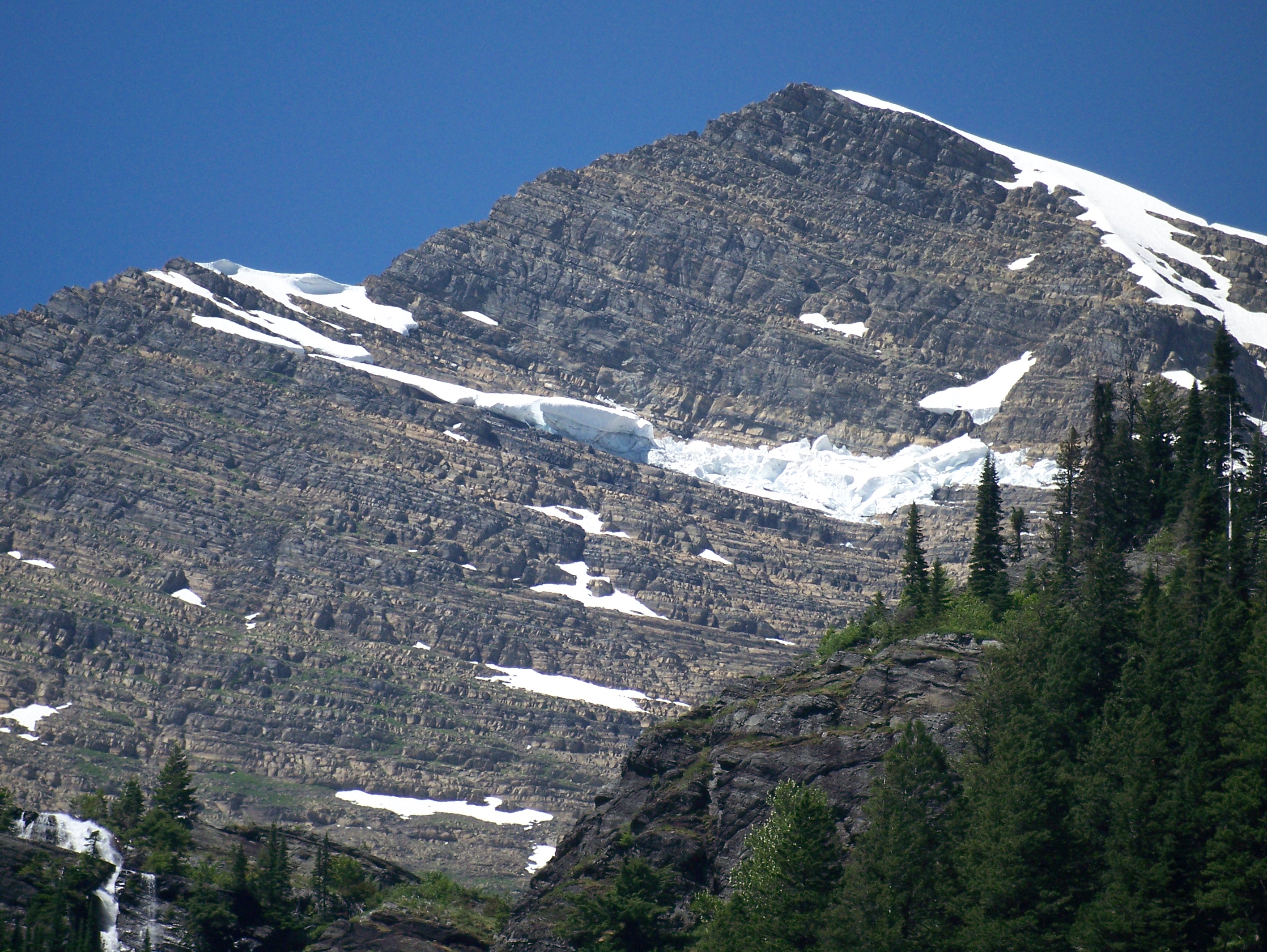
Logan’s Pass includes the Going to the Sun Road in Glacier National Park. When I looked, the view was spectacular and breathtaking. The park was named for the many glaciers that are part of the landscape and so visible through Logan’s Pass. The glaciers are slowly receding and some estimates suggest they may be gone by mid-Century.
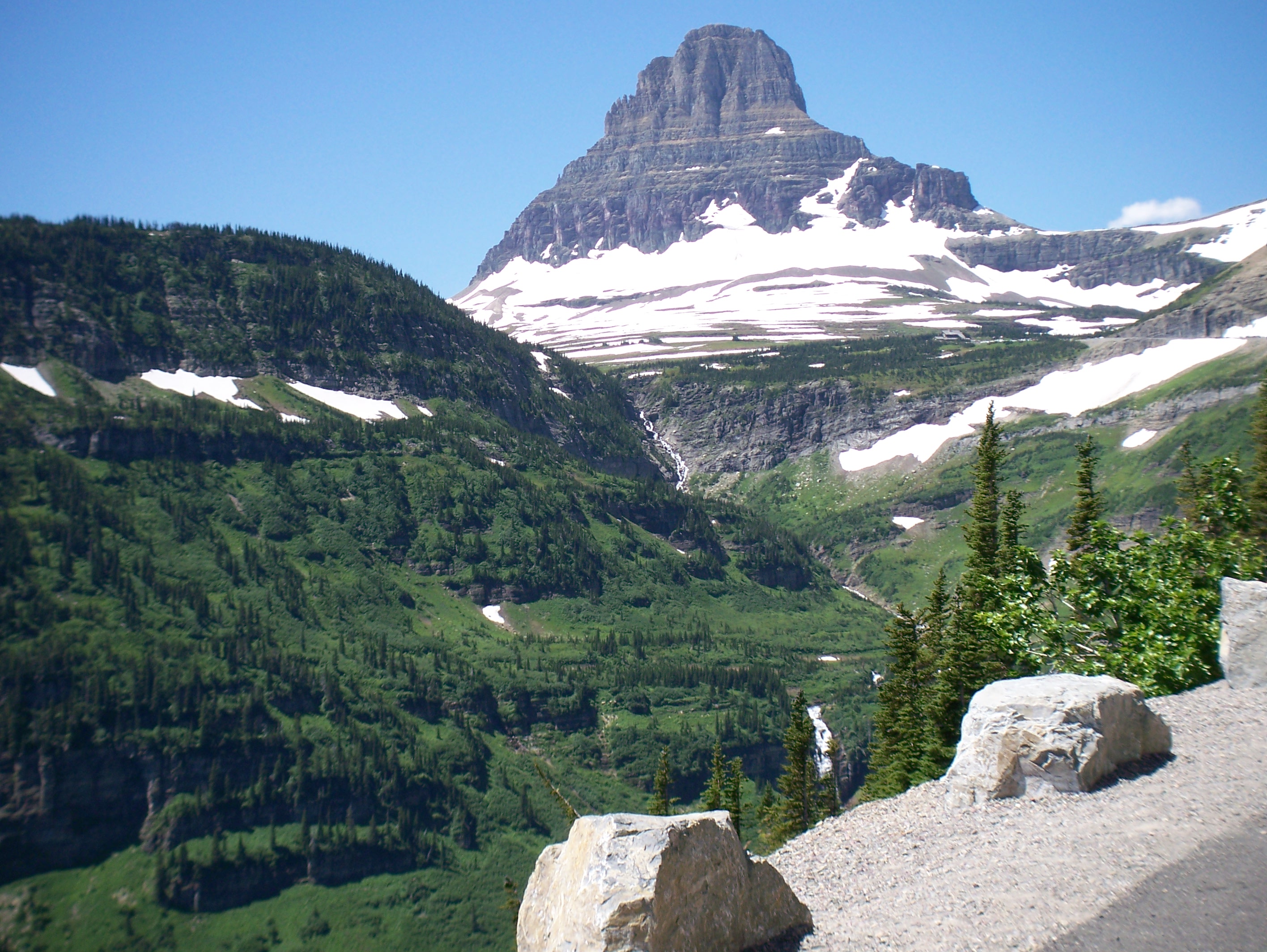
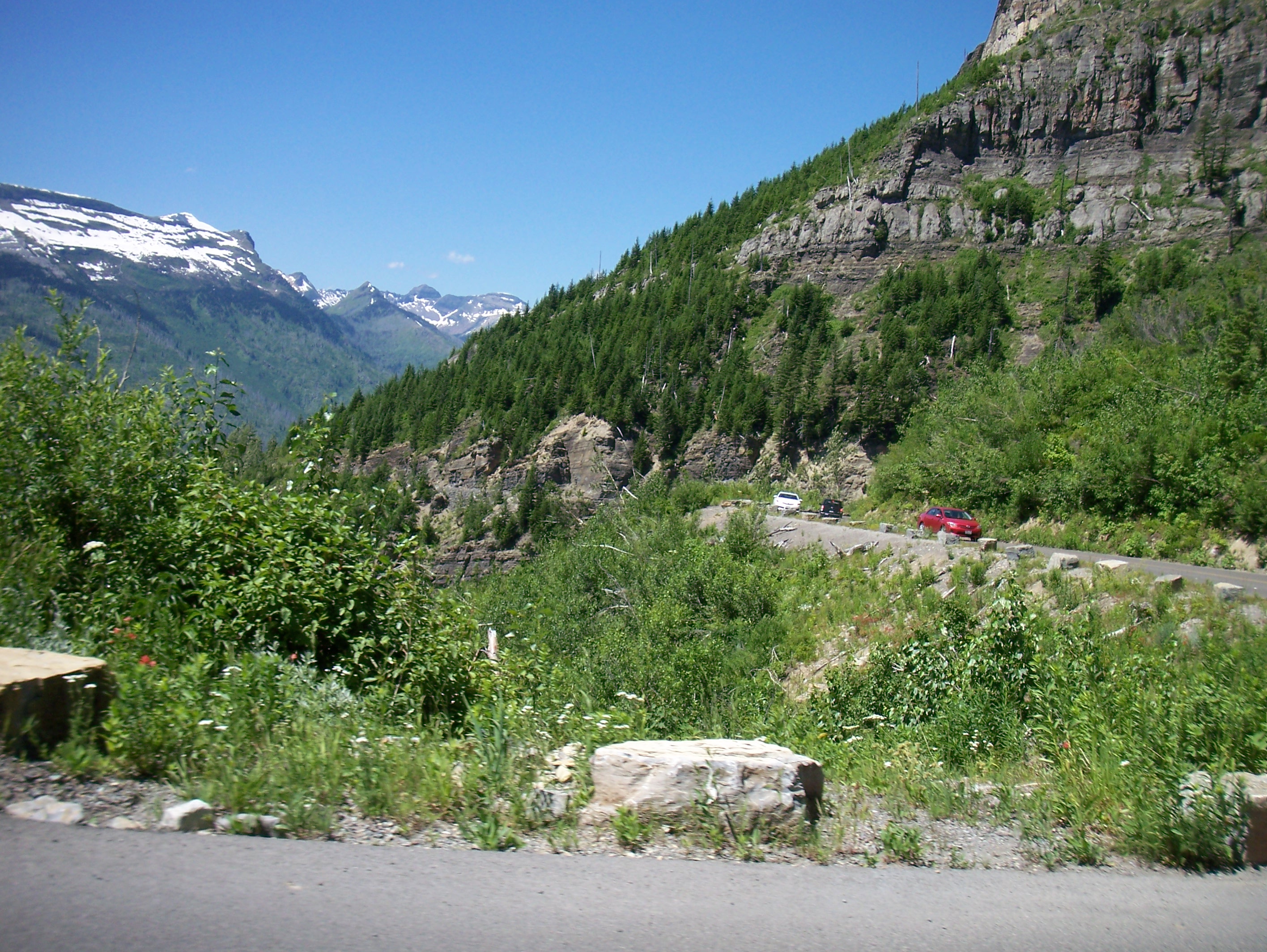
Looking straight across from the road, you can see the ice and snow almost at eye level and further out is Jackson Glacier. The road is dotted with short barriers and are not very wide.
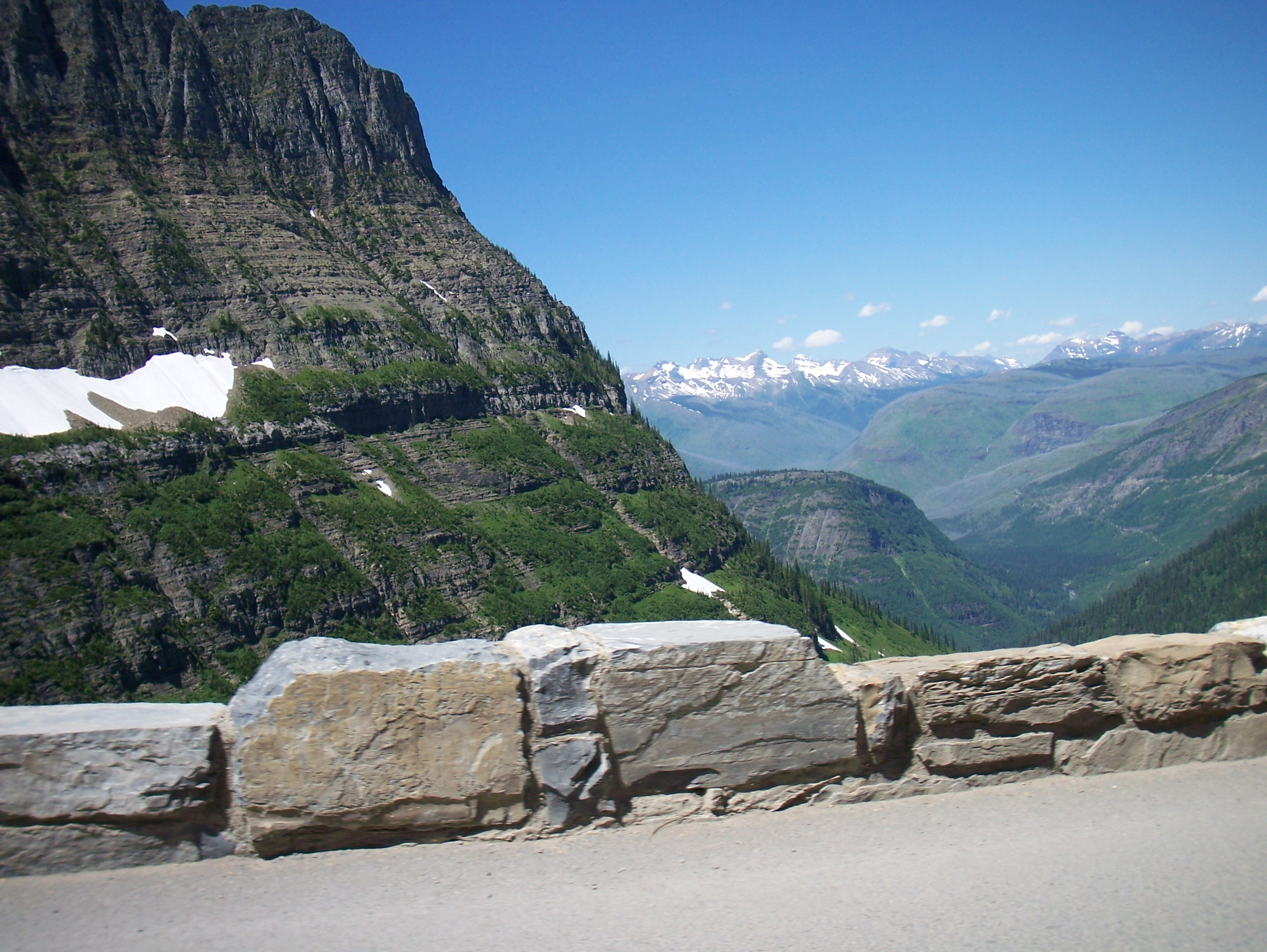
The Montana sky is a constant backdrop for the mountains, the ice and snow, and the green in the foreground.
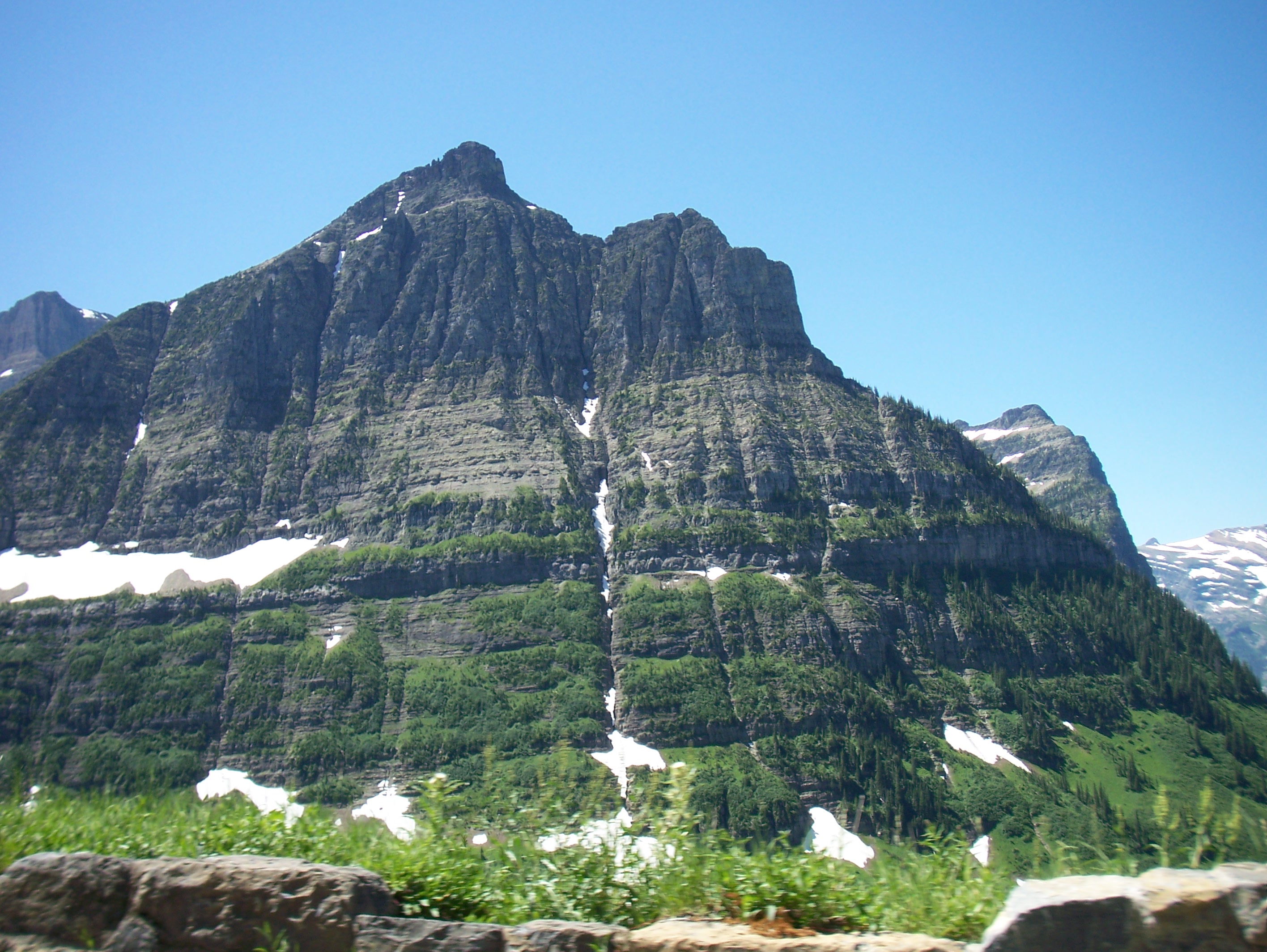
A person constantly feels like they are on the top of the world here. People refer to Glacier National Park as the Crown of the Continent and closeness to the tops of the mountains is a reason. Waterfalls are often in view.
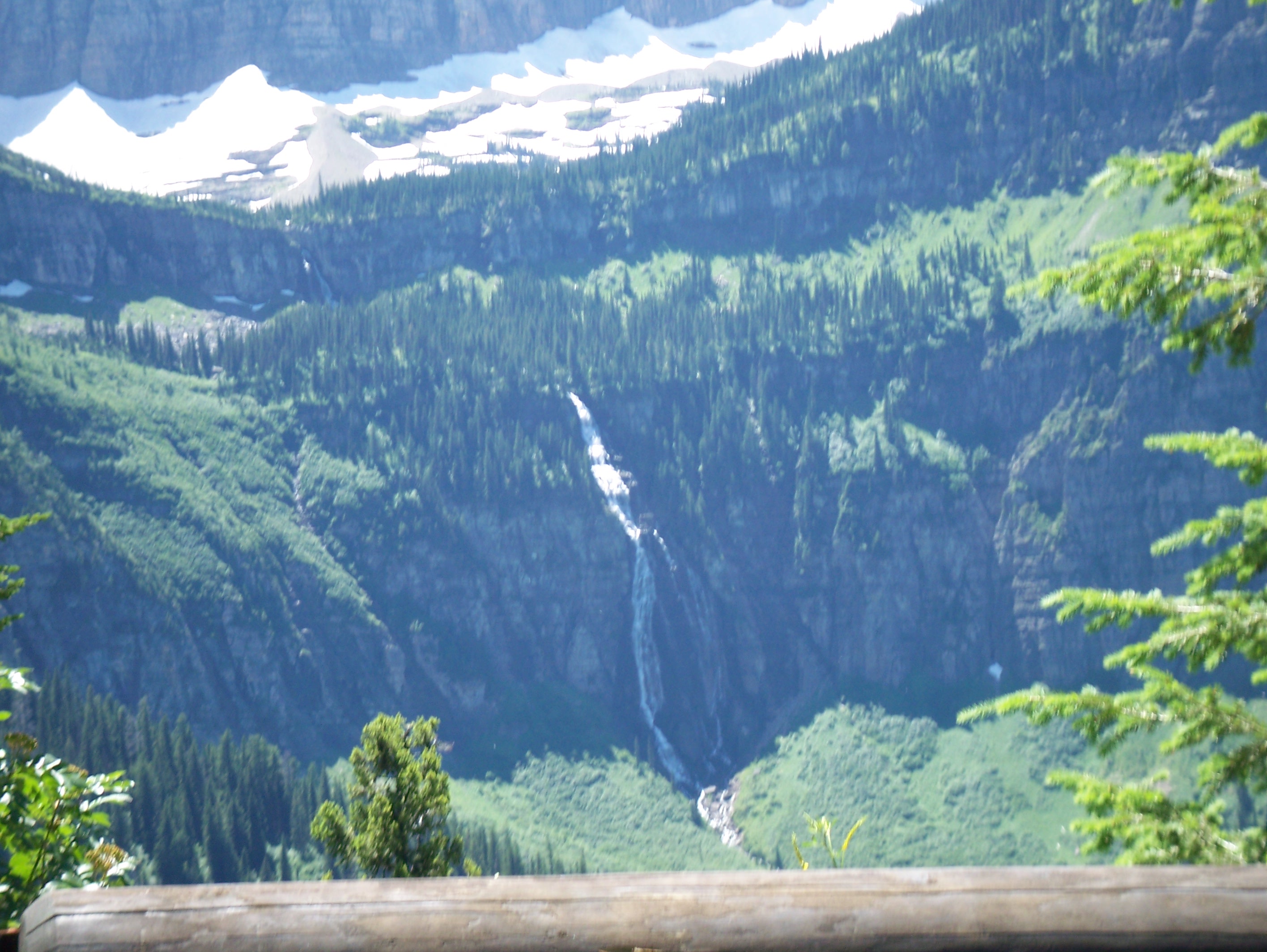
Here, there are no real barriers at the edge of the road.
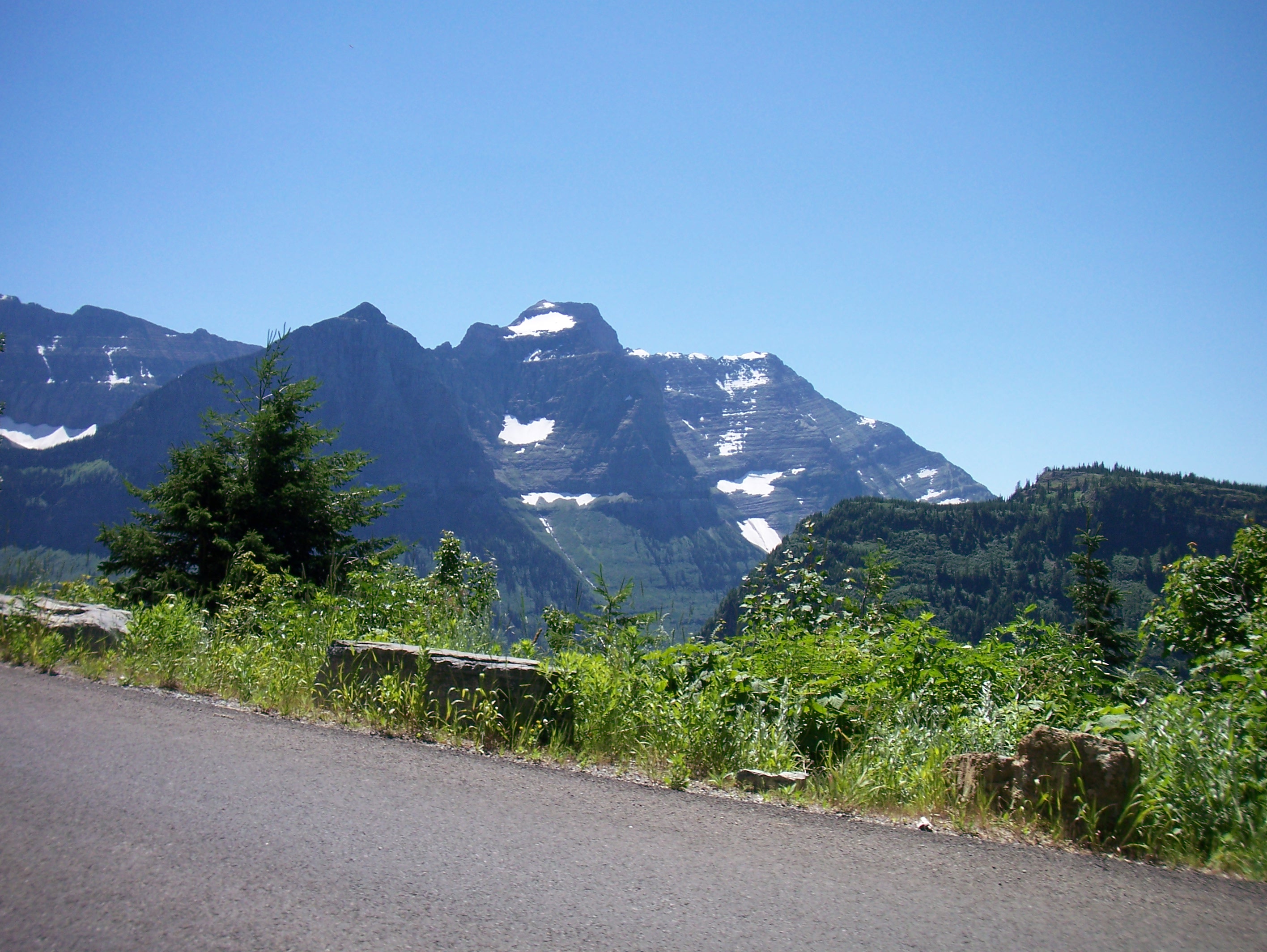
Kathy took this picture over her shoulder. It shows the switchbacks and curves in the road.
I enjoy the contrast provided by the grey granite and the white snow and ice. There is stability and, at the same time, instability visible in nature. The granite looks like it forms a stairway to the top of the world.


 ivonprefontaine
 Teacher as Transformer