Tag Archives: Jasper National Park

Jasper Park Maligne Canyon

The cow elk picture posted yesterday was at the end of our trip to Maligne Canyon. It a challenge for me along the canyon rim with a drop of up to 50 metres. The canyon was an issue for explorers finding their way downstream to the Athabasca River.
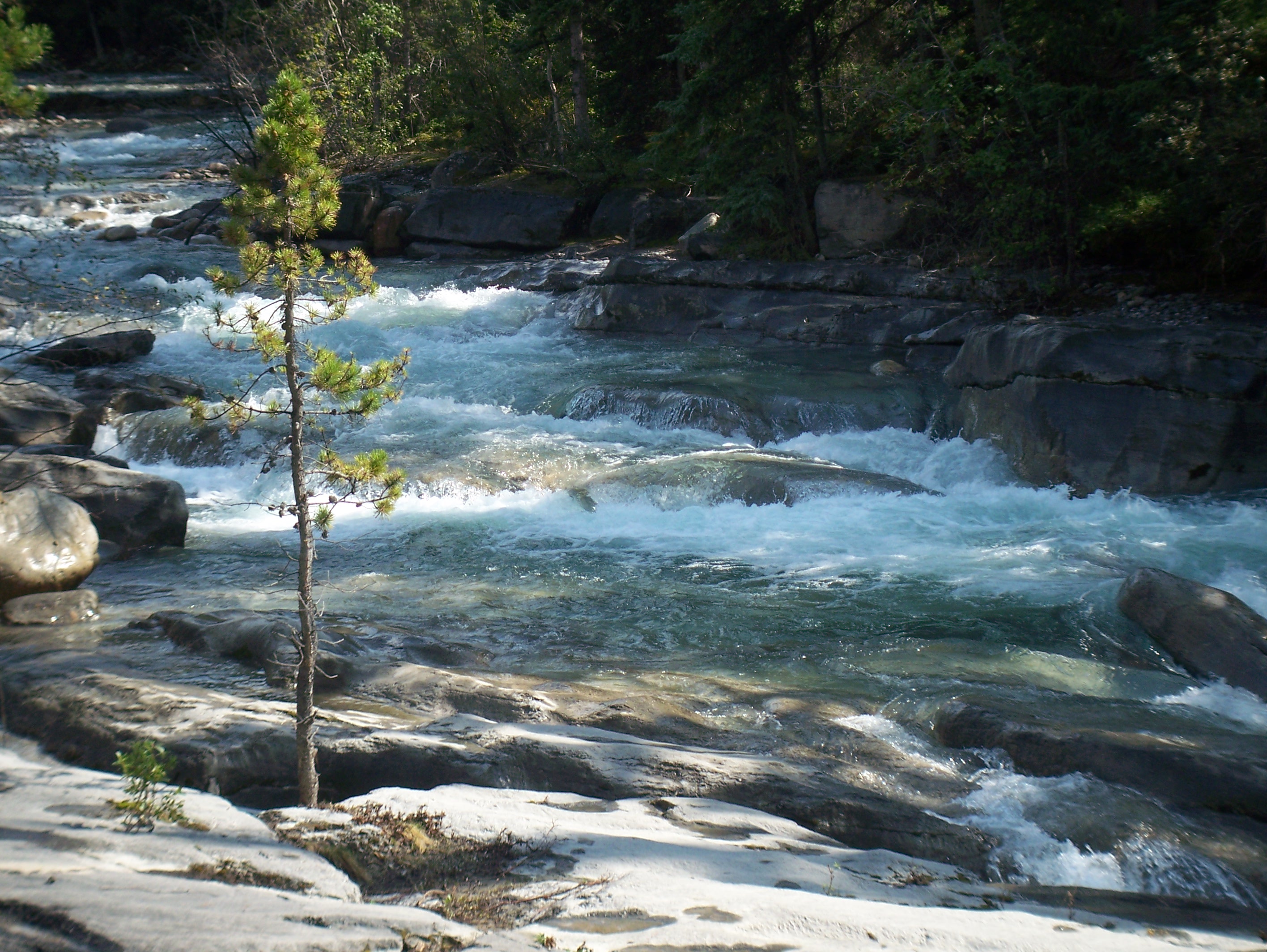
This is immediately above the drop into the canyon and the river shows its turbulence already.

The river drops suddenly and its power is obvious. The holes are a product of the swirling water over time.
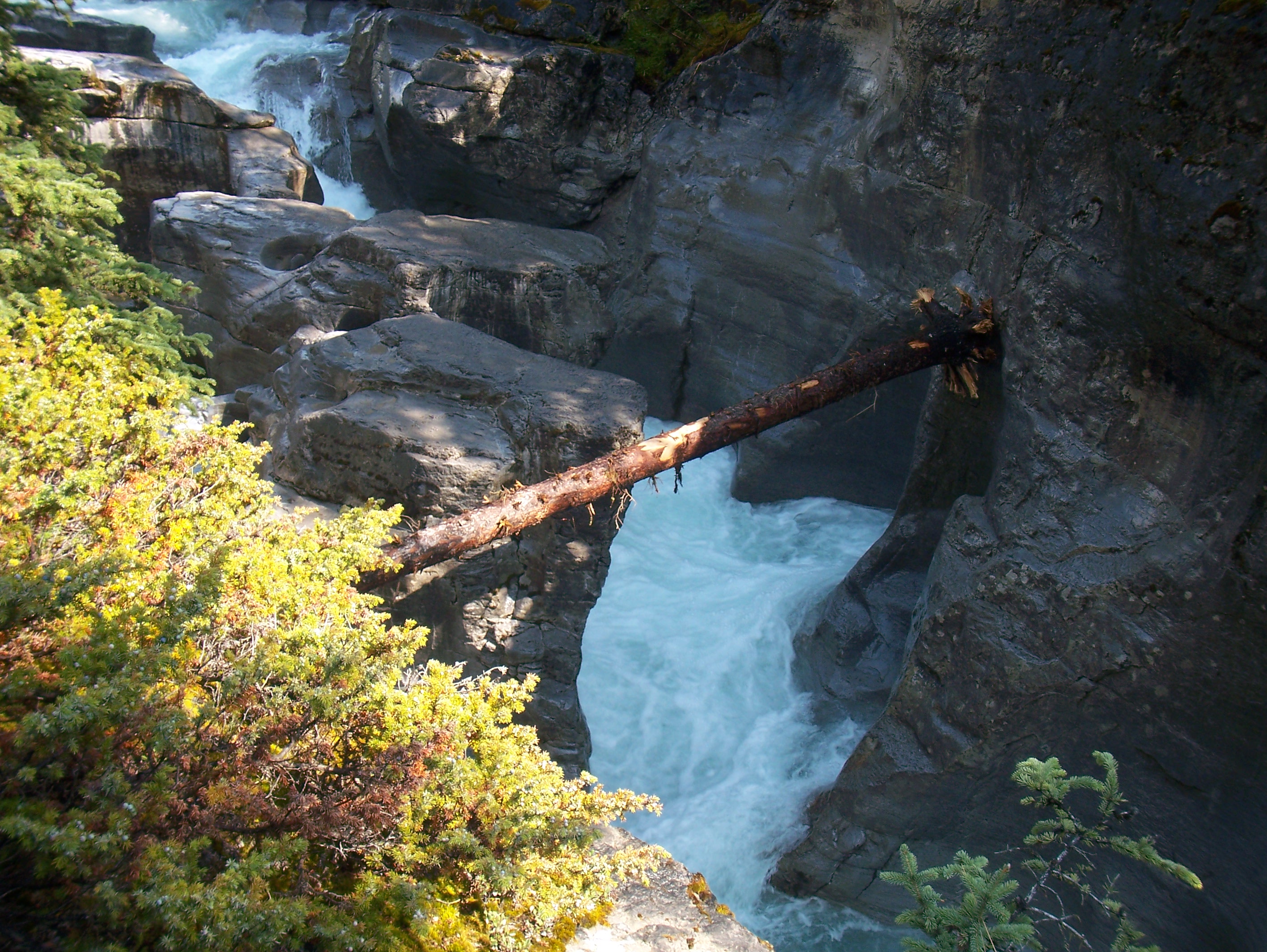
This is the first part of the canyon and the holes are visible in the top left hand corner of the picture.
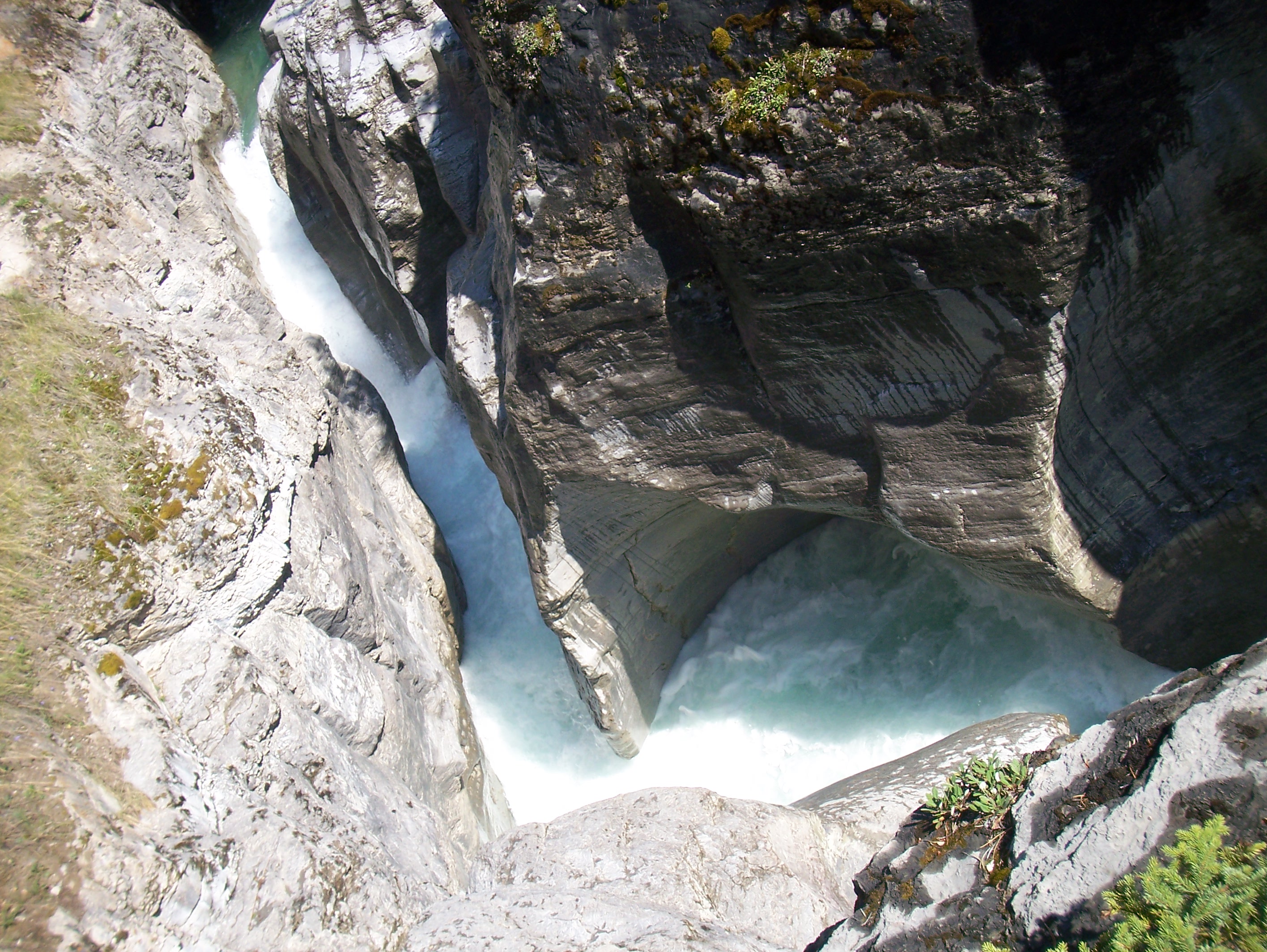
The river turns 900 and hollows out the rock wall into a cylinder-like churning machine before roaring down the canyon.
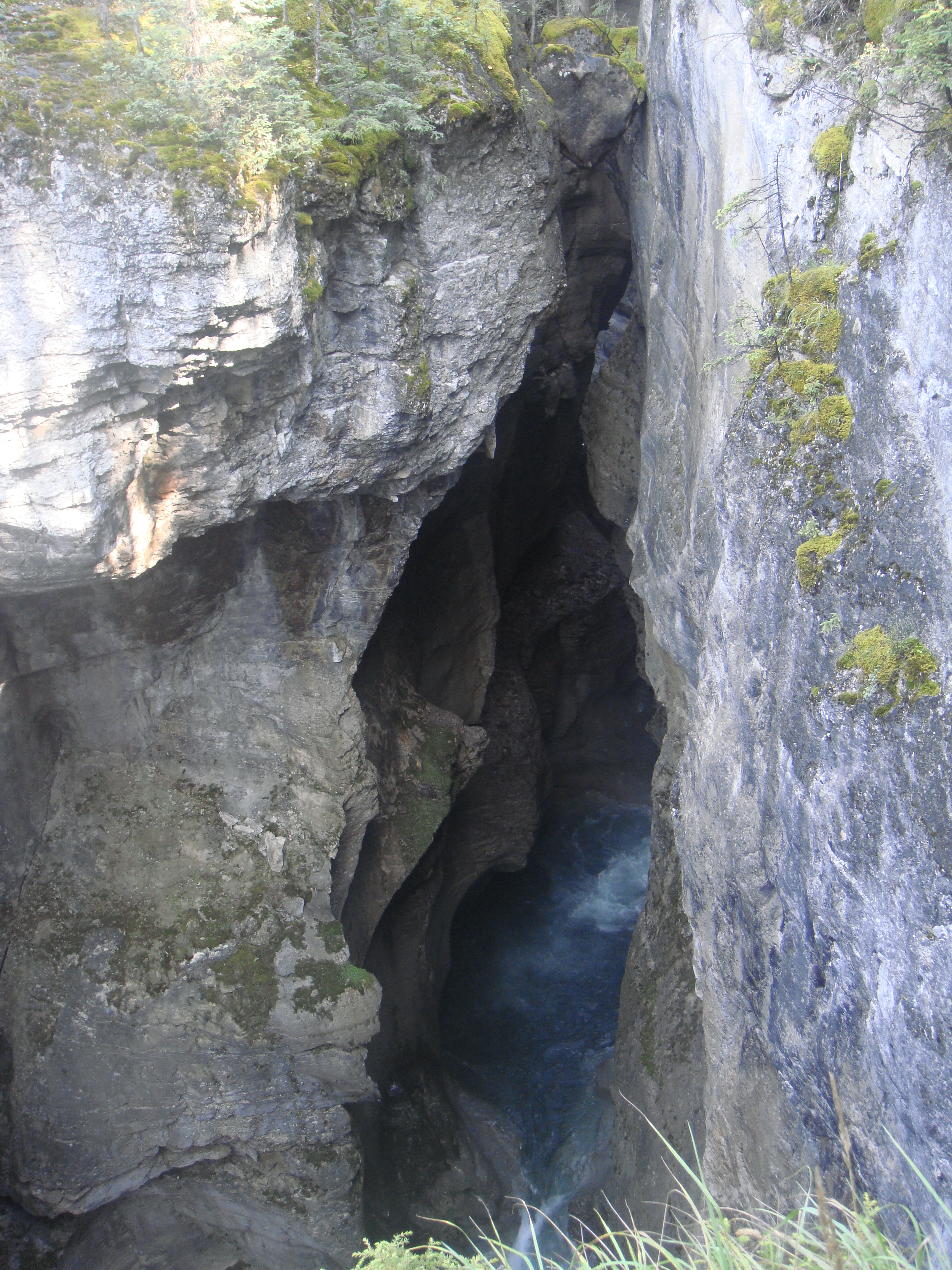
The canyon has six bridges at various locations along the canyon and beyond. Bridge 5 is currently out of commission due to high water. Kathy took this picture from Bridge 1 looking back upstream.
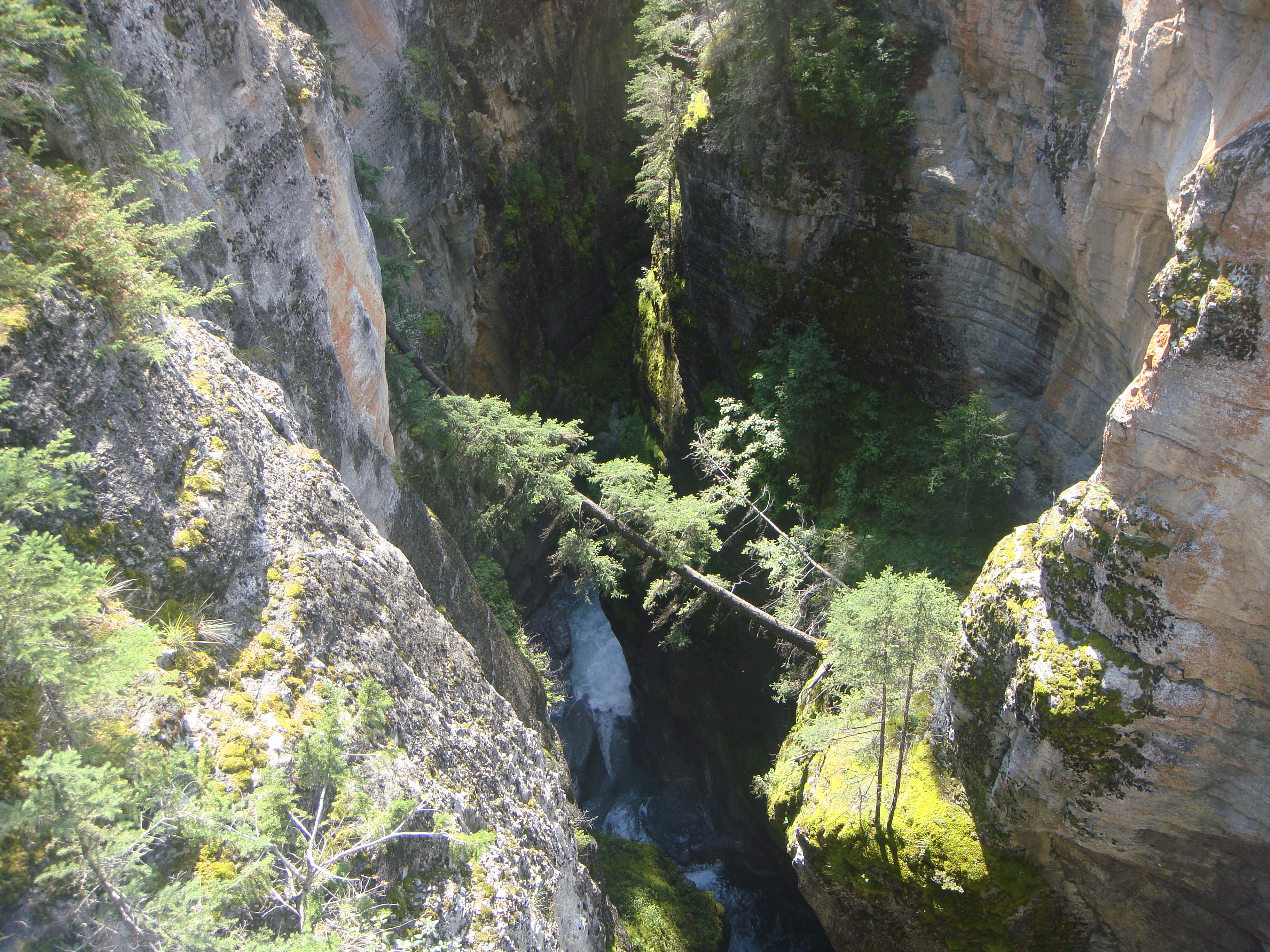
After crossing the bridge, Kathy took this picture. In a particularly harsh environment, the trees are exceptional survivors in places as demonstrated here. This place is probably close to the 50 metres.
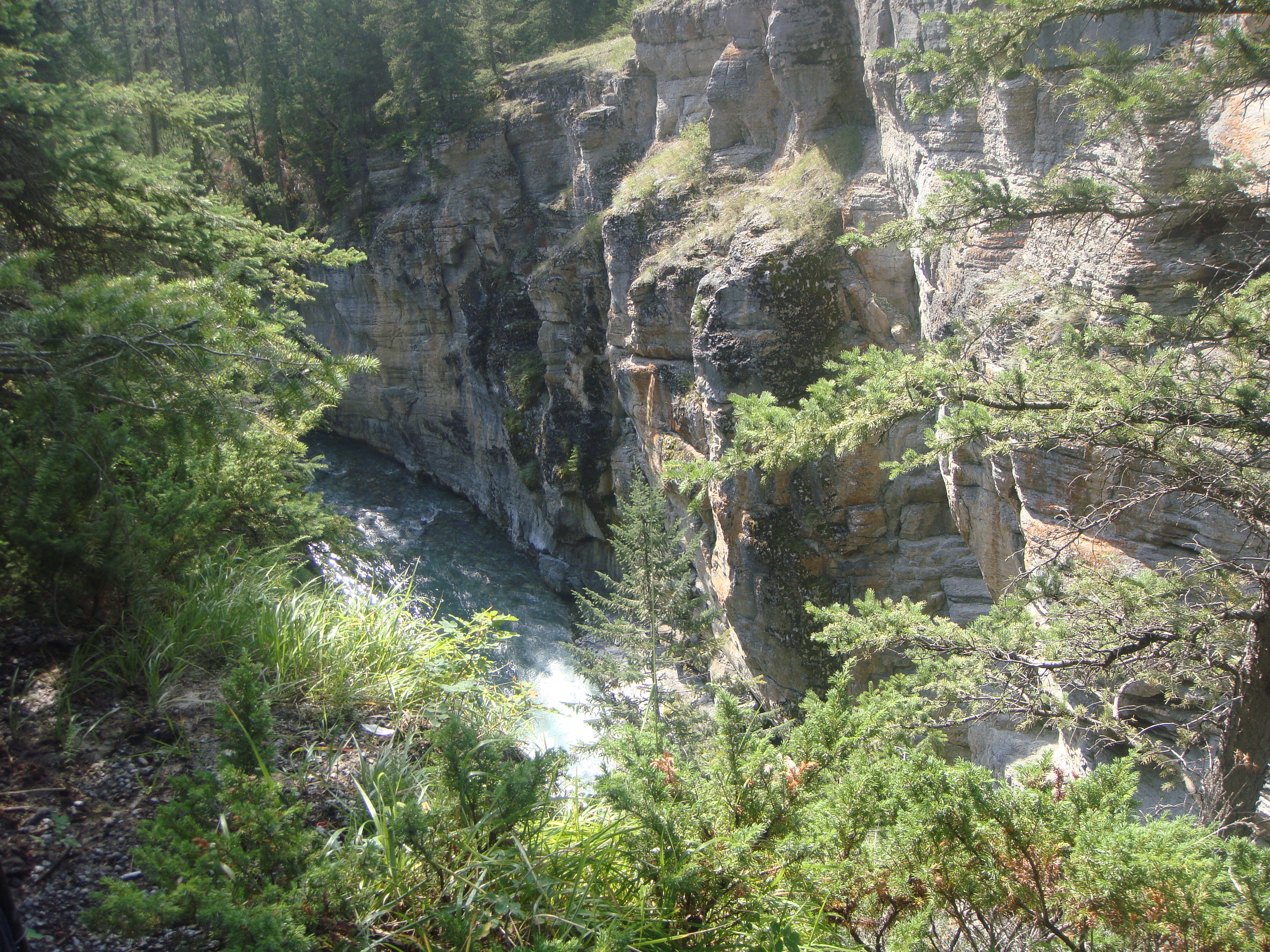
As we descended into the canyon, the river began to run slower, but there is evidence of the power of nature over the centuries.

Kathy took this from the 3rd Bridge where our hike ended. The gorge drops again and the river plummets one more time over and around the rocks in its pathway.
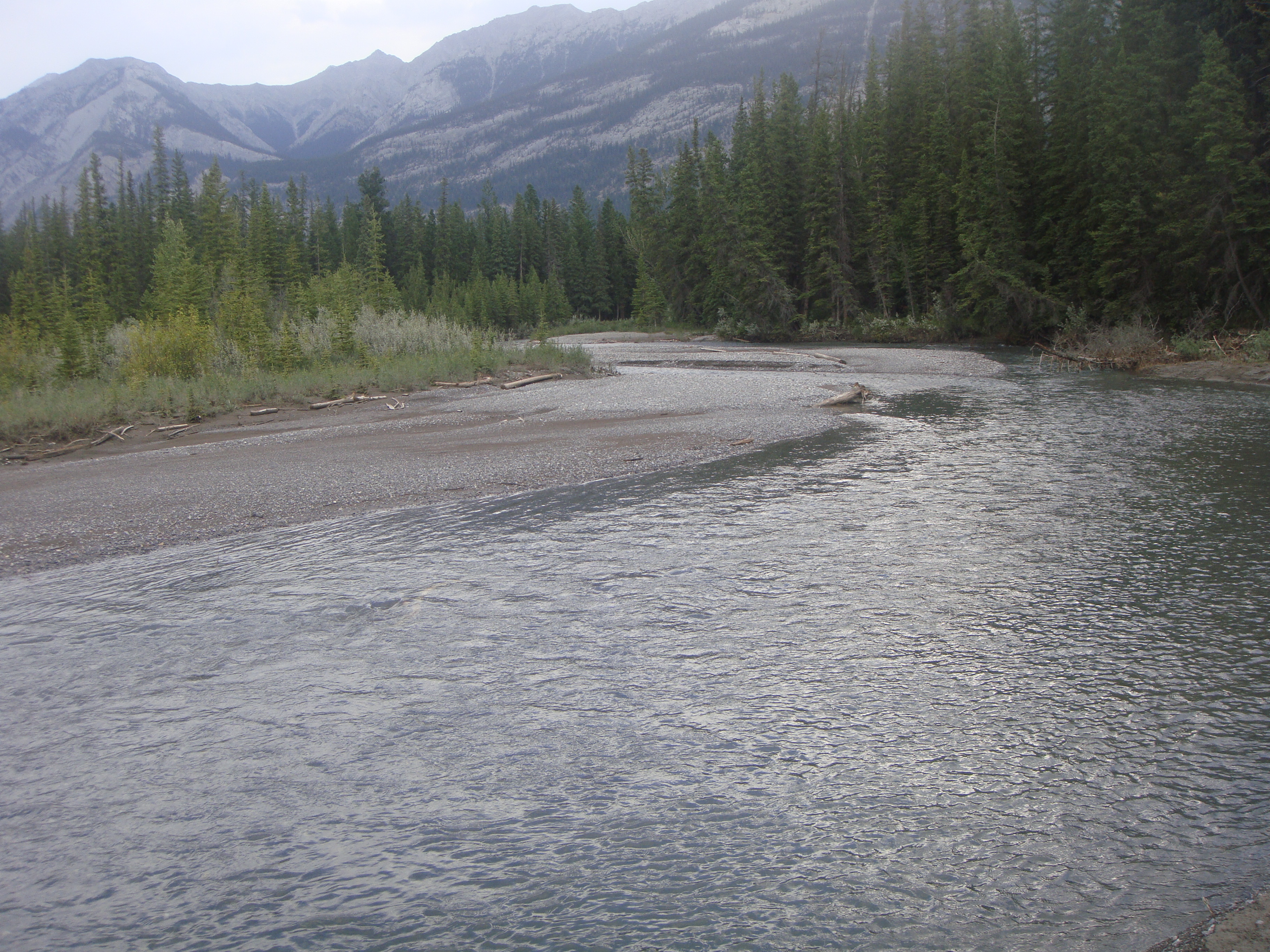
The Maligne River flows into the Athabasca below the 6th Bridge. We drove to this bridge and walked to where the rivers converge. We opted to skip the 4th Bridge because we would have turned back due to the closure of some of the trail.

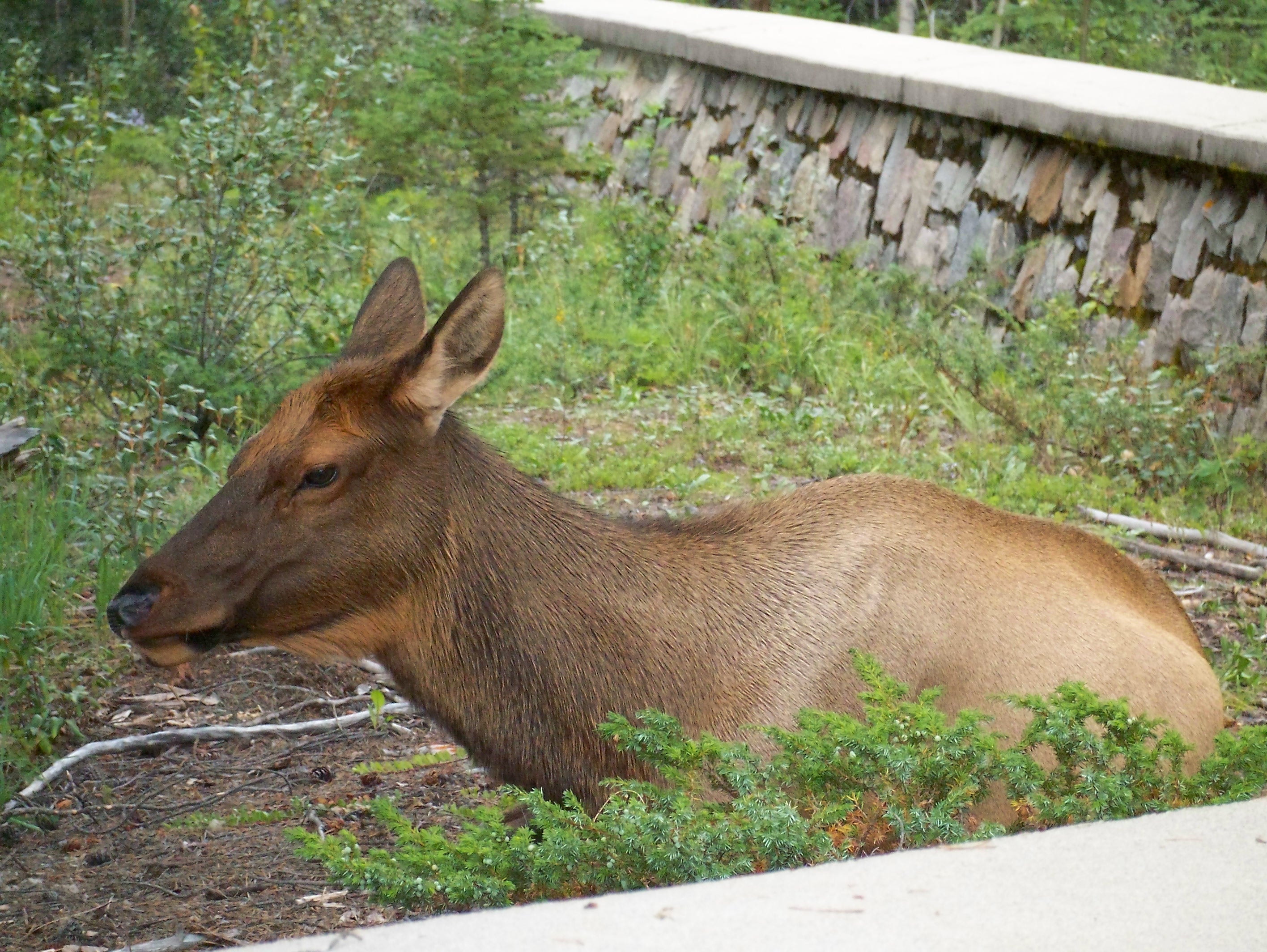
On our way back into Jasper, we made a stop at an overview of the Maligne Canyon. Initially, there was not much to see and we were disappointed. As I walked to the other end of the walled parking lot, this lovely young elk caught my eye.

It took us about five minutes or more to walk carefully closer and not startle this animal. This is her home.
Beauty

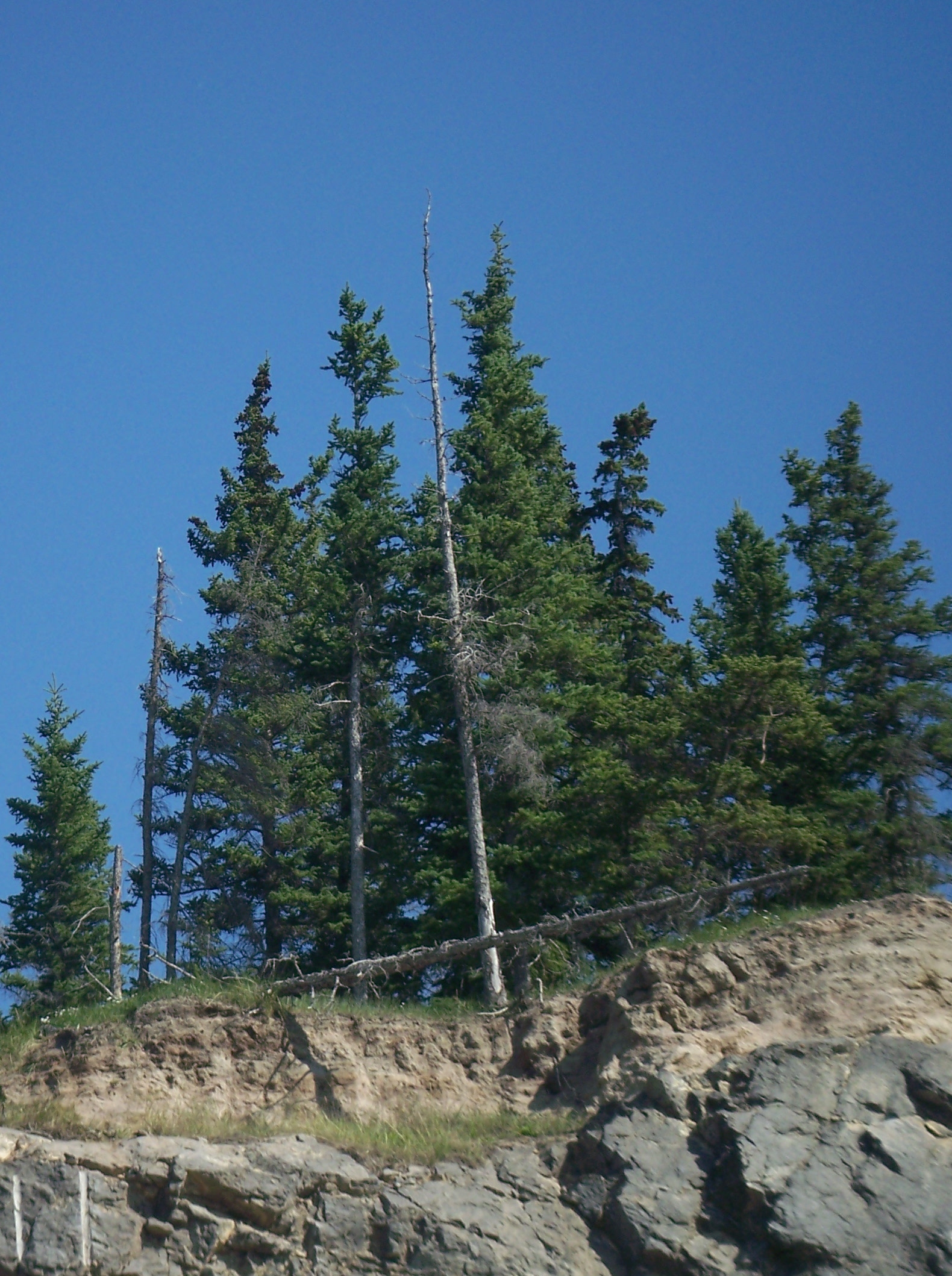
This lonely tree stood all by itself on the crest surrounded by the pretty ones.

A true survivor

Separate from the crowd

You are on your own.

The elements take a toll

Your hair is thin

Your skin pale.

Yet, you stand straight

Limbs reach forward

Belief in something more.

Valued for who you are

Individual, non-conformist

Separate from the crowd.

Lonely, but not alone

Spacious solitude

Create your own beauty.

Jasper and Its Surprises

It was a perfect day. We wandered in Jasper, enjoyed great scenery, and I was with my favourite person.

We found the best at the end of the day. I posted a picture of a bull elk on Yellowstone 2005 in May. I took the picture from about 15-20 metres. Today, Kathy duplicated this with a picture of a cow elk chewing her cud. She seemed aware of our presence, but we were quiet and as others joined us in a secluded area she posed. The wall is about 1 metre thick wall and a similar height.

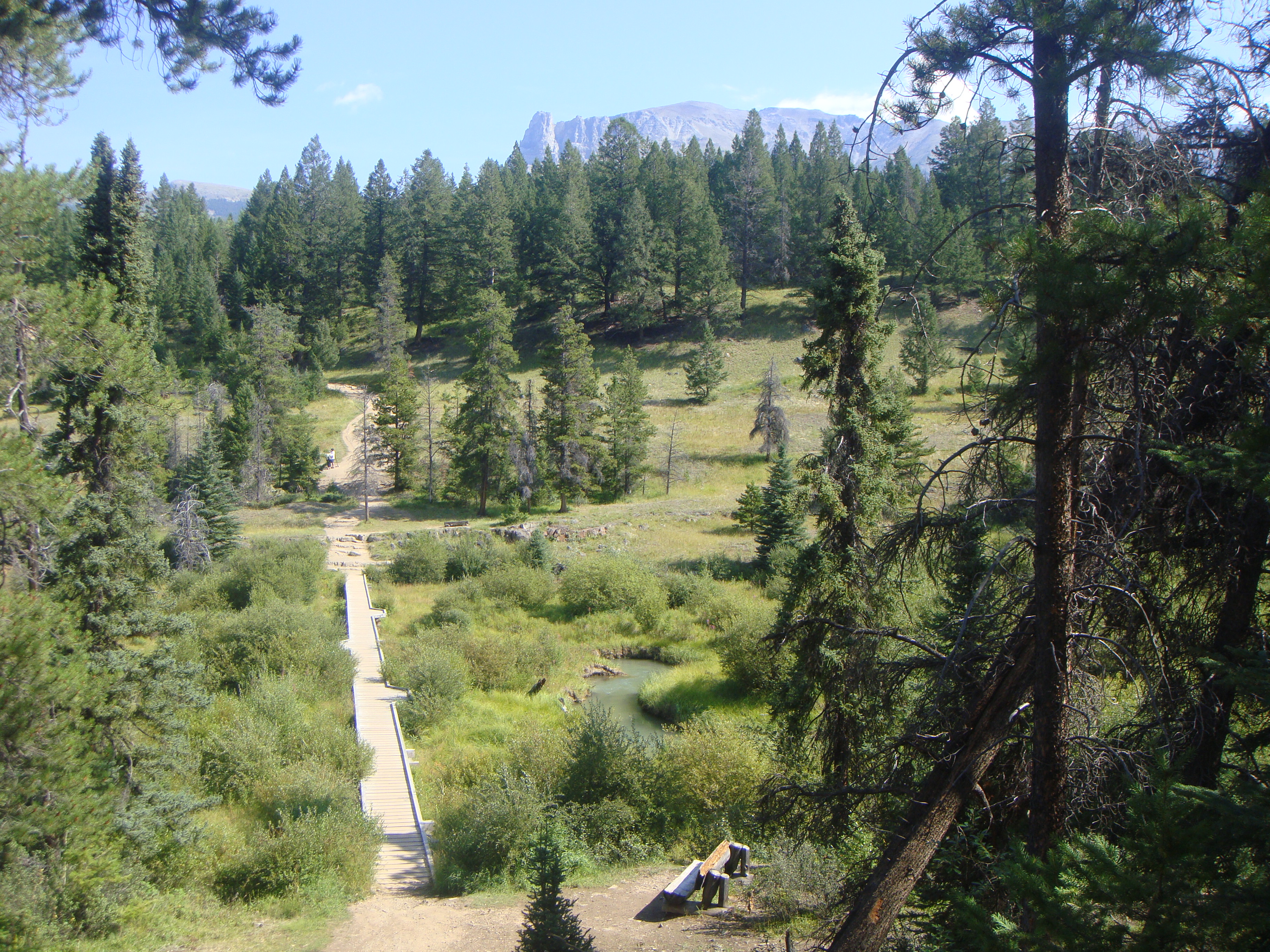
We hiked for two hours in the Valley of Five Lakes and could have spent more time exploring the small lakes. We crossed the Wabasso Creek and its valley before beginning our ascent. What is surprising about this hiking area, is it is only about 10 minutes from the town site.

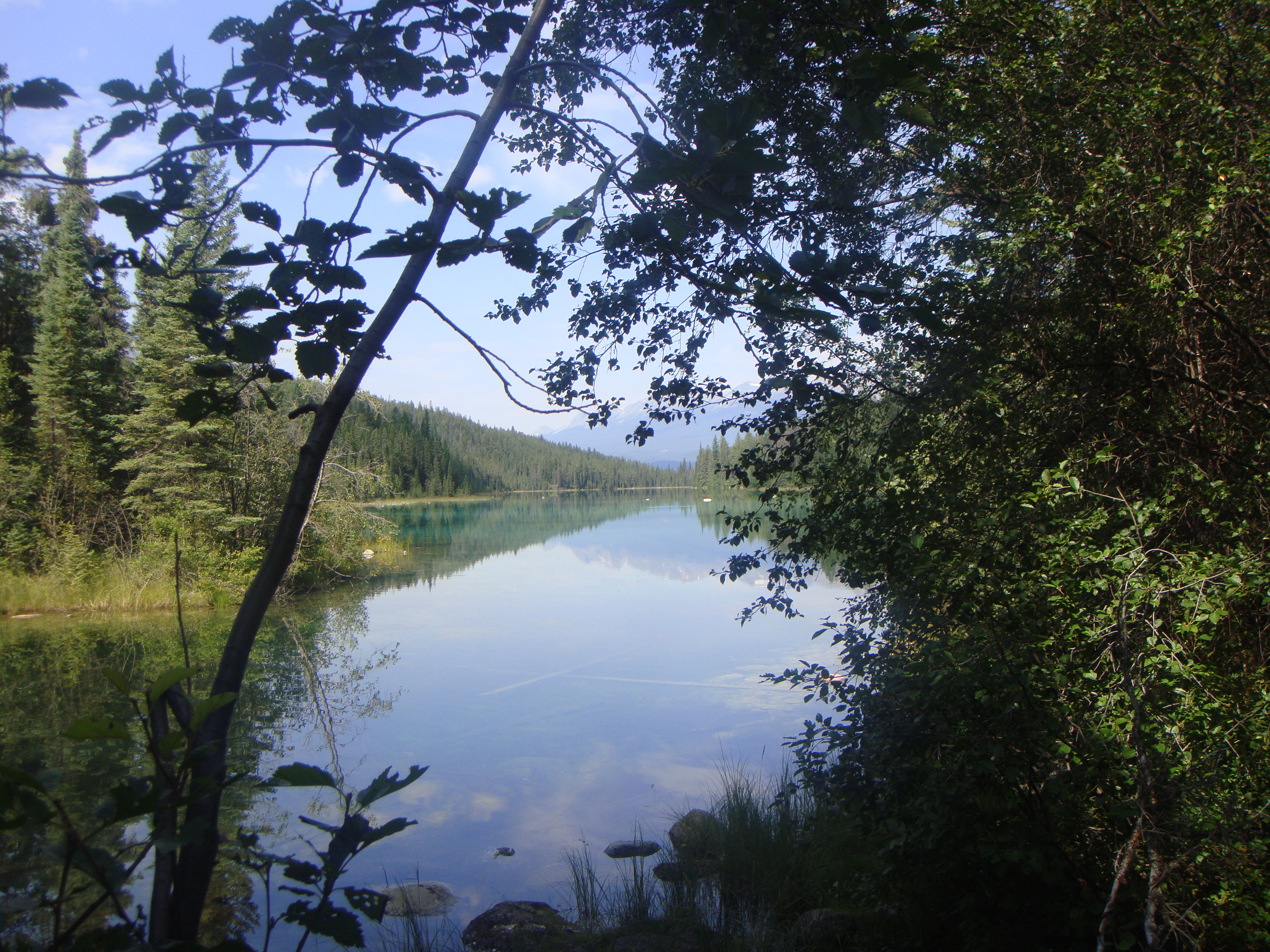
We had no easy access to the first lake (they are unnamed), but I used the trees to frame the lake and its prettiness. One of the things we noted about all the lakes was the way they mirrored their surroundings.

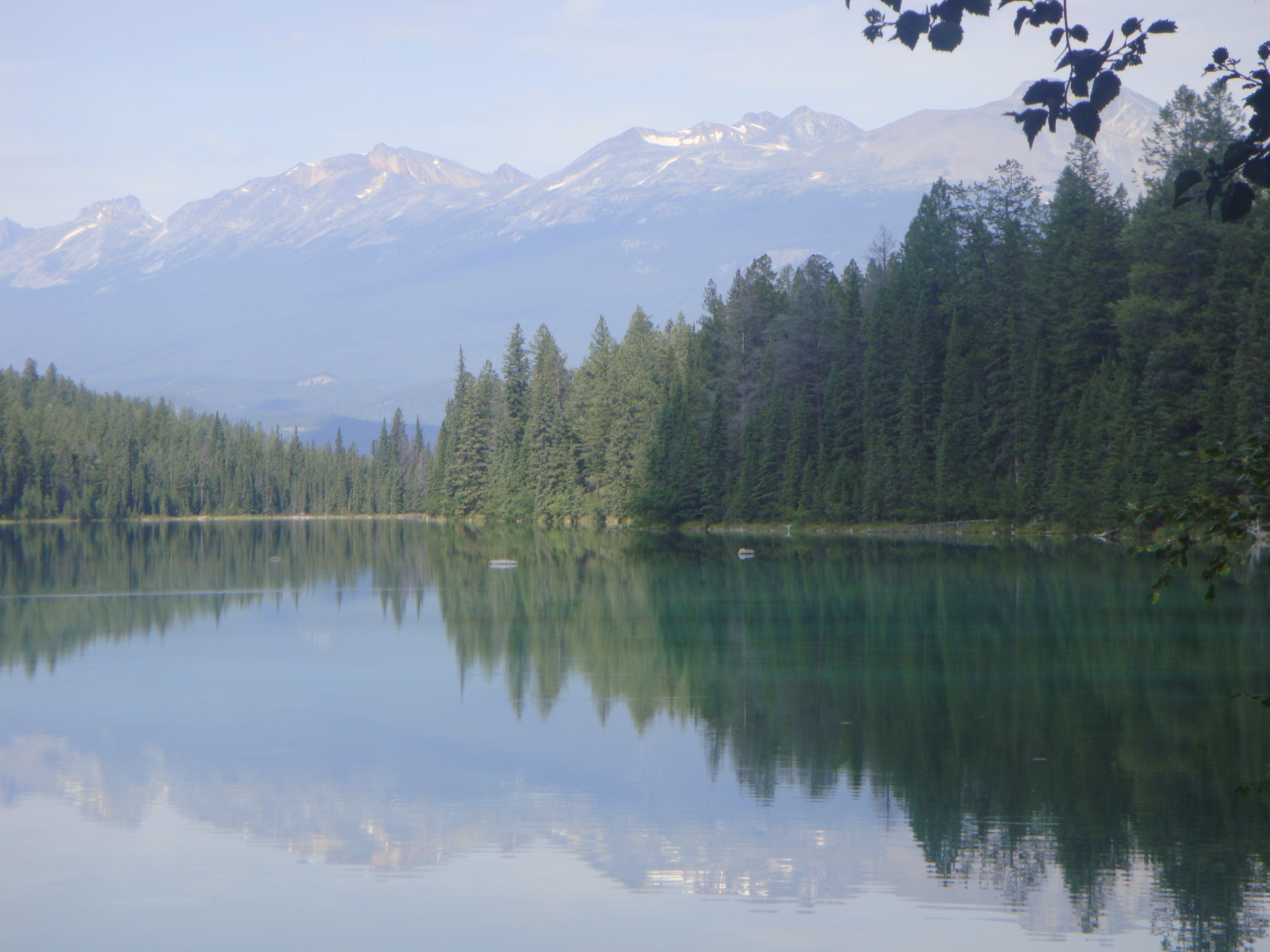
The second lake mirrors the mountains and trees vividly in shimmering waters below.

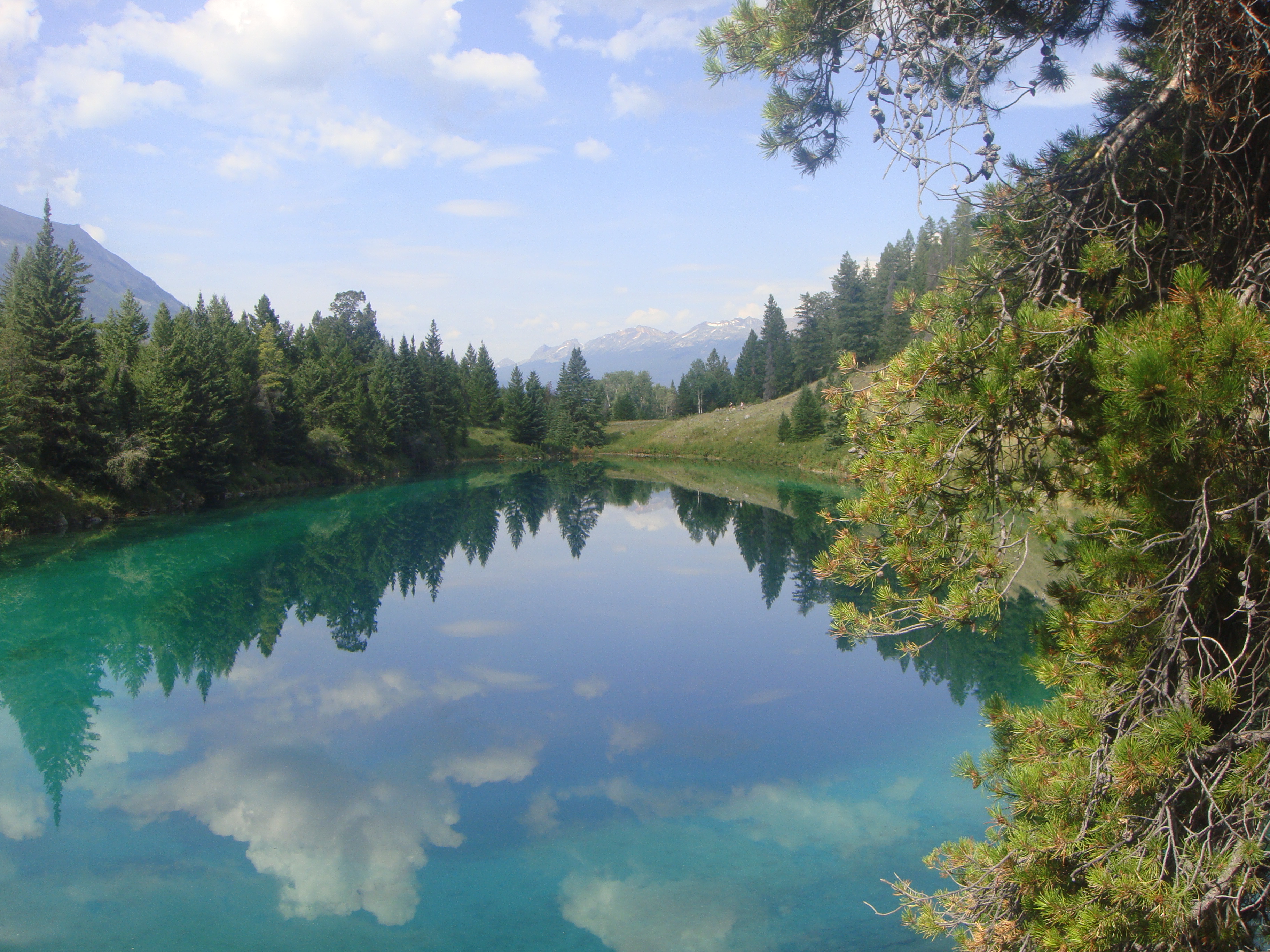
The third lake is a deep green and is very deep in the middle. This lake reflected clouds and trees. The green appeared to be algal growth and not from the source of the water.

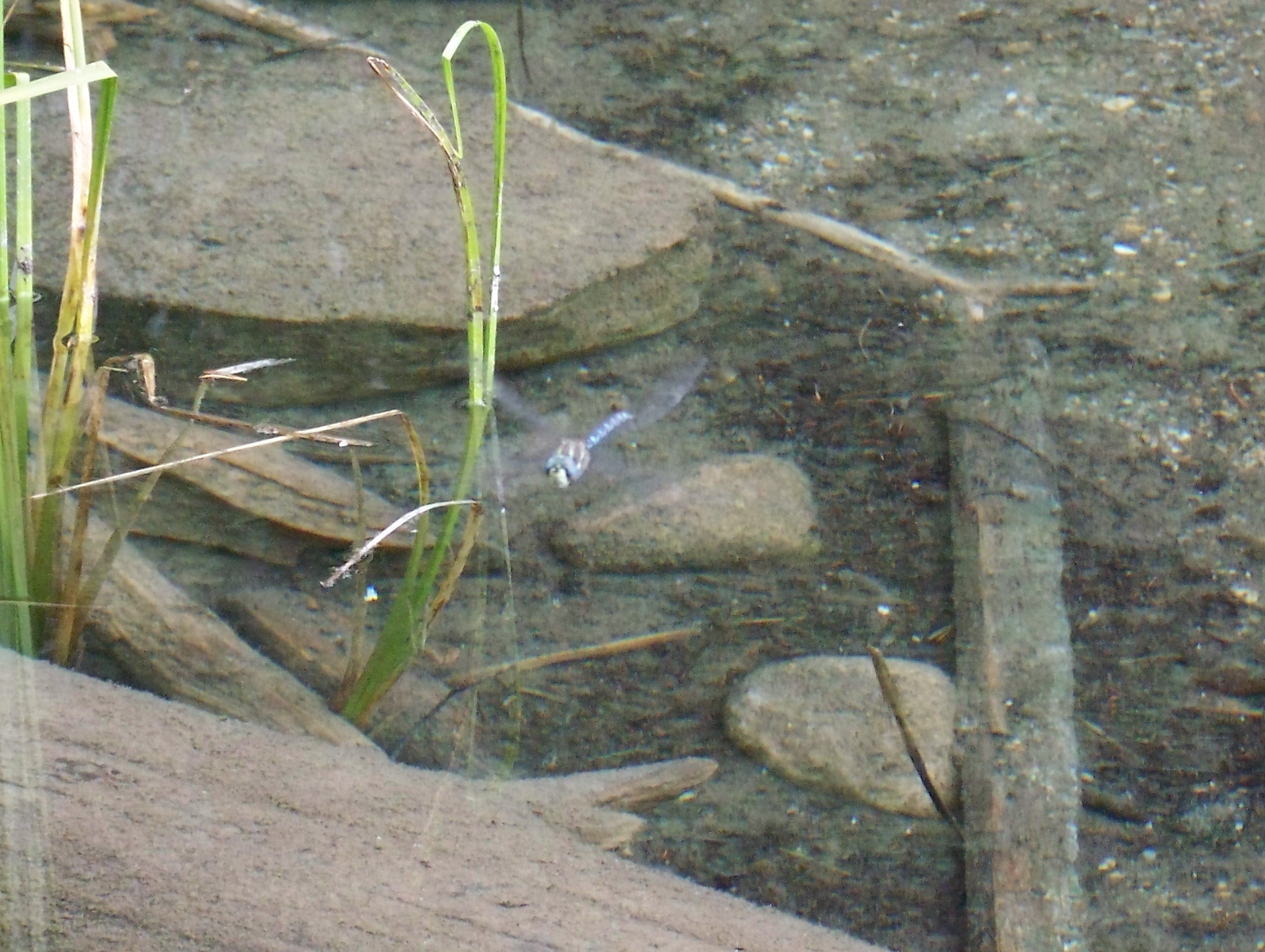
We could not get a good angle for pictures of the fourth lake, but it was the home of frolicking dragonflies. Kathy captured this one with amazing patience.

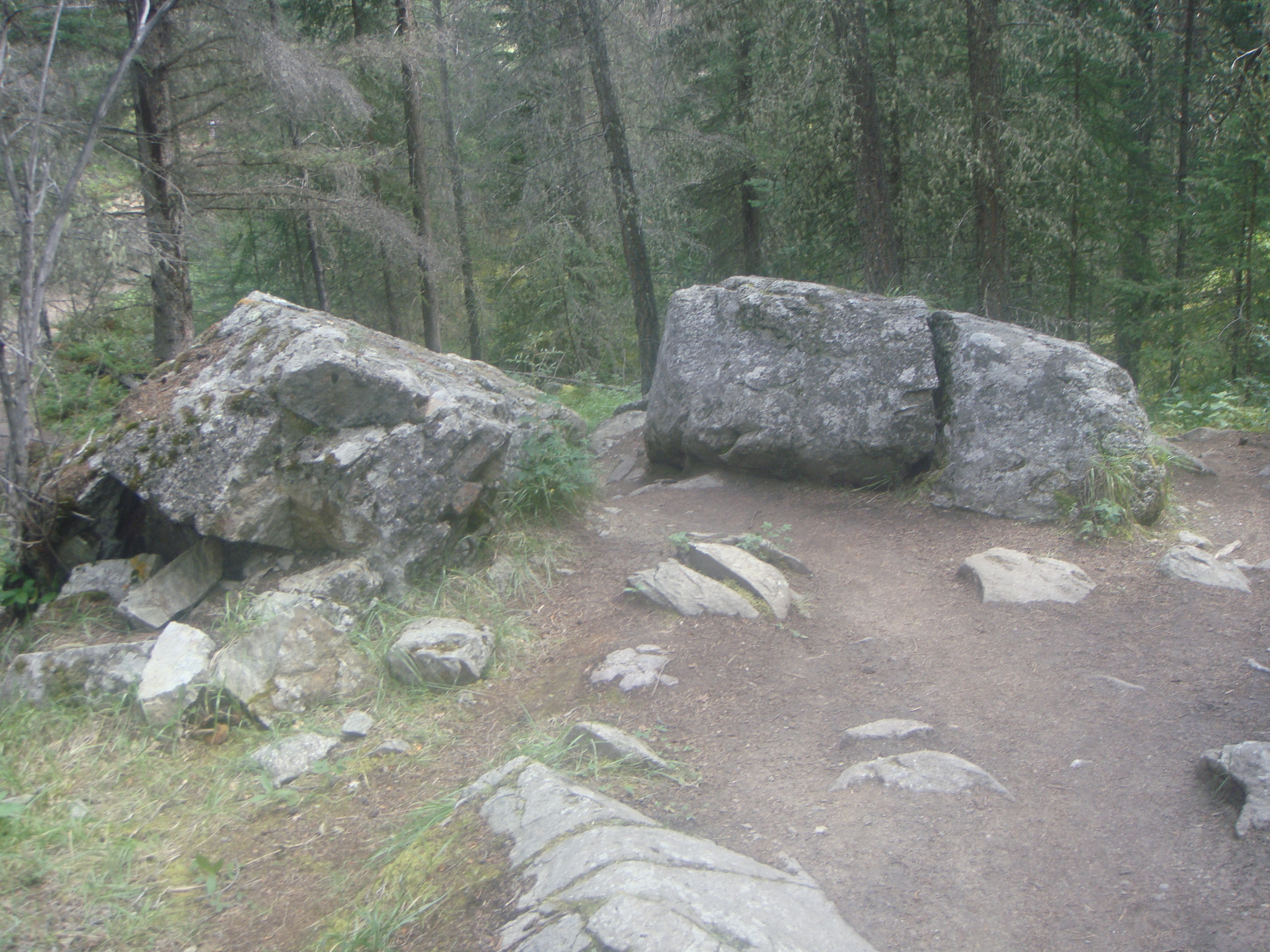
We only got glimpses of the fifth lake. Thick foliage and steep banks surrounded it. We tried several different paths but to no avail. One thing along the paths was the frequency of large rocks left by glaciers which formed this valley and its small lakes.

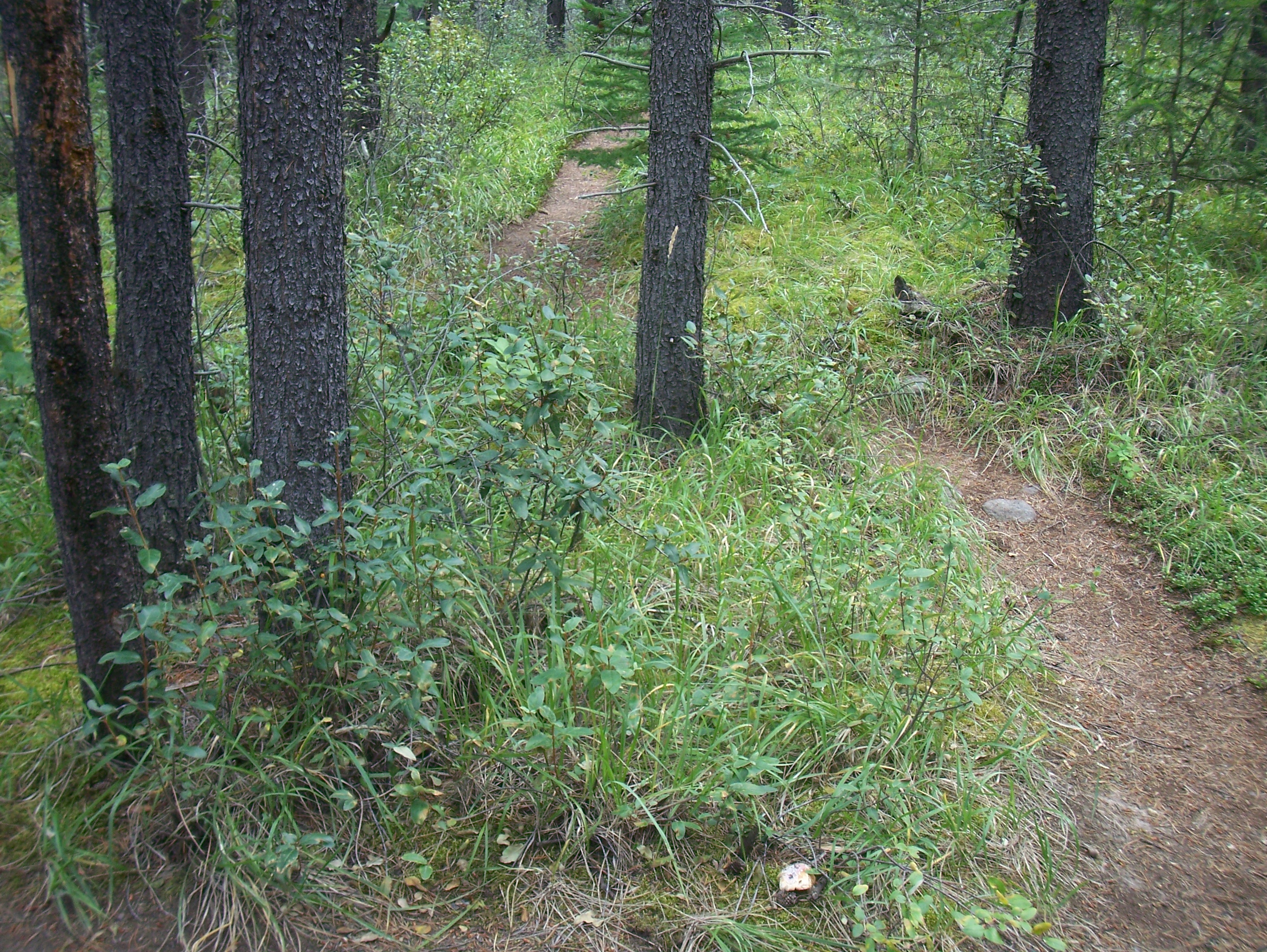
I enjoy Robert Frost’s The Road Less Traveled. As we began our hike, we saw this path and wondered where it went, but stayed on the main path. As we climbed back out of the Valley of Five Lakes we had a choice: go right or go left. We chose right and found ourselves on the path we wondered about almost two hours before. We took the road less traveled. It was a challenging part of the trip physically.

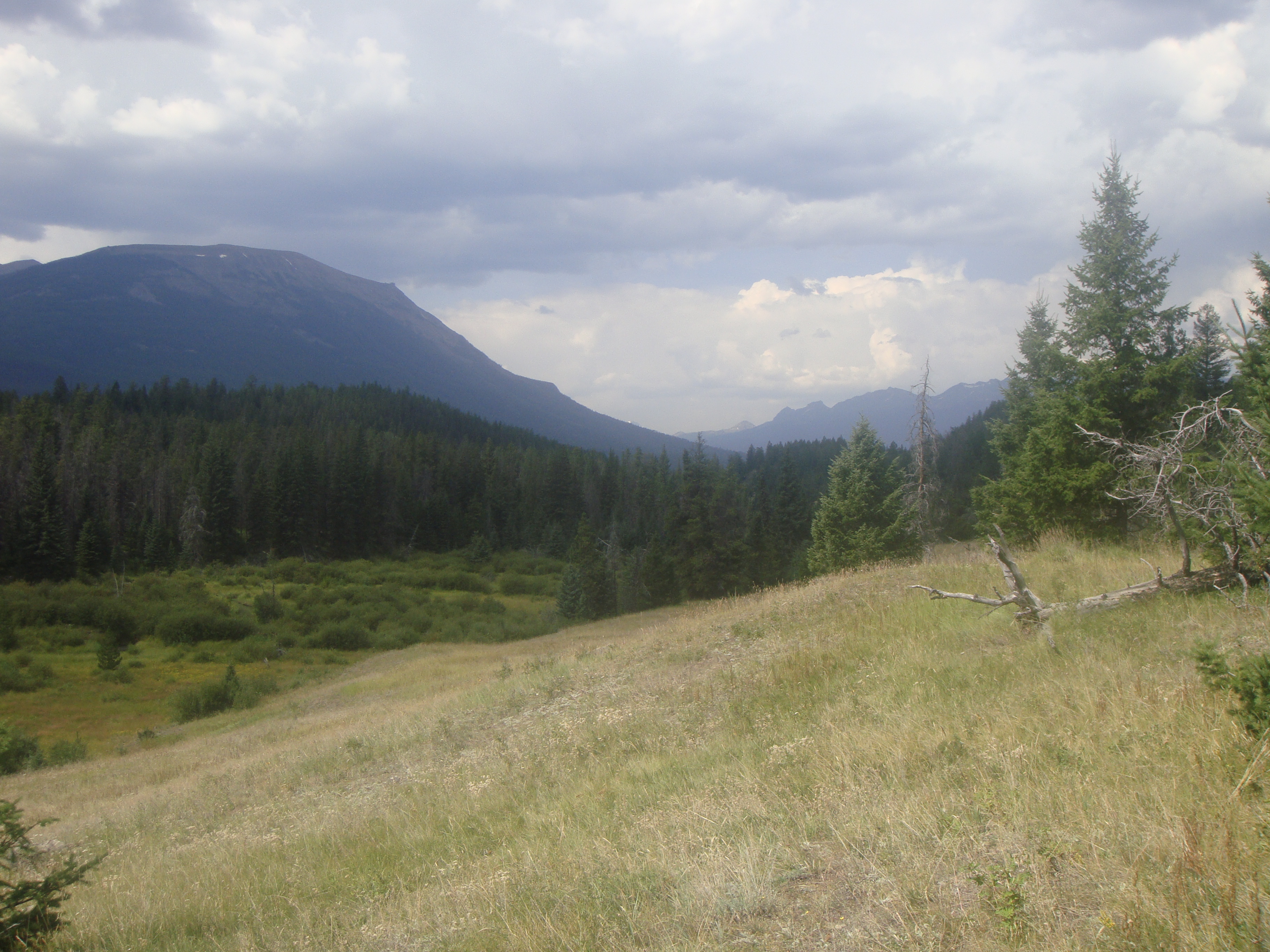
And, at the end,

We emerged at the beginning

At the trail head,

Mountains rediscovered

Blue skies gone

Clouds not only threatened;

They delivered a promise

Like our day.

Jasper National Park Day 1

Kathy and I are in Jasper for a couple of days. It was a great way to spend the Sabbath.

I find it deceptively spectacular here. In Waterton, did a lot in three days, but here you have to choose; there are so many places to go. It is a larger park with a much longer connected set of trails.

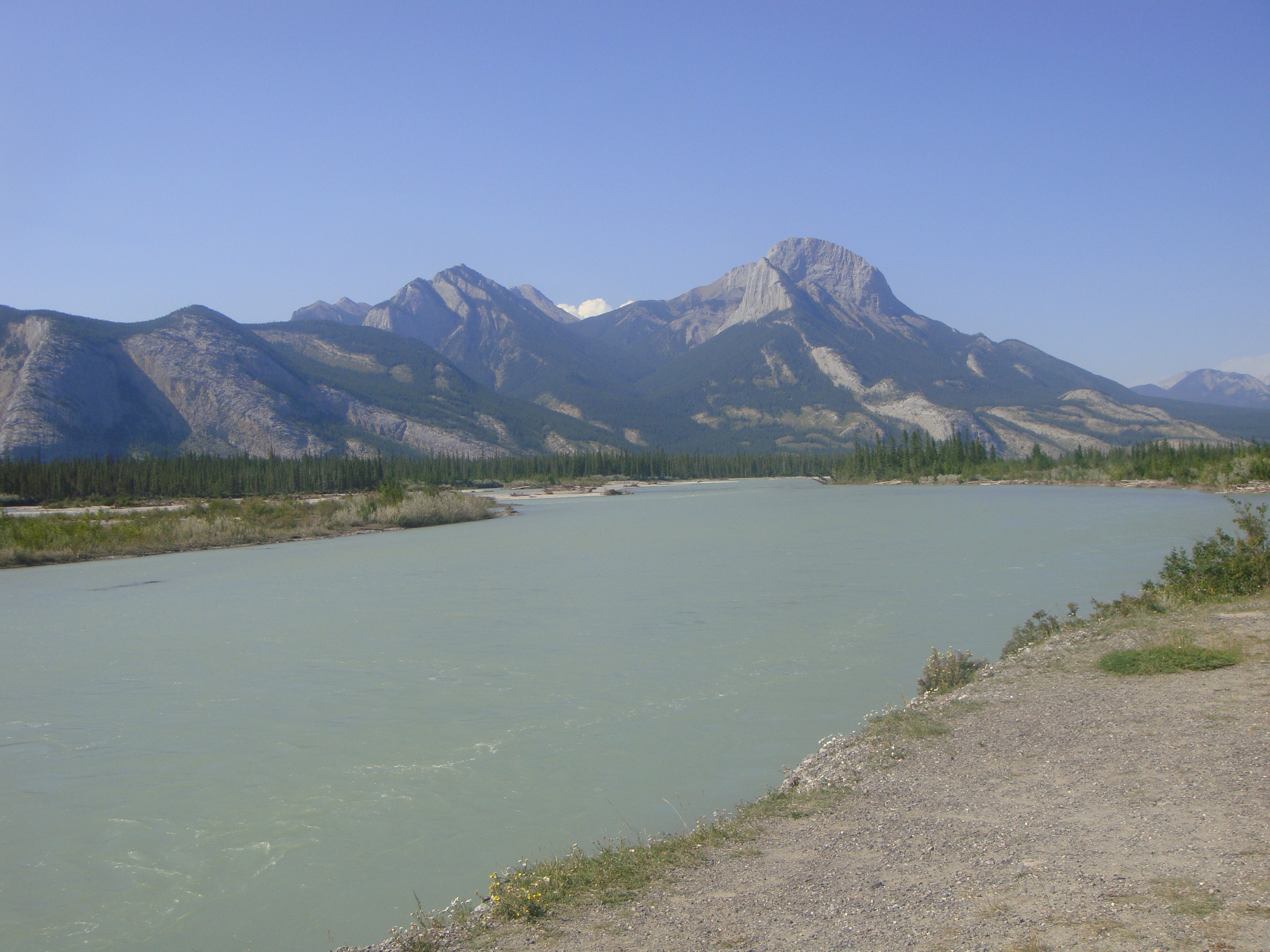
We took the first pictures a few kilometres inside the park. This is looking east and downstream on the Athabasca River. The Athabasca originates at the foot of the Columbia Icefield. It joins the Peace River and forms the Slave River, which flows into the Great Slave Lake where the Mackenzie River discharges and flows to the Arctic Ocean. From the source of the Athabasca a drop of water flows about 6200 km.

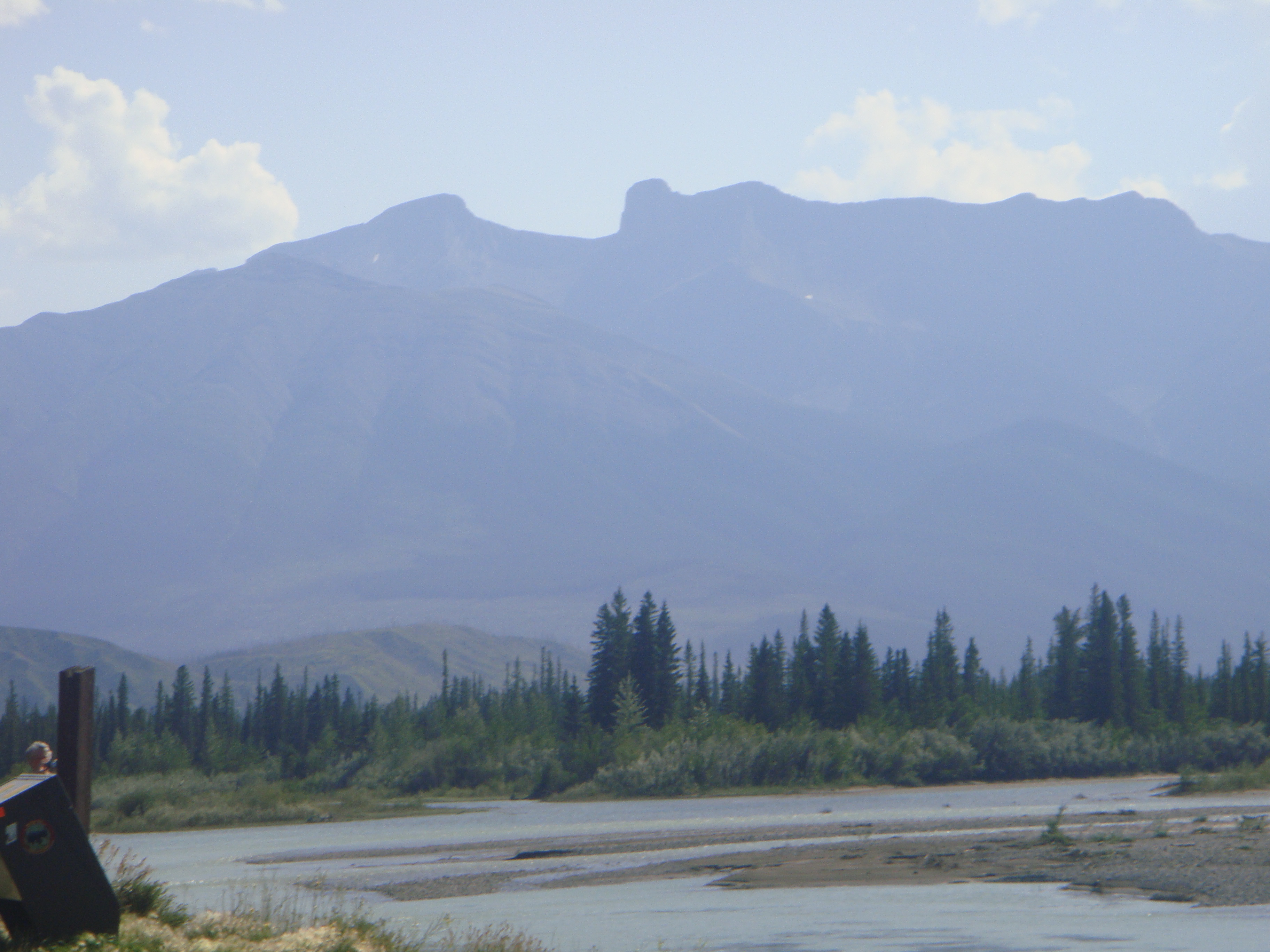
This is an upstream view of the Athabasca River. What looks like a ‘saddle’ on the mountain in the middle, is actually two mountain peaks. As we drove closer to town, the angle shifted and the distinct shape of both mountains became visible. Further upstream, people wade a 100 metres out into the river and, depending on snow melt, there is sometimes only the main channel of the river. Today, it is running high.

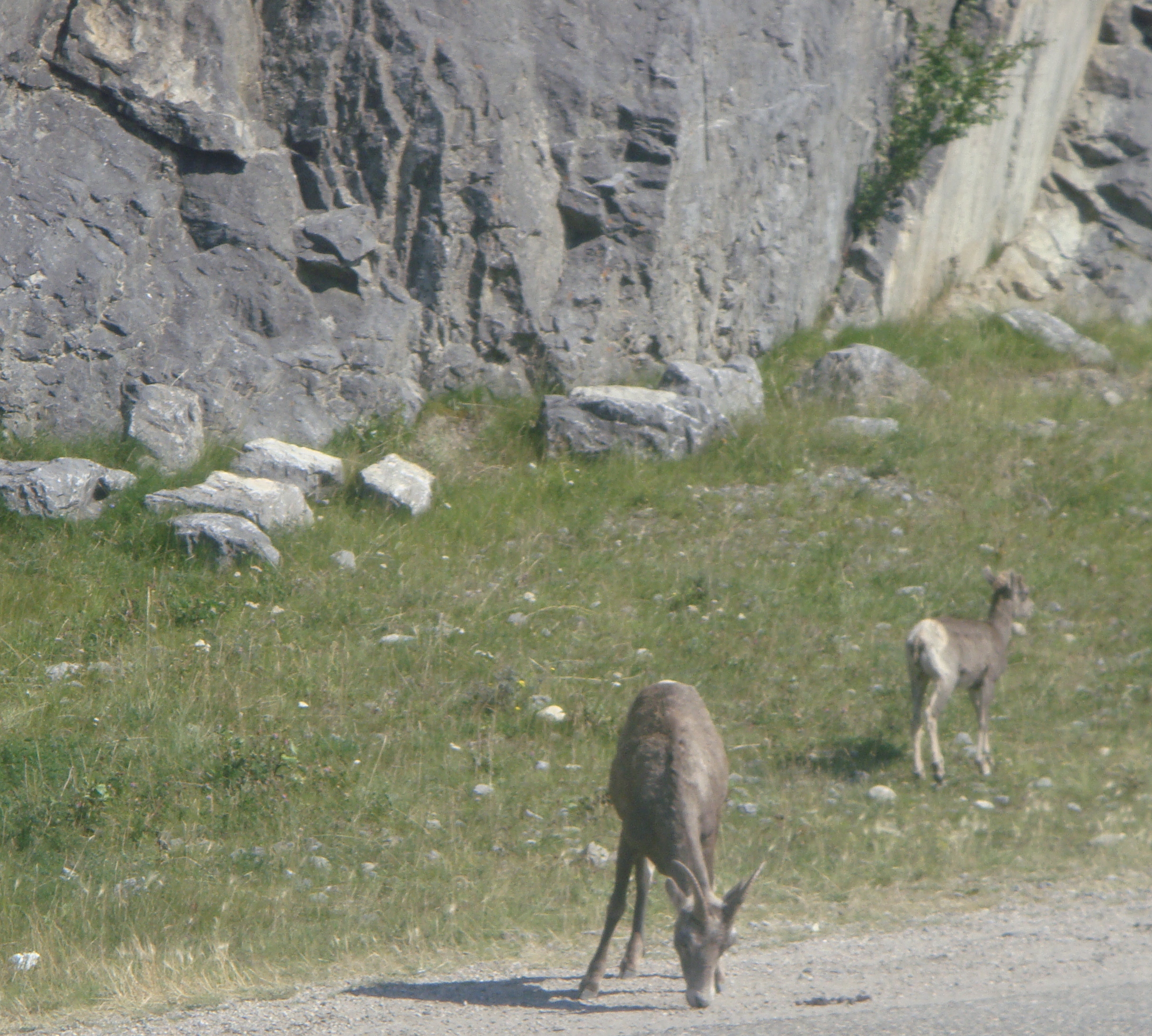
We don’t stop very often for mountain sheep. They are fairly common along the roadside, but we don’t often get an opportunity for a picture of a ewe and lamb.

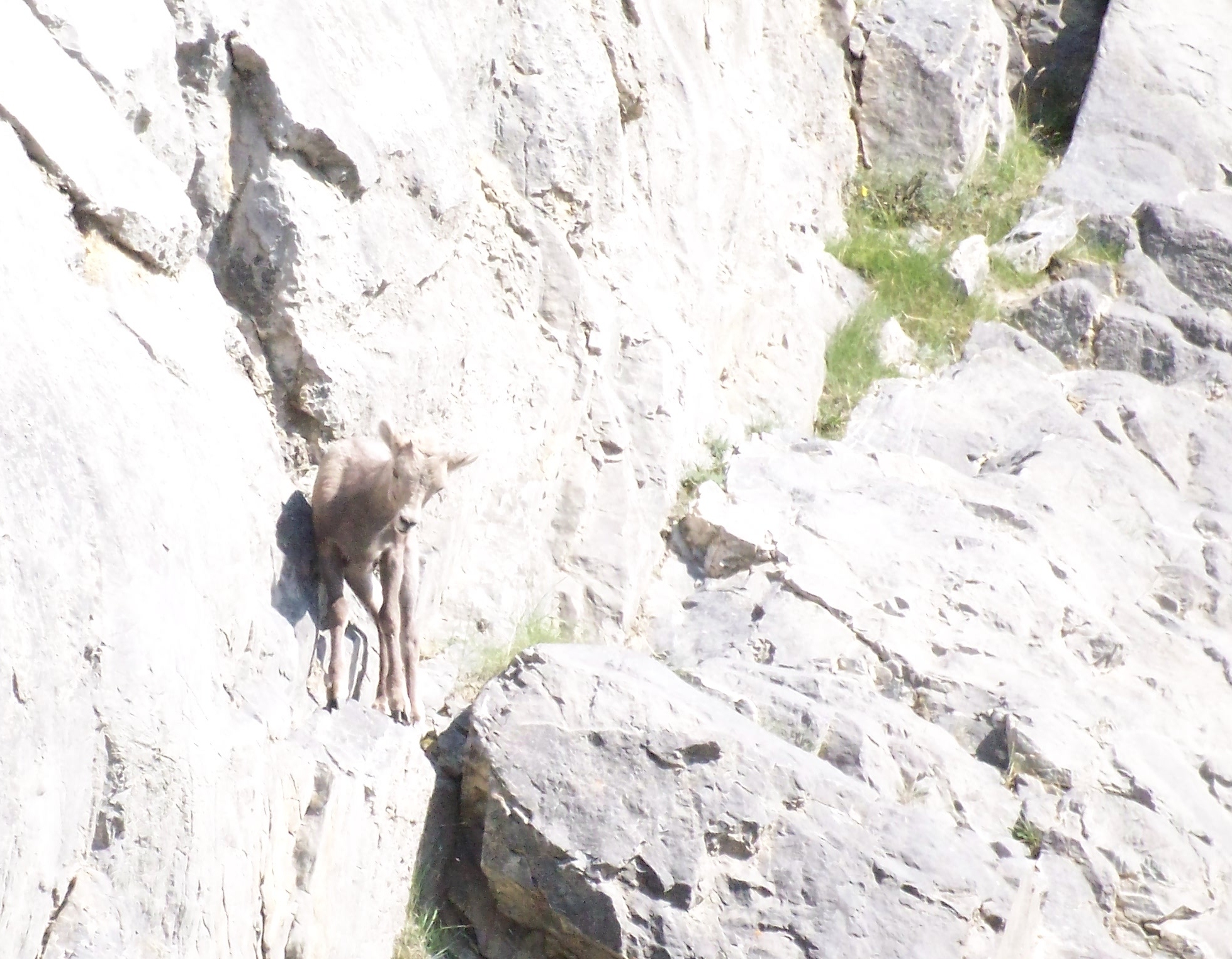
We don’t often get this chance either. It appeared as though the little ones were learning climbing skills. This one stopped and posed; looking straight into the camera.

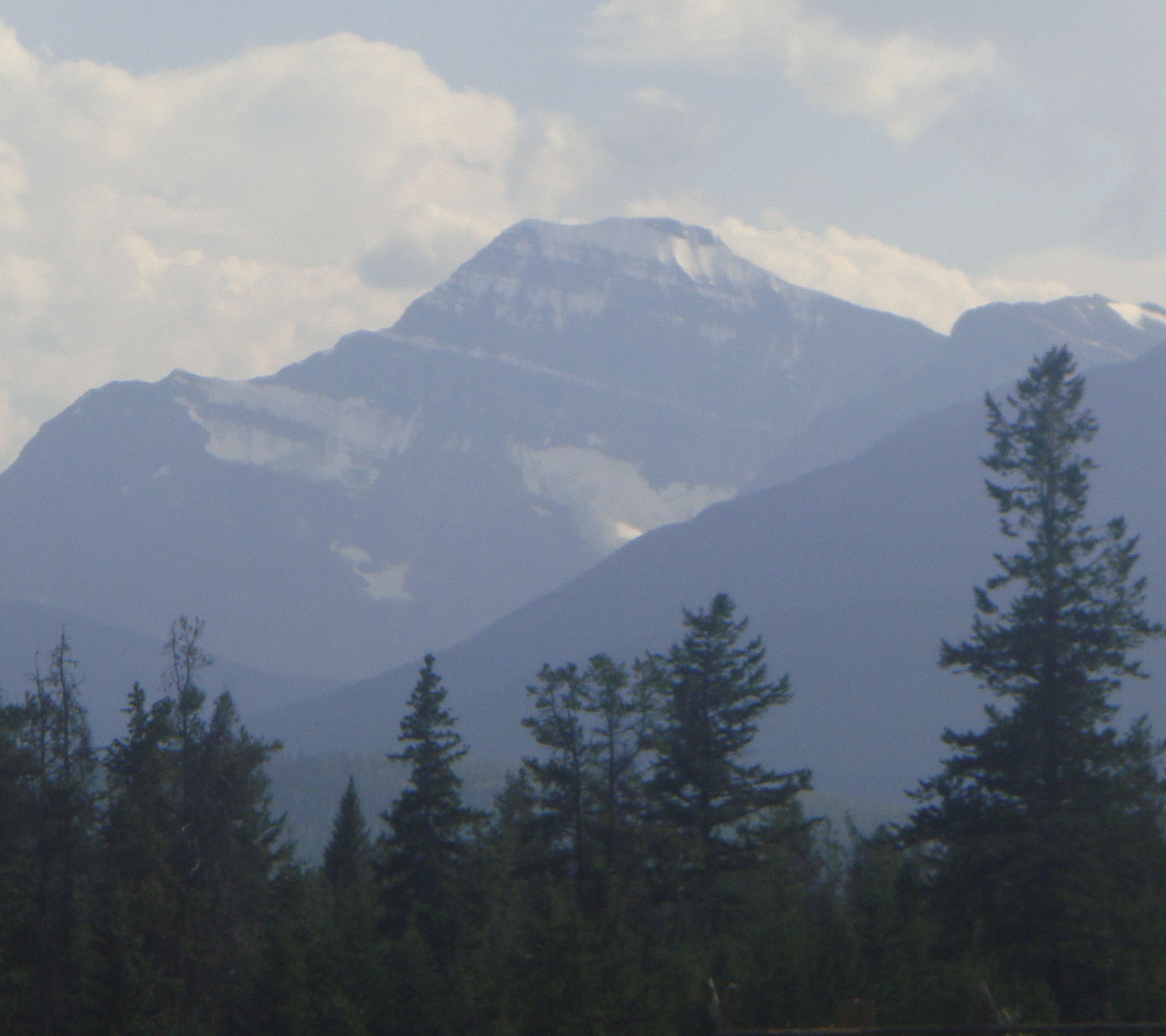
Mount Edith Cavell is a prominent feature in the Park. It is visible from a variety of locations and has many hiking trails. Park officials closed the mountain to hiking due to a recent ‘avalanche.’ The dark spot between the two large white areas was a large block of glacier which recently collapsed. We took the picture on Highway 93 (Icefields Parkway) which is the highway to Banff.

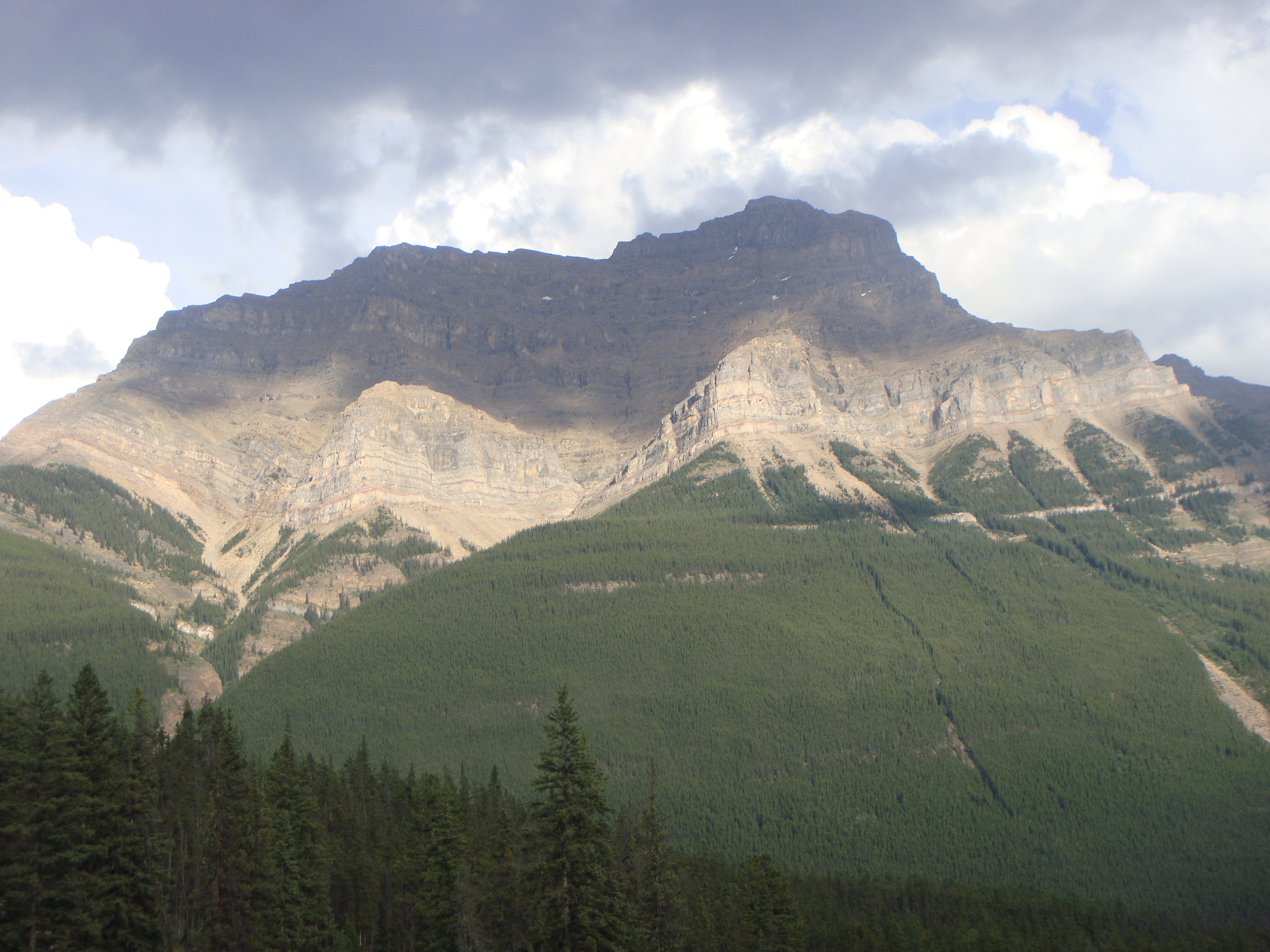
This is Mount Kerkeslin which is on the opposite side of the Highway 93. We took this picture later in the day with shadows and it had become overcast with rain showers popping in and out of the area.

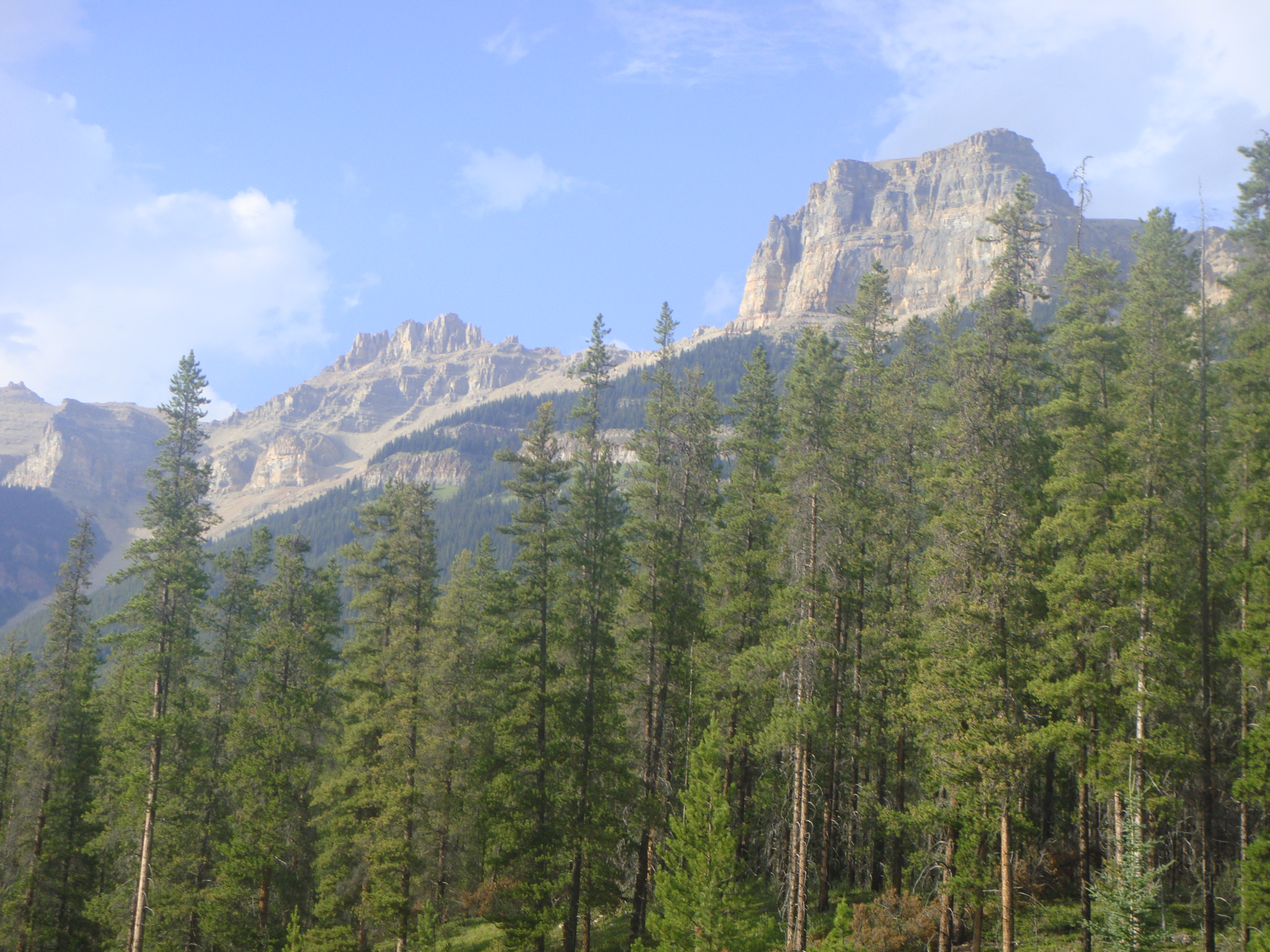
These are some palisades that tower over the valley a little further south of Mount Kerkeslin.

Today, we are off to do some hiking and sightseeing in Maligne Canyon and the Valley Five Lakes Loop.

Sabbath and Haiku Haven

I am unsure whether I will be back today. We are sorting out our home Internet issues. We think the router blew up in a recent storm. This was good, because it was an unplanned daily Sabbath for me.

On a routine morning drive, I observed the sun rising in my rear view mirror with the moon still visible. It was early in the school year and I had just returned from BC. I began that morning’s haiku class with poems which described phenomena I took for granted most days. I try to emphasize for students poetry is the routinely observed. Poetry lifts it to the extraordinary nature of things often taken for granted. I try model this through poetry chosen and shared i.e. Pablo Neruda and Mary Oliver and I write poetry on what I observe in life.

Majestically,

Touching endless sky above

Roots firmly grounded.

Greeting and adieu

Sun and moon share the one sky

Guide our daily drive.

Water, Snow, and Ice

insignificant

countless gathering form one

majestic power

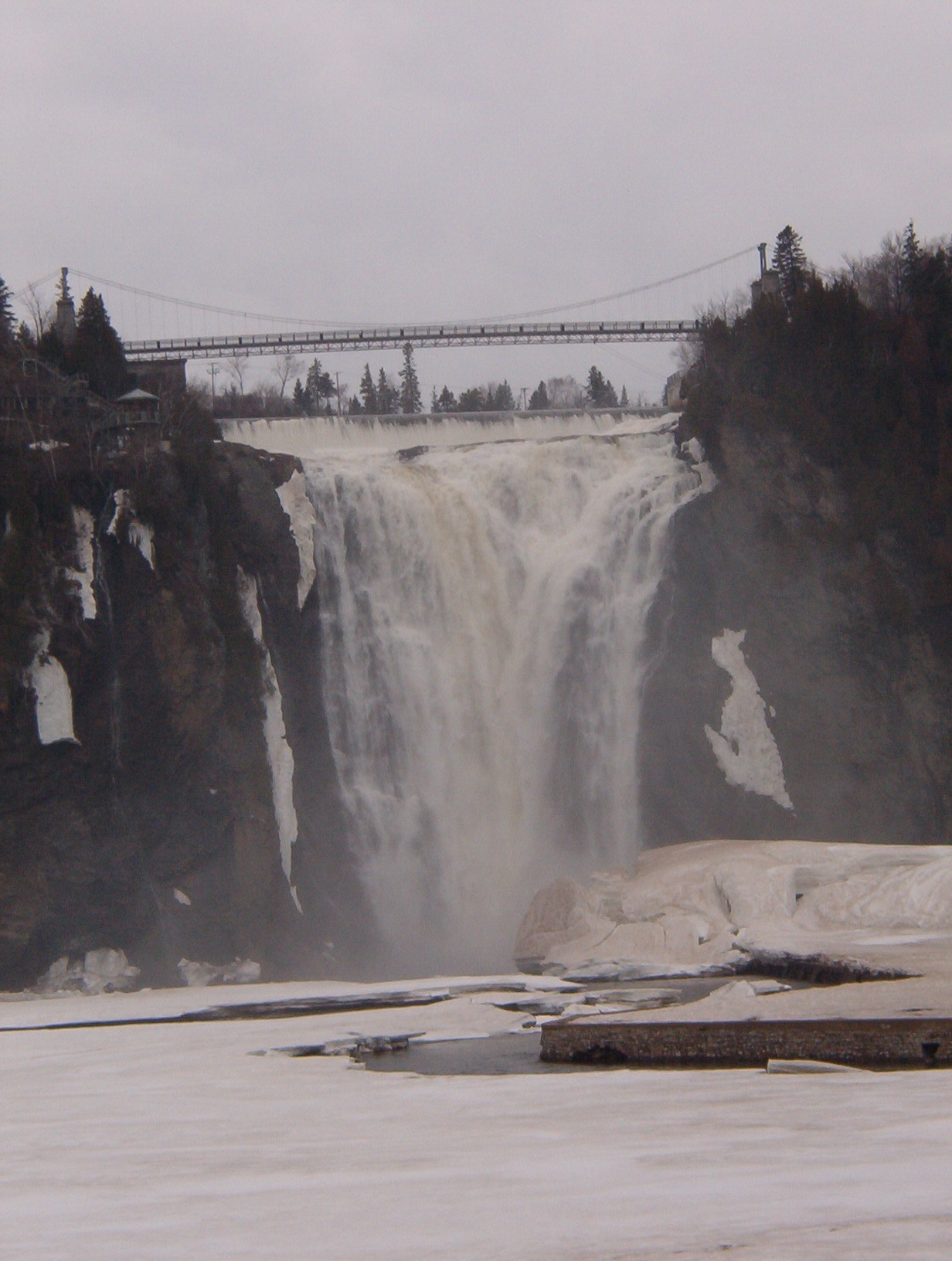
This is  a winter picture of La Chute (waterfall in English) Montmorency just outside Quebec City. At the base of the falls, around the open water, fly fishermen will be out during the summer. What you see a the top is a walkway across the falls and there is a tram just to the right of this picture. The St. Lawrence River is only a few hundred metres from the base of the falls.

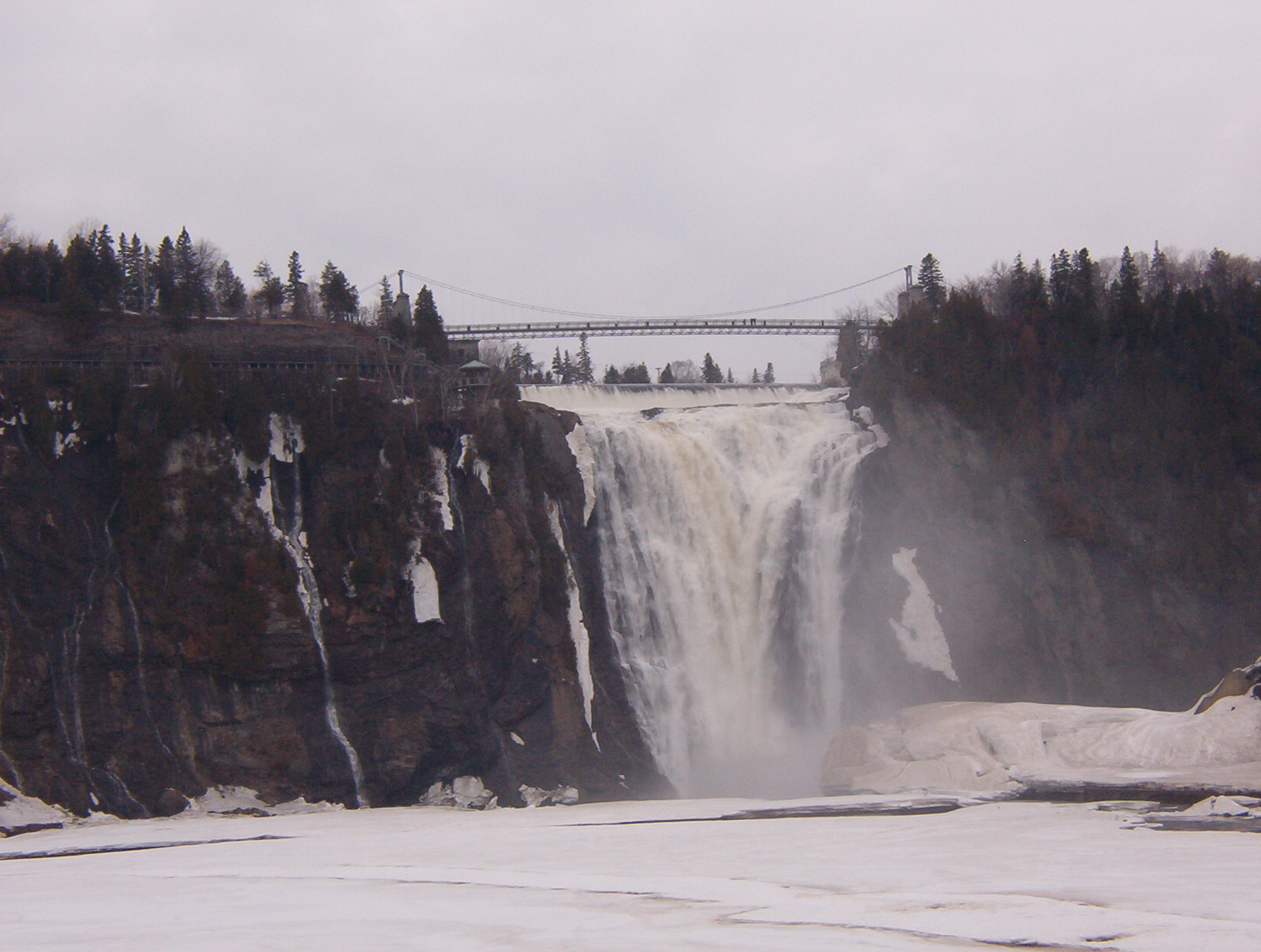
Here is a second picture of the falls. When Kathy and I were determined to see these falls. The pictures do not do them justice, but, as you can tell even in winter, they are spectacular. While driving across Le Pont Pierre-Laporte my fear of heights kicked in when I realized how far above the St. Lawrence we were. I needed to be in the right lane, but there was no way I was getting that close to the edge and it took creative driving on the far side of the bridge to get to the falls.

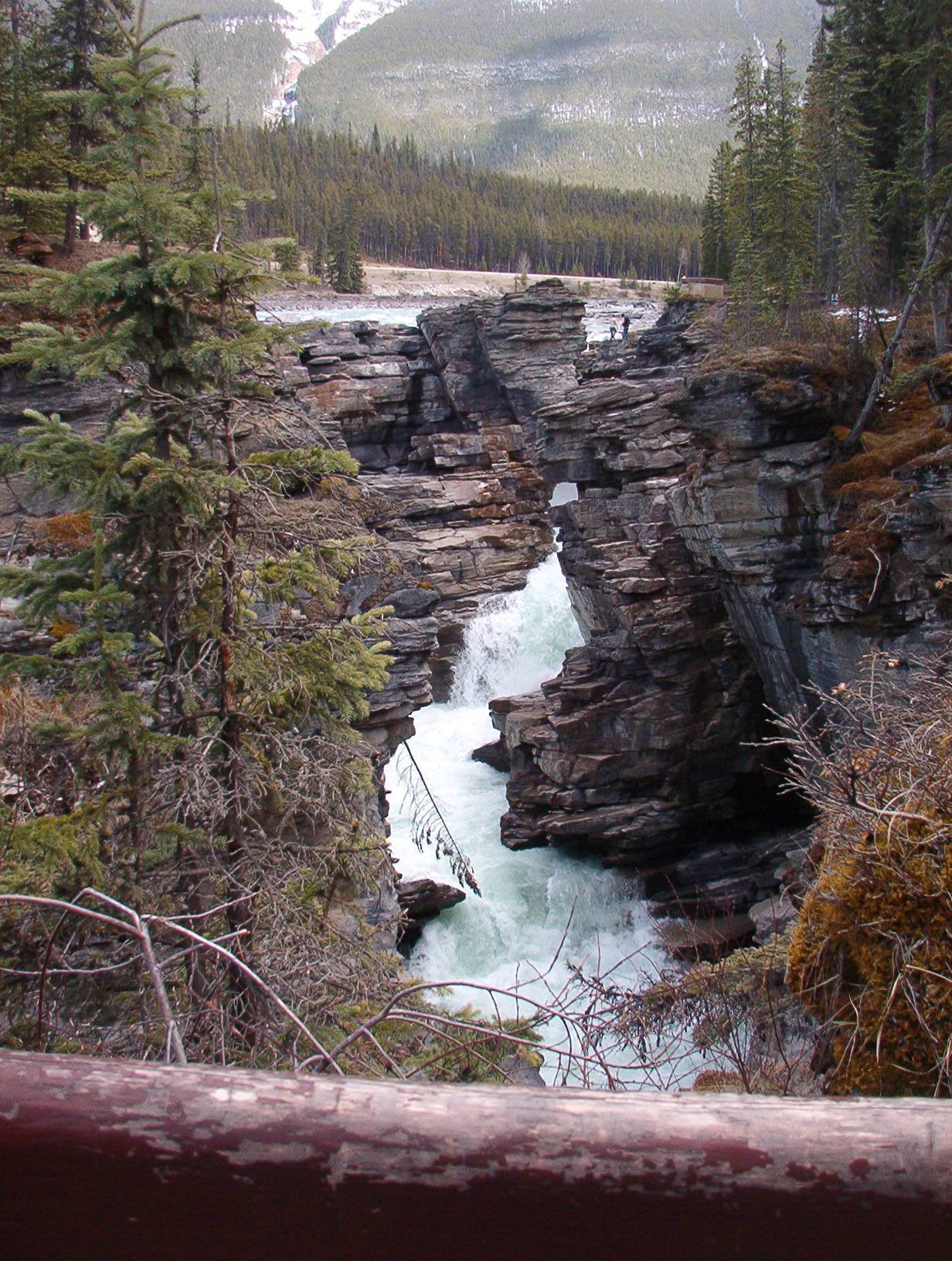
This is Athabasca Falls in Jasper National Park. You can see the Athabasca River in the background. Even in the park, it is a wide river at this point and it narrows quickly to shoot through the gorge. Kathy took this picture from the small wooden bridge that goes over the falls. You can just see the railing in the foreground. When you cross the bridge, you can walk up-stream along the river for several kilometres.

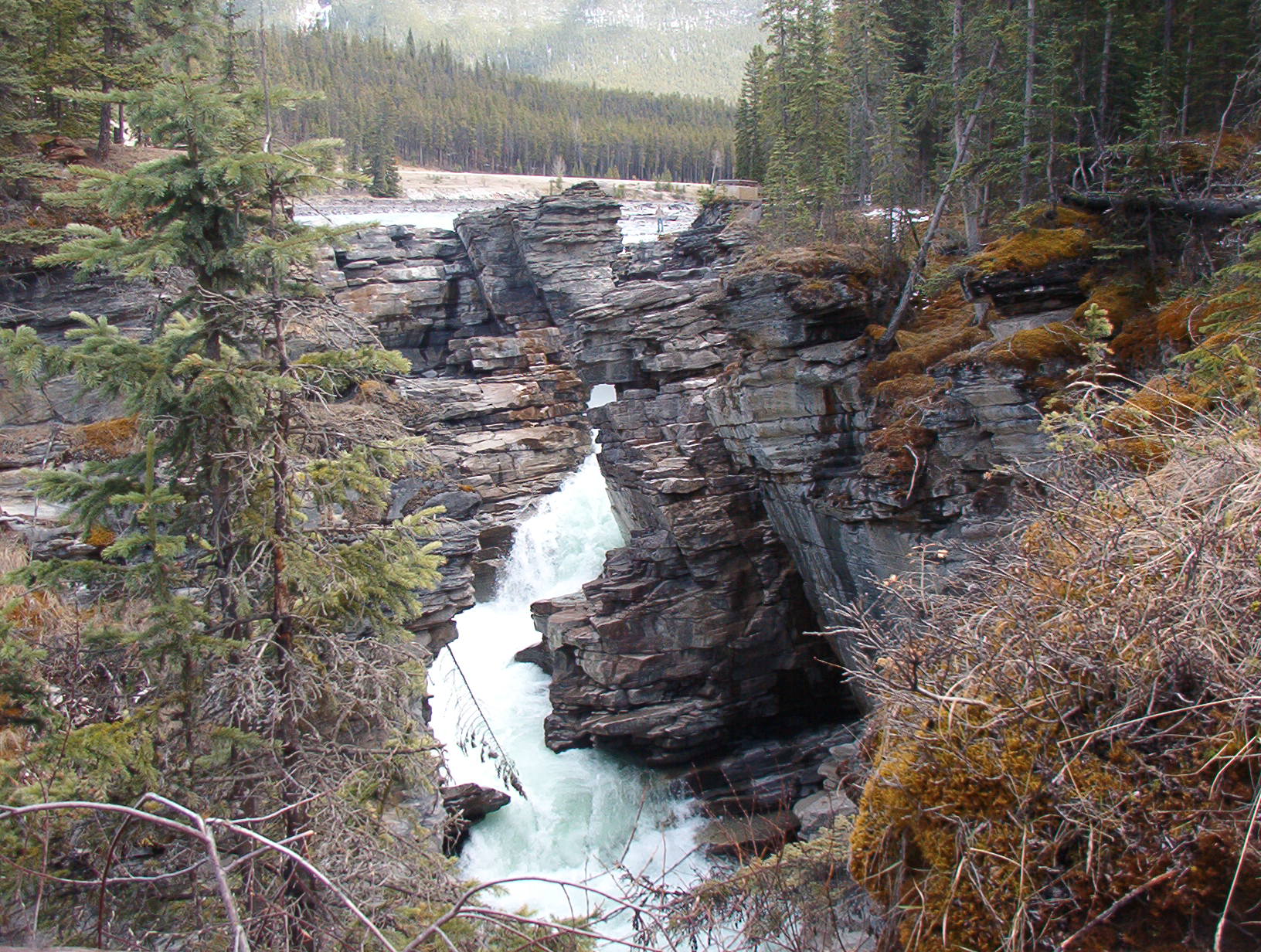
This is a slightly different view of the falls. The force of the water passing through the gorge has created a new stream bed. The water cut through solid granite. Below, you see one of the many mountains along Highway 93 between Jasper and  Banff.

This is a view of one of the many mountains along Highway 93 between Banff and Jasper and is not far from Athabasca Falls.

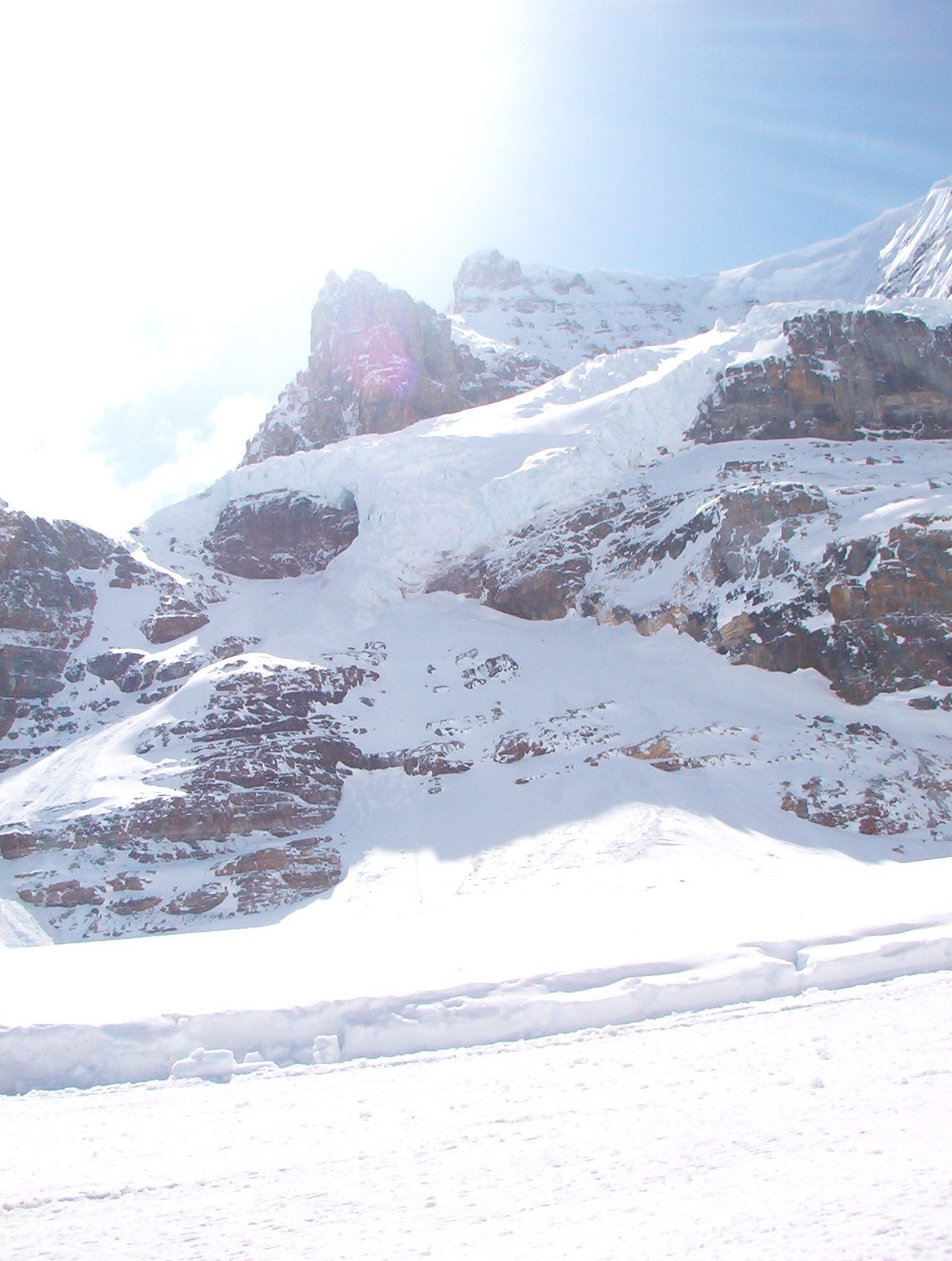
This is the Columbia Icefield looking back towards the source of the glacier and mountains. This is at the headwaters of the Athabasca River.

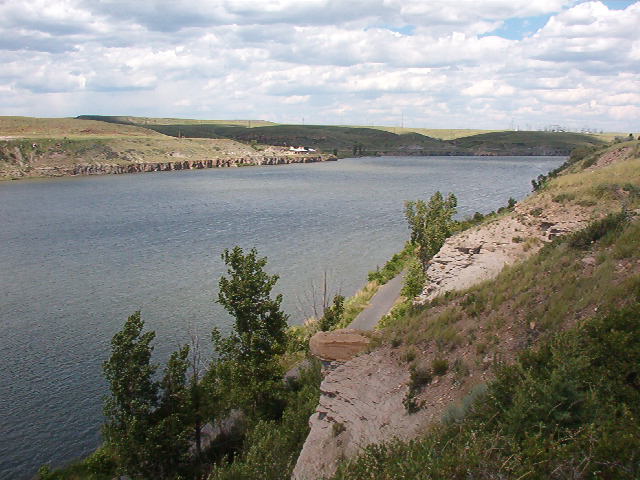
This is the Columbia River in Oregon. Although it is a spectacular view, I wonder what price we pay for progress:? Under that water, lies a spectacular river with rapids and waterfalls. Also hidden from view is a way of life of people who settled along this magnificent river. What a loss!

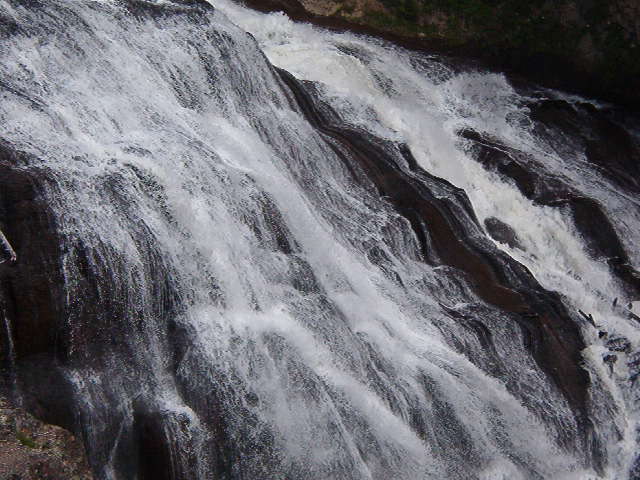
This was a small waterfall along the Continental Divide in Yellowstone.

An Extraordinary World

I am reading a book called The Radical Christian Life by Joan Chittister. A line that stood out was “spend our time well, to contemplate the divine in the human, to treat everything in the world as sacred. We need the wisdom of stewardship.” I recalled the Buddhist concept of the extraordinary explained by Thich Nhat Hanh. A story he recounted was about an oak tree at Plum Village. Attendees stop and literally become tree huggers as they hug that tree and admire its splendour. With small actions, humans move from seeing themselves as part of the world not separate and superior to the world we share with all of Creation. There are things and times I take for granted.

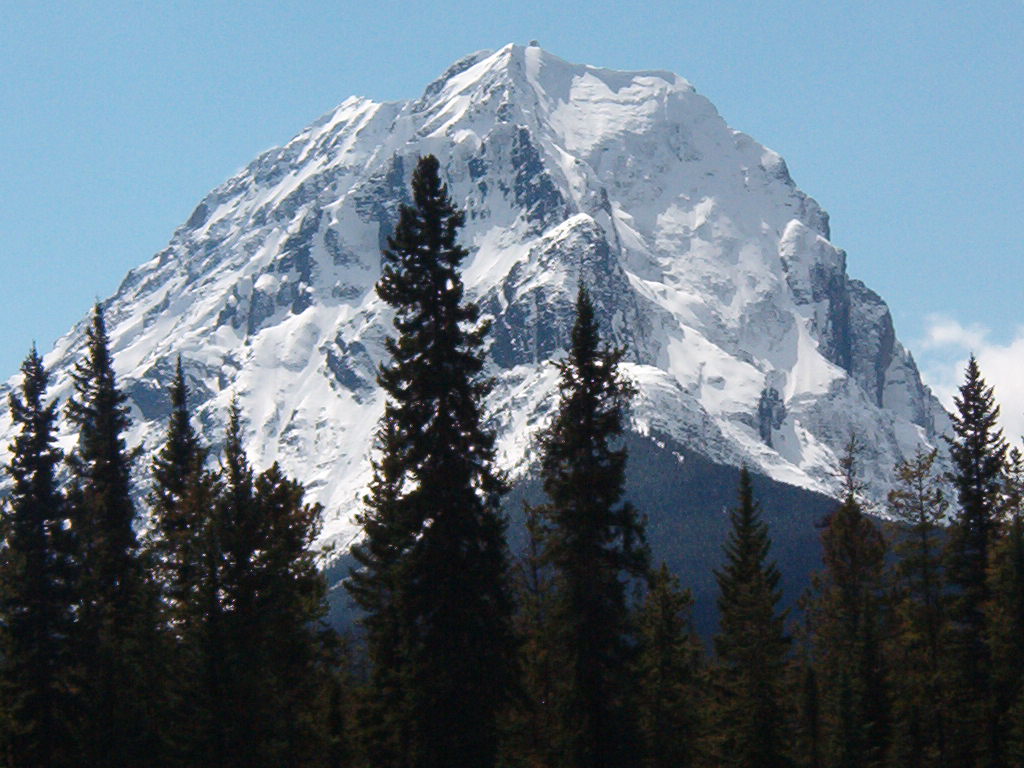
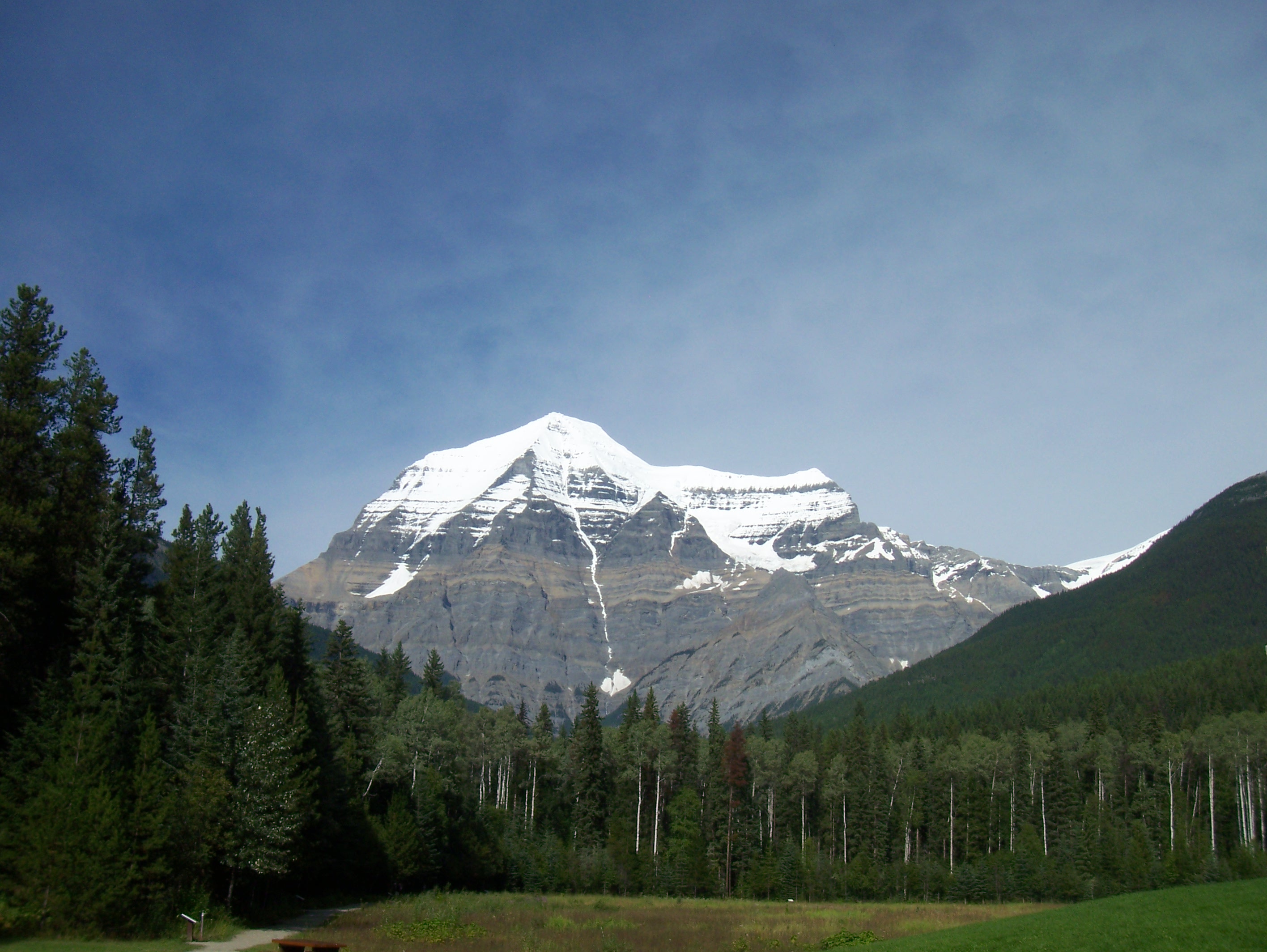
We regularly drive the Yellowhead Highway between Prince George and Edmonton. Recently, I realized it is extraordinary. Each trip we pass Mount Robson. Sometimes it is shrouded in clouds. Other times, it looks like this. It is always spectacular.

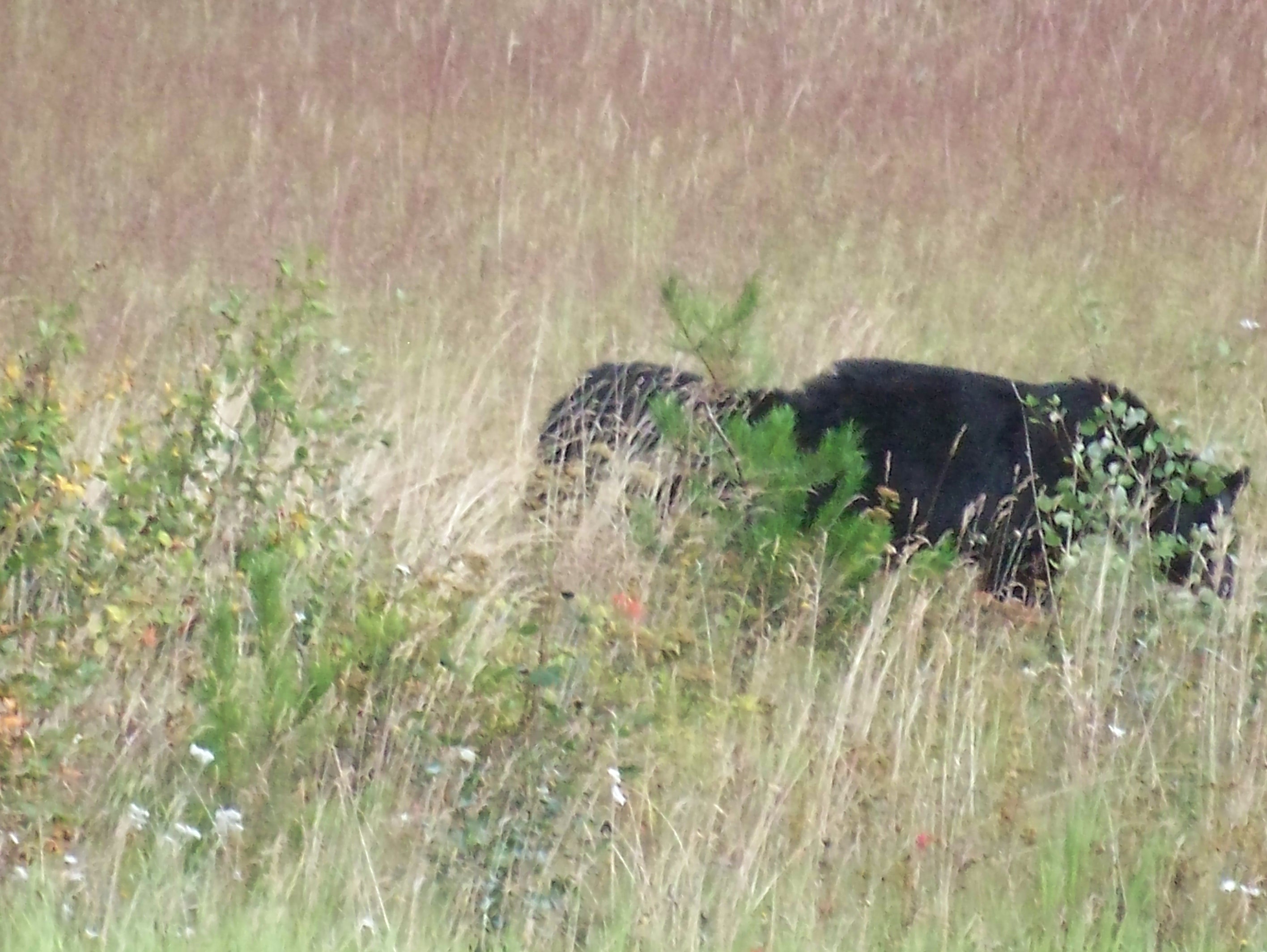
We observe wildlife: bear, elk, deer, goats, bald eagle etc. Last summer, I took a picture of two black bear feeding along the side of the road. They seemed quite unaware of my presence.

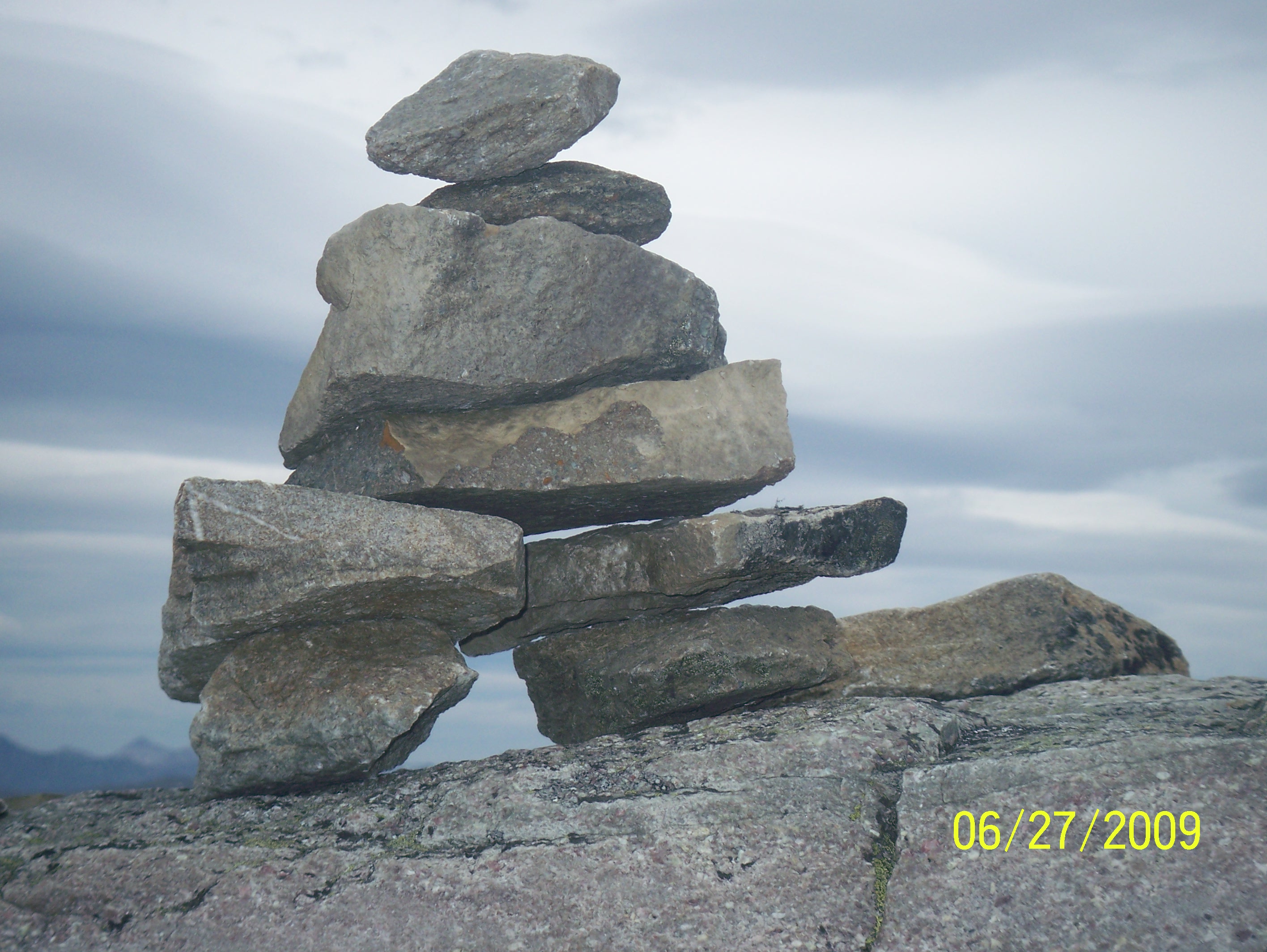
We took a picture of an Inukshuk in Jasper National Park. An Inukshuk is an Inuit symbol reminding us others were there before or that we are on the right path. It is an excellent reminder of the need to stop, reflect on the world, and take stock of our role in the world. It is an extraordinary place.

I was reminded of the extraordinary nature of the world as I read Malou’s blog entry. She wrote about tulips in Holland. Tulips might seem ordinary to people who see them everyday just like driving through the Rocky Mountains has been to me. When I mindfully, attentively observe the world and become aware of it, its breathtaking beauty is readily revealed.