Tag Archives: nature

Speak Your Truth — LIVING IN THIS MOMENT

“Don’t bend; don’t water it down; don’t try to make it logical; don’t edit your own soul according to the fashion. Rather, follow your most intense obsessions mercilessly.”― Franz Kafka How often have we told people what they want to hear, rather than speak our truth? During the process of writing my second book, there […]

Speak Your Truth — LIVING IN THIS MOMENT

Karen writes about how challenging it is to speak one’s truth. We often conflate truth with opinion. Truth is about how we each experience a particular phenomenon. It always stands in relationship to others and how they experience that phenomenon. Truth comes from the Germanic word tröth, which is taking a solemn pledge or undertaking. We enter into a relationship with someone and/or something e.g., marriage vows. Each peson comes to understand the meaning of the relationship and the pledge slightly differently.

We live in a world which is sometimes referred to as post-truth.. In my view, this just moral relativism dressed up differently and allows people to ignore the humanity of others who may disagree with them or are different than them. It becomes easy to say whatever we want to and claim we are being cancelled when someone disagrees. When used in this manner, truth becomes irrelevant and a buzz word.

Truth has taken on greater importance with the recent findings of unmarked graves at or close to residential schools for Indigenous children who were taken from their families and communities. Canada has a Truth and Reconciliation report related to the way Indienous peoples and communities were mistreated and that is a gentle word to describe the process. This includes the residential schools set up by the government and run by several christian demoninations. It is important to note truth comes before reconciliation. It is acknowledging the wrongs of the past, which is essential to reconciling, making whole and healing.

The reports logo is based on the 7 sacred teachings found in some form in North American Indigenous cultures: Truth, Humility, Honesty, Wisdom, Respect, Courage and Love. Although these teachings form the basis for North American Indigenous traditions and dialogue, one can find them, in some form, in other spiritiual teachings. They should form the ground on which we enter into relationships with others, the world, and what we hold sacred.

What draws me to Mary Oliver‘s poetry is the humility she invokes in questions she asks in certain poems. My favourite is The Summer Day where she concludes her questions with “what is you plan to do with your one wild and precious life?” Truth is preceded by humility and accepting their will always be questions we cannot answer. Truth needs the other sacred teachings as life opens up with questions we cannot answer and full grasp.

Who made the world?
Who made the swan, and the black bear?
Who made the grasshopper?
This grasshopper, I mean–
the one who has flung herself out of the grass,
the one who is eating sugar out of my hand,
who is moving her jaws back and forth instead of up and down —
who is gazing around with her enormous and complicated eyes.
Now she lifts her pale forearms and thoroughly washes her face.
Now she snaps her wings open, and floats away.
I don’t know exactly what a prayer is.
I do know how to pay attention, how to fall down
into the grass, how to kneel in the grass,
how to be idle and blessed, how to stroll through the fields
which is what I have been doing all day.
Tell me, what else should I have done?
Doesn’t everything die at last, and too soon?
Tell me, what is it you plan to do
With your one wild and precious life?

An Expression of Gratitude —

“Keeping your body healthy is an expression of gratitude to the whole cosmos- the trees, the clouds, everything.” – Thich Nhat Hanh

An Expression of Gratitude —

Espirational provides short posts that are often accompanied by lovely images. This quote from Thich Nhat Hanh relates to my post, Deep, the other day. It was Bela‘s post I shared and expanded on a bit.

If we think of Earth and Nature as living bodies, we can expand this quote about health as an expression of gratitude to encompass more than just each of us individuals and human bodies. In moments of gratitude, we should ask who benefits from pillaging the Earth and Nature? We can also ask who is most harmed?

Currently, I am reading a book by Gustavo Gutiérrez and Paul Farmer. Father Gutiérrez is a pioneers of Liberation Theology and Paul Farmer is a medical doctor and medical anthropologist who helped found Partners in Health. Part of the reading is to write about leadership, education, and how hope can inform each of us as we emerge from COVID-19, if we actually do.

I hoped a crisis of this magnitude, plus the social and racial justice reckonings, might be a time to (re)imagine and (trans)form leadership and education. I am unsure this is what will happen, as the agenda of the very wealthy does not seek a “preferential option for the poor” and those most in need, inlcuding Gaia and Mother Nature. Yes, there is talk, but most of that is empty words and political theatre, posturing and peformativity for one’s constituents. It takes peope filled with courage and hope to stand up and say we need something different.

My hope rests in the next generation, the young people who are already making a mark. I hope they do not become disenchanged and discouraged. In this vein, I leave you with the following quote, attributed to Tasunke Witko (Crazy Horse) days before he was killed.

Upon suffering beyond suffering:

The Red Nation shall rise again and it shall be a blessing for a sick world; a world filled with broken promises, selfishness and separations; a world longing for light again.

I see a time of Seven Generations when all the colors of mankind will gather under the Sacred Tree of Life and the whole Earth will become one circle again.

In that day, there will be those among the Lakota who will carry knowledge and understanding of unity among all living things and the young white ones will come to those of my people and ask for this wisdom.

I salute the light within your eyes where the whole Universe dwells. For when you are at that center within you and I am that place within me, we shall be one.

Deep

When I saw this post several weeks ago, Mary Oliver’s name got my attention. I have followed Bela for several years and her poetry reminds me of Mary Oliver and her poetry.

Nature surrounds us, engufls us, yet many humans act as if we are separate from Nature and have command over it. What the last few years should show us is we do not control Nature. As I watch the increase in catastrophic weather events and the pandemic we are in midst of, I better understand how taking care of nature takes care of the human family.

The line that stood out for me in Bela’s poem was “human encroachment into nesting areas, refusual to admit error in bulldozing sacred spaces for profit.” Not only did the poem remind me of Mary Oliver and her poetry, it reminded me of John Prine and his song Paradise.

As Mary Oliver says in the following poem and Bela signals in her poem, humans have a place in the family of things. To think otherwise is foolhardy.

You do not have to be good.
You do not have to walk on your knees
For a hundred miles through the desert, repenting.
You only have to let the soft animal of your body
love what it loves.
Tell me about your despair, yours, and I will tell you mine.
Meanwhile the world goes on.
Meanwhile the sun and the clear pebbles of the rain
are moving across the landscapes,
over the prairies and the deep trees,
the mountains and the rivers.
Meanwhile the wild geese, high in the clean blue air,
are heading home again.
Whoever you are, no matter how lonely,
the world offers itself to your imagination,
calls to you like the wild geese, harsh and exciting —
over and over announcing your place
in the family of things.

I leave you with John Prine’s words about bulldozing mountain tops to find those last seams of coal, all for profit.

OUR ONLY WORLD

I came across this post by Bruce on Earth Day, but have been busy attending and presenting at two conferences and completing work with student teachers. My delay provided me with room to reflect on what Earth Day means, raising questions for me about its meaning. Quite often, we relegate one day a year to celebrate a particular event and, once done, we relegate it do a shelf for another year. I think Earth Day is treated that way.

What Bruce’s reminds me of is the daily wonders I experience when I consider Earth Day an ongoing event. In this particular post, he draws on Wendell Berry who is an elegant voice on the concept of caring for the nest we share with each other. In his writing, Wendell Berry reminds me ecology and economy come from the Greek oikos, meaning household. My mother used to say “Even pigs do not poop where they live, eat, and sleep?”

Humans are not separate from nature. We are an integral part of nature and how we treat nature, including one another, speaks to who we are as part of nature. Do we exploit nature for 364 days without any consideration for tomorrow? Or, do we conserve its beauty and while over its worth and common good? I think a word that is often overlooked is prudent. Do we live within our means? Do we care for our household with prudence and care?

I understand the political notions of conversativism and progressivism as a false dichotomy. What does it mean to converse? What do we want to conserve? When we progress, what do we throw out? Both sides, if it can understood as sides, do little to conserve. In fact, I contend that, if we solved our environmental issues, the people who stand on opposite sides would be unhappy. They would be left with nothing to argue about and unable to point accusatory fingers at one another.

The post concludes with: “Only the present good is good. It is the presence of good – good work, good thoughts, good acts, good places – by which we know that the present does not have to be a nightmare of the future. ‘The kingdom of God is at hand’ because, if not at hand, it is nowhere.” In a Judeo-Christian biblical narrative and despite what many claim, we were left to be stewards of nature, to care for it, and allow it to flourish so we might flourish. This is not unique to the Judeo-Christian traditions. There are teachings attributed to The Buddha that speak to how we should treat animals. This includes their habitat, food source, water source, etc. and is not simply the treatment of pets and livestock. As well, Indigenous people share an understanding of the interconnectedness of nature and the universe.

I leave with you three quotes and I found many others.

Religion is what binds us together. It is not a set a beliefs, but faith in a community to do what is proper and share with one another.
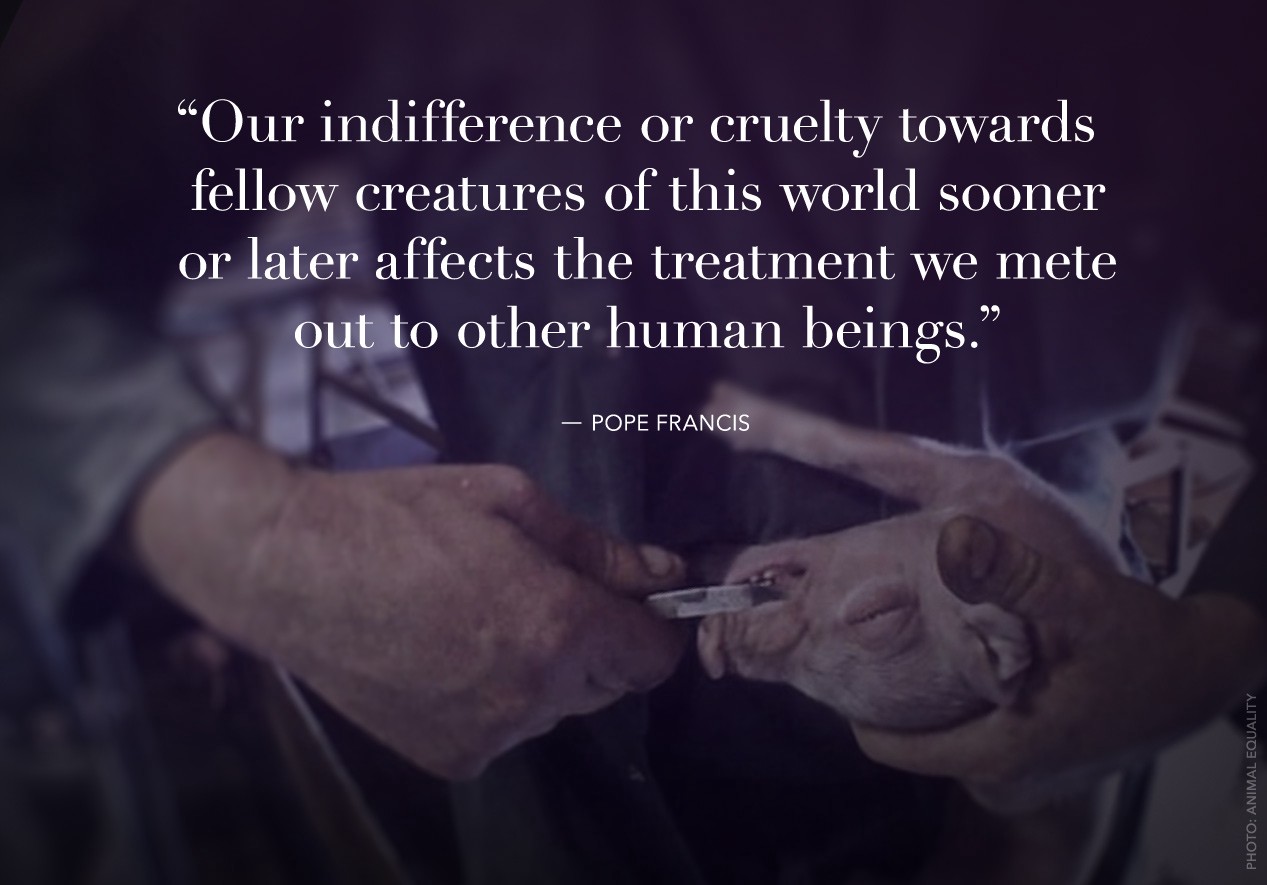
Indifference is the opposite of love.
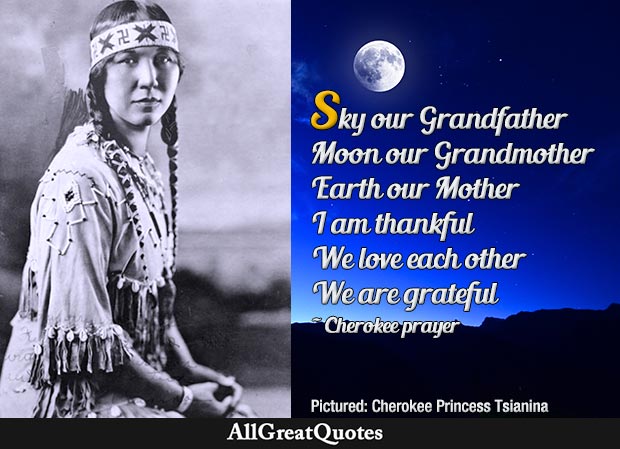
Share words and acts of grattitude and love for Nature.

Ode to Joy~ —

Signs of spring. A jolt of joy! Blossoms cheer, weary hearts. Ode to Joy, hope and faith. Cheers to you and Happy Spring~

Ode to Joy~ —

I am back. I took a sabbatical of sorts from the blog, as I only checked in on comments and to follow up through the reader. It has been a busy time supervising student teachers, attending online events, presenting at online events, writing, getting published, and life in general. I am unsure how active I will be. I hope to be posting 2-3 times a week and maybe write some new poetry.

I return with a share from Cindy who takes wonderful pictures of nature close to home in the Holler and further afield. The images remind me we are entering the time of the year where life comes alive after its dormant period, Yes, things do remain in a state of flux with weather. Despite the uncertainty, it is a time to rejoice and search out the joy and beauty located wherever we look in nature.

Cindy shared a video of musicians playing Beethoven’s 9th Symphony as a virtual ensemble. Artists of all forms find ways to lead us in the most challenging times and COVID-19 is no exception. I am grateful we have wonderful artists who take the lead in meaningful ways.

It has been hard this past year for each of us with less social interaction. An emerging area of interest for me is the role virtual communities can and will play in our lives moving forward. It is what I presesnted on this past weekend and am fleshing out an article for submission. People surprised me with their response to what I talked about. I see hope and joy in sharing online. It brings me together, often with people I have not met and likely will never meet.

Common is the root word of community, communicate, and communion. What do we have in common that brings us together, besides our grievances and grief? In short, what gives each of us joy? How do we experience communicating what we receive from others and share with others? How has listening to others changed in this brave new world? Communion goes beyond the religious concept, speaking to a level of intimacy. How do we reveal who we are in a virtual world? Virtual and virtue share etymological roots, speaking to our character in these communities.

I leave you with a video from Mavis Staples. How do we get it together and bring joy into our lives as a collective and community?

Warrior’s Quest

Sometimes, I make sense of the life and the worl in paradox. With questions I can deepen conversations. I serve questions. Father Richard Rohr says  maturity leads us to stop chasing certainty. In this way, I seek eloquent questions without ready answers: and invite others into dialogue.

After I read Chögyam Trungpa‘s Shambhala:The Path of the Sacred Warrior, I realized a warrior combats his/her own self-ignorance, moving towards being a human with a brave mind and ethical impulse. I cannot attain these qualities, but they are always worth questing towards and they do not come without struggle. Shunryu Suzuki and Thomas Merton used the analogy of a meadow to explore how we each can meditate, contemplate, and pray.

Warrior’s quest;

Resting in paradox–

Seemingly incompatible;

Space inviting space,

Forming spacious meadow.

Deepening dialogue;

Lacking pre-formed answers–

Questioning with eloquences;

Remaining open,

Experiencing wonder.

Lightening load;

Being grateful for gifts–

Even suffering,

Serving the journey;

The questing.

Emerging path;

Readying to step–

Understanding it is meant,

Fulfilling its rightness;

Knowing only it is unknown.

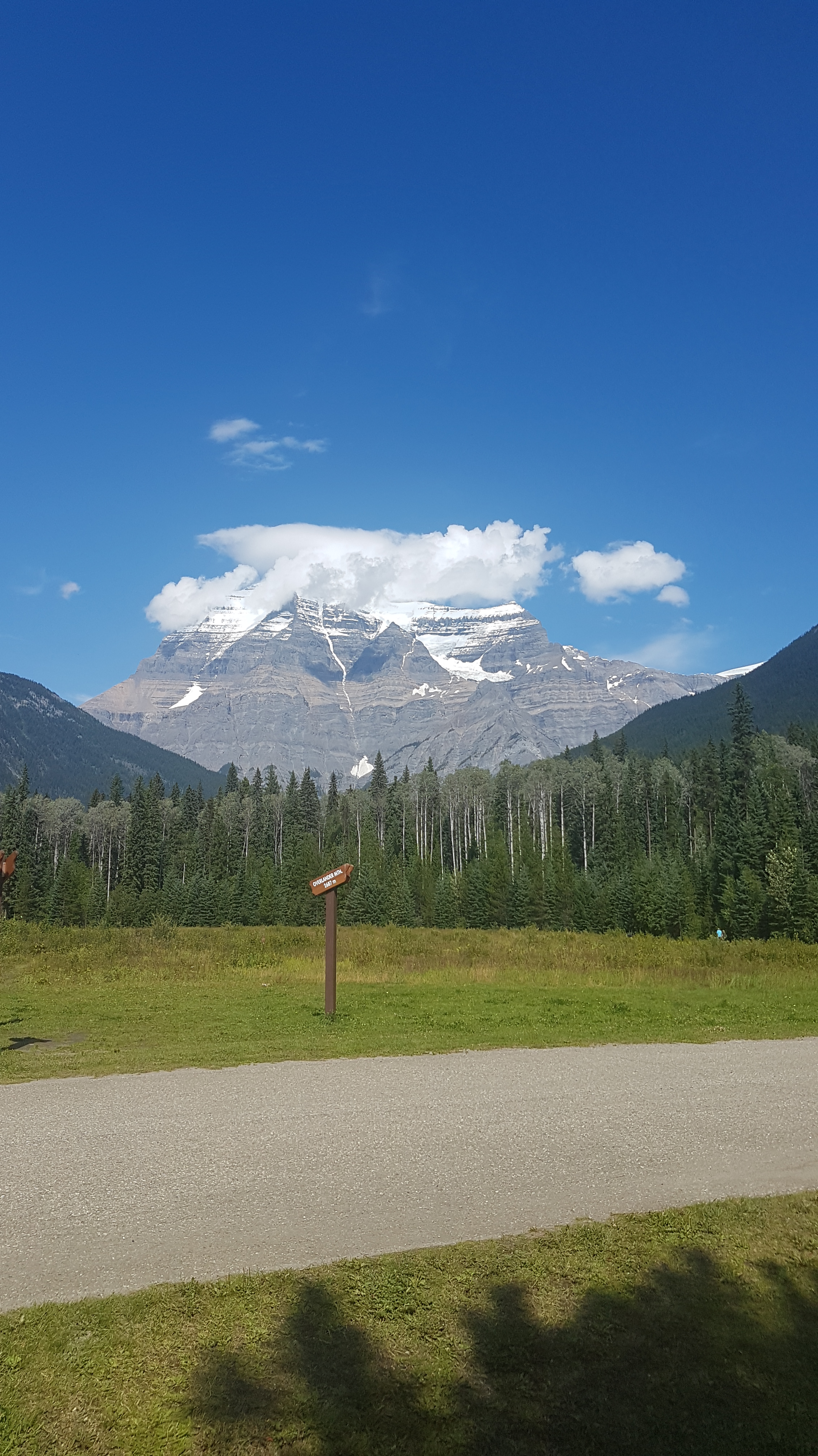
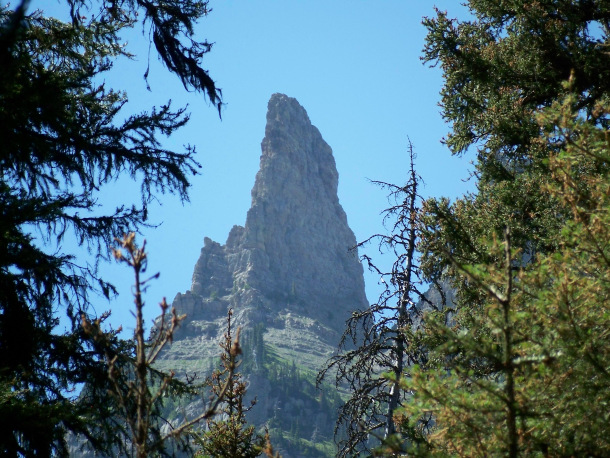
The warrior’s quest is much like standing at the base of a mountain. It is exhilirating and creates a sense of wonder: What is there on that mountain? On the other sides? I took this picture of Mount Robson on one of our many trips to visit family and friends.

Canadian Thanksgiving

It is Canadian Thanksgiving today. Instead of Thanksgiving being a once a year day with underlying commercial interests, it raised questions about being full of thanks for each ensuing moment. What if I were grateful and thankful each day-each moment? This is impossible. What I need to do is hold the thought at the forefront and perhaps it elevates the thankfulness I experience.

We began with a dinner last night with our oldest son and his partner. He headed out to an out-of-town job today. Tonight, we celebrate with our youngest. He worked last night, so was unavailable.

Gratitude and thankfulness–

Turning to beloved;

Embracing one another;

Celebrating what held sacred.

In each moment–

Experiencing the extraordinary;

Revealing itself in the ordinary;

Sensing it is there.

Harvesting bounties–

Sharing common weal;

Valuing de-monetized wealth;

Feeling blessed.

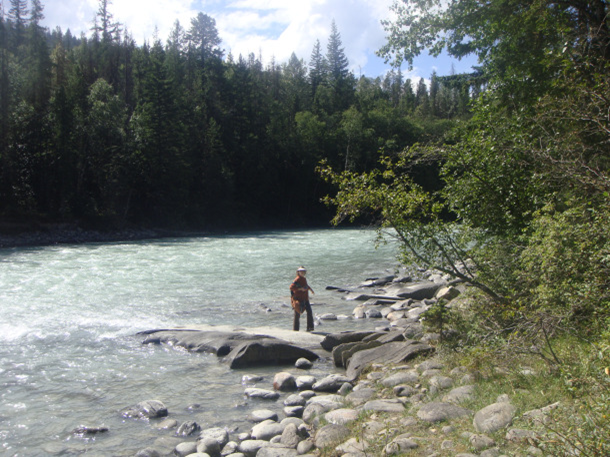
I took this of Kathy standing on a rock above Rearguard Falls on the Fraser River in Mount Robson Provincial Park. I am thankful for the time we spend together and Nature.

Spacious Sanctuary

Wendell Berry wrote a series of poems about Sabbath and taking time to let the spirit mend and heal. Wayne Muller wrote a book called Sabbath and provided a number of Sabbath practices from various traditions. After we read the book, we used practices and wrote reflections about how we each responded to them at a hospitality retreat.

How each find moments of peace and solace in a busy world is personal and reflects who we are as humans. For me, it is time spent walking, reading poetry, and writing. It is challenging as I need to adhere to a routine without being to rigid. What I observe, feel, hear, etc. needs to able to reach me in meaningful ways.

I wrote this poems as I entered a lengthy Sabbath period, taking time away from screens of various types.

Stepping aside–

Easing into spacious spaces;

Sensing stillness–

Unsquaring eyes,

Fidgeting less,

Being.

Resting–

Embracing wakefulness;

Emerging from frenetic hibernation–

Moving yet remaining still–

Enriching spirit,

Rediscovering lightness of being.

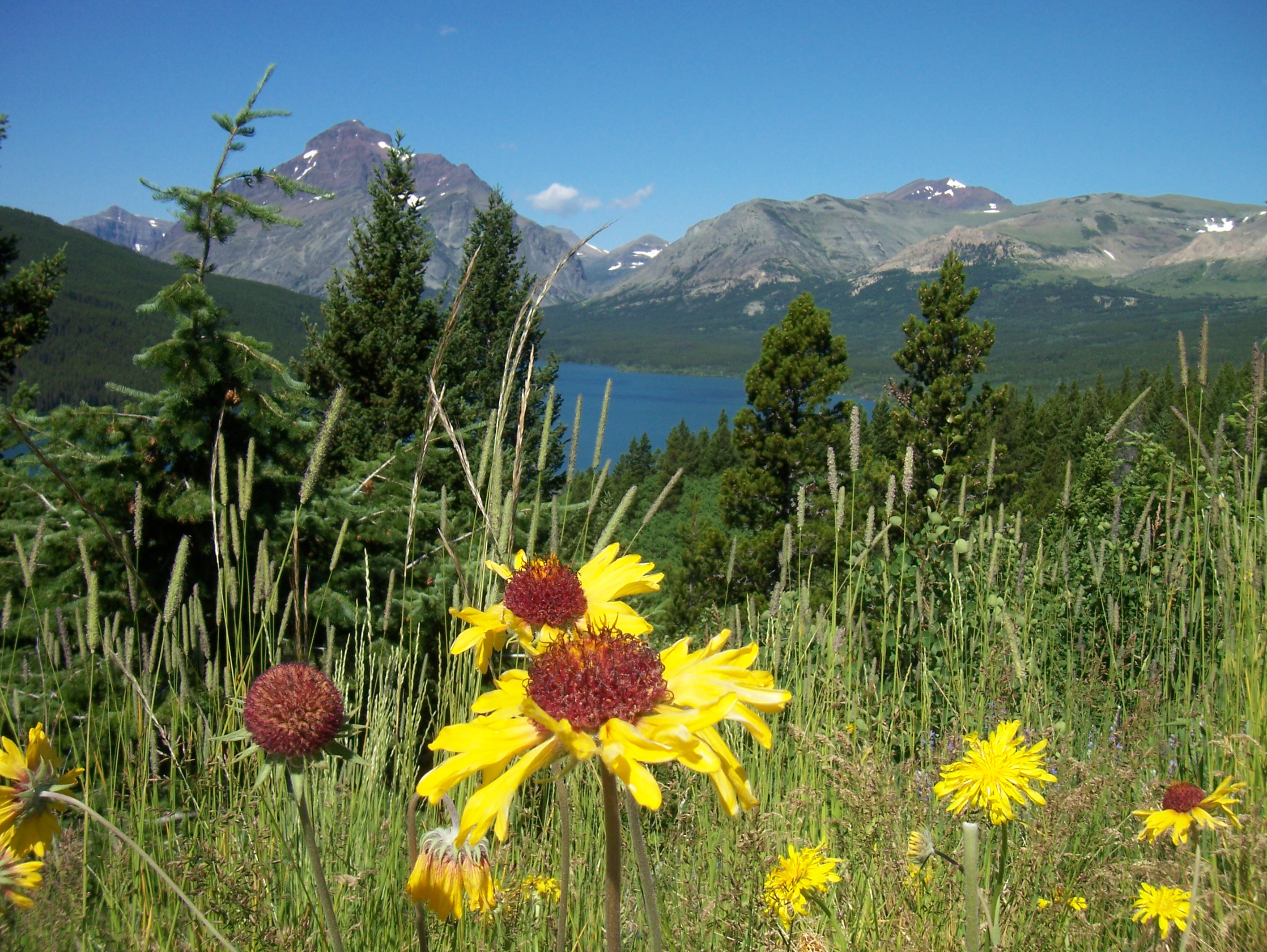
I took this picture on a hike in Glacier National Park. Nature just is. It exists for the sole purpose of existing. Humans need to do this more; just be in a given moment or time.

Sensory Explosion

This is a new poem. I started working with another, which I will post later and this emerged.

What happens is contemplative exercises allow me to become mindful as I move back into my daily life. These activities can be meditation/prayer, time to walk, reading poetry, etc. What I experience moments remains with me.

I embed activities into my daily routine. For example, I try to get out and walk each day. I note what and who I see, hear, smell, and feel. The other day, I observed autumn’s musty smell had arrived, as trees shed their leaves. We have had little rain the last few weeks, but some drizzles may have hastened the smell of decomposing materials.

When we travel, we spend time walking and hiking in and out. I love waterfalls and mountains, so they speak to me and linger with me, forever changing me.

Walking away,

Richness lingering–

Thunder booming,

Spray hovering,

Power reverberating,

Water smelling–

Life-giving.

Hearing, feeling, seeing, sensing–

Walking away,

Lingering,

In my ears,

On my skin,

In spirit,

Re-entering quieter world–

Life-giving.

From the Margins

When I traveled to attend events based on the writings of Parker Palmer, two gifts emerged. First, the settings chosen were beautiful and peaceful, with considerable access to being able to walk. Second, along with the time outside, there was considerable time to reflect in solitude and with those gathered. Part of the reflection, was to listen as one spoke and hear, as if for the first time, what one was/is saying.

I wrote the following poem after time reflecting on my pedagogic practices. I taught in a setting that required me to be present and I was falling short and, as a result, letting students, families, and myself down.

Over time and without realizing it, I had fallen into habits of just doing things the way I had before. I experienced a false sense of security in my teaching. This was something I promised I would not do when I entered teaching.

To teach, I felt I had be on the margins and be awake to each student and their particular needs, listening to what they and their families told me about them. The margins are what surround us. Too often, I wanted to be in the centre of things, where I was comfortable and the centre of things. I don’t learn much there.

sensing false security,

being the centre,

yet, margins surrounding–

paradox of one’s being.

standing out,

revealing blemishes,

making them obvious–

reveling in them.

finding comfort on the margins,

not hiding in the crowd,

reflecting one’s character–

stepping out and away with pride.

composing one’s humanness;

in deep concert with others,

sharing perfect imperfections–

enriching human moments.

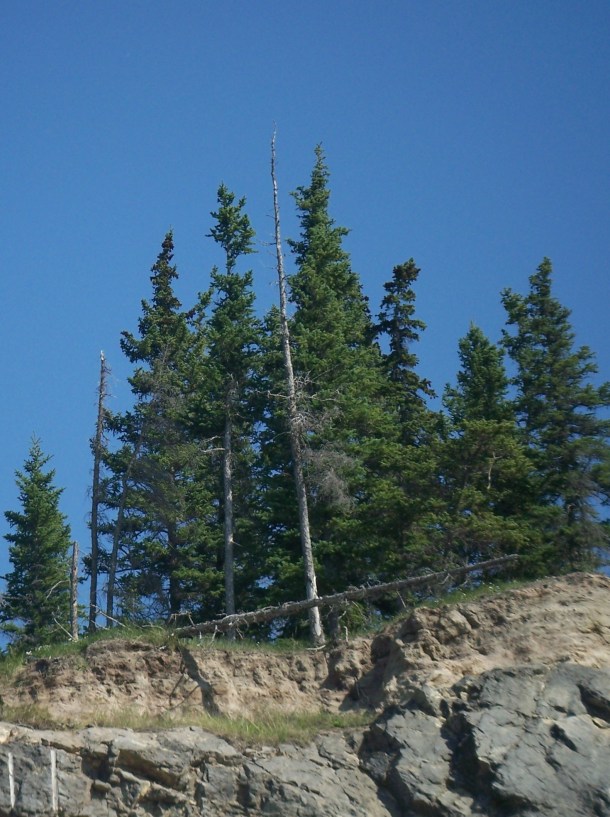
This took some doing to edit the final poem, but here it is. I chose the picture, as it is a reminder that nature does not provide perfection. It provides perfection in imperfect patterns that emerge.

In nature, trees like the ones in the picture find a way to survive. Despite their lack of size, these trees are at least 100 years old and have survived, one might say thrived, living on the margins. They have a wonderful view from a precarious vantage point.